Hướng dẫn học Căn phòng có tầm nhìn - AP Lit, SAT Reading, Close Reading và luyện viết luận
Hướng dẫn thực tế cho AP English Literature, SAT Reading, IB English và bài luận ở trường, với đoạn then chốt, thủ pháp văn học, câu hỏi luyện tập và thesis work.
Tài liệu học này được dịch từ bản gốc tiếng Anh và có thể tiếp tục được chỉnh sửa.
Hướng dẫn này dành cho học sinh cần thảo luận Căn phòng có tầm nhìn bằng bằng chứng văn bản. Nếu muốn xem giải thích cốt truyện đầy đủ trước, hãy bắt đầu với bài viết chính.
Hướng dẫn này dành cho ai
Dùng trang này để đi từ nhớ cốt truyện đến lập luận học thuật: textual evidence -> close reading -> interpretation -> thesis.
- sắp xếp cốt truyện thành các giai đoạn sẵn sàng cho bài thi
- biến bằng chứng văn bản ngắn thành diễn giải
- kết nối thủ pháp văn học với thesis và đoạn văn
- luyện câu hỏi đọc kiểu SAT và đề AP Lit
1. Ôn nhanh
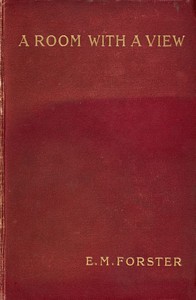
- Original title: A Room with a View
- Author: E. M. Forster
- Published: 1908
- Source: Project Gutenberg eBook #2641
- Genre: comedy of manners, coming-of-age romance
- Core themes: View, Honesty, Class, Travel
- Exam focus: plot structure, character motive, symbolism, diction, irony, and ending interpretation
2. Cấu trúc cốt truyện cho bài thi
1. Opening pressure
Khi học, hãy nắm điểm này: Lucy and Charlotte complain about rooms without views in Florence; the Emersons offer their rooms.
Khi học, hãy nắm điểm này: For exam writing, treat this as a meeting point of motive, pressure, and symbol, not as plot alone.
2. Rupture
Khi học, hãy nắm điểm này: Santa Croce, the public square, a witnessed murder, and George's kiss unsettle Lucy's inner life.
Khi học, hãy nắm điểm này: For exam writing, treat this as a meeting point of motive, pressure, and symbol, not as plot alone.
3. Các đoạn nguyên văn quan trọng để close reading
Những Passage này không chỉ là các câu đáng nhớ. Mỗi đoạn là điểm luyện close reading: người nói, tình huống, diction, syntax, image, tone và theme phải được đọc cùng nhau. Trong AP Lit, SAT Reading, IB English và bài luận ở trường, một trích dẫn ngắn chỉ hữu ích khi bạn giải thích được cách ngôn ngữ của nó thay đổi ý nghĩa của cảnh và toàn bộ tác phẩm.
Hãy đọc mỗi passage theo ba bước. Một là xác định literal situation. Hai là đánh dấu từ hoặc hình ảnh có sức nặng. Ba là biến quan sát đó thành một claim có thể bảo vệ. Mục tiêu là đi từ quotation sang commentary, không dừng ở tóm tắt cốt truyện.
Các mục Context, Close reading và Essay use giữ thuật ngữ tiếng Anh vì đây là ngôn ngữ luyện thi và viết luận. Phần giải thích bằng tiếng Việt giúp người đọc hiểu cách dùng các câu tiếng Anh đó làm evidence.
Passage 1: The promised view fails
She promised us south rooms with a view close together, instead of which here are north rooms, looking into a courtyard, and a long way apart.
Context: Miss Bartlett complains at the Pension Bertolini before the Emersons offer their rooms.
Close reading: The sentence turns lodging into a moral map. South rooms with a view suggests openness, warmth, and expectation; north rooms and courtyard suggest enclosure and disappointment.
Essay use: Use this passage for the title symbol, spatial imagery, and the conflict between openness and social discomfort.
Passage 2: Mr. Emerson breaks pension manners
I have a view, I have a view.
Context: Mr. Emerson interrupts the polite English dinner-table code to offer his room.
Close reading: The repeated plain sentence sounds socially awkward, but its directness cuts through ritualized politeness. Forster makes moral generosity look uncultivated to people who worship manners.
Essay use: Use this passage for class manners, direct speech, and the Emersons as a challenge to English social performance.
Passage 3: Let yourself go
Let yourself go. Pull out from the depths those thoughts that you do not understand, and spread them out in the sunlight and know the meaning of them.
Context: Mr. Emerson urges Lucy to stop hiding from her own thoughts after the shock in Florence.
Close reading: The imperatives pull out and spread turn psychological honesty into physical action. Sunlight links truth to the novel's visual imagery.
Essay use: Use this passage for self-knowledge, repression, and the novel's movement from muddle to clarity.
Passage 4: Muddle as self-deception
You are inclined to get muddled, if I may judge from last night. Let yourself go.
Context: Mr. Emerson names Lucy's confusion directly.
Close reading: Muddled is comic and serious at once. It makes confusion sound ordinary, but also diagnoses the way polite evasion can hide truth.
Essay use: Use this passage for Lucy's inward conflict and the difference between social tact and moral clarity.
Passage 5: Understanding George, understanding Lucy
By understanding George you may learn to understand yourself.
Context: Mr. Emerson connects George's crisis with Lucy's undeclared feelings.
Close reading: The parallel repetition of understanding makes romance an instrument of self-knowledge rather than a mere plot reward.
Essay use: Use this passage for love as recognition, George as mirror, and the ethical function of truth-telling.
Passage 6: Wanting to live
I shall want to live, I say.
Context: After the violence in Florence, Mr. Emerson answers Lucy's anxious questioning about George.
Close reading: The future tense shall want makes life feel chosen but fragile. The sentence is plain, almost awkward, which fits the Emersons' unornamented moral language.
Essay use: Use this passage for vitality, emotional directness, and Forster's contrast between living fully and merely behaving correctly.
Passage 7: The violet terrace
Light and beauty enveloped her. She had fallen on to a little open terrace, which was covered with violets from end to end.
Context: Lucy stumbles into the Italian hillside just before George kisses her.
Close reading: Enveloped makes beauty active, surrounding Lucy before she consciously chooses. The open terrace and violets stage desire as landscape rather than argument.
Essay use: Use this passage for setting, symbolic landscape, awakening, and the way Italy externalizes feeling.
4. Quy trình Close Reading
Close reading trong A Room with a View bắt đầu từ khoảng cách giữa điều Lucy được expected to feel và điều cô actually feels. Các câu của Forster thường biến room, view, guidebook, song hoặc polite conversation thành test of emotional honesty. Một exam paragraph mạnh theo dõi novel đi từ social "muddle" đến clearer seeing như thế nào.
Step 1: Xác định tình huống literal
Gọi tên social pressure. Lucy ở Pension Bertolini, thất vọng vì không có view? Mr. Emerson phá polite codes bằng cách offer rooms? George hành động directly trong khi người khác perform manners? Cecil biến Lucy thành aesthetic object? Literal situation quan trọng vì Forster làm những khó chịu xã hội nhỏ reveal ethical choices lớn.
Step 2: Xác định narrative position
Hỏi narrator đang sympathetic, comic hay gently satirical. Forster thường nhìn confusion của Lucy bằng tenderness nhưng không để evasions của cô thành truth. Với SAT-style questions, tone này quan trọng: novel không chỉ mock manners, và cũng không celebrate impulse without judgment.
Step 3: Đánh dấu charged diction
Đánh dấu các từ như "view," "muddle," "direct," "live," "delicate," "proper" và "passion." Diction của Forster thường nhẹ nhưng mang ethical weight. "Muddle" hài hước, nhưng nó gọi tên thói quen của Lucy mislabeling desire cho đến khi cô không thể act truthfully.
Step 4: Chú ý syntax và tone
Theo dõi cách Forster chuyển giữa comedy và pressure. Polite dialogue có thể vòng quanh điều mọi người từ chối nói; direct speech của Mr. Emerson có thể nghe awkward vì nó bỏ qua social cushioning; moments of feeling của Lucy thường phá vỡ controlled tone. Syntax có thể reveal repression, release hoặc comic evasion.
Step 5: Nối image với abstraction
Hãy để view phát triển. A room with a view bắt đầu như hotel complaint, trở thành sign của openness, rồi quay lại ở ending như một chosen way of seeing. Italy không chỉ là scenery; nó đánh thức experience. England không chỉ là home; nó test xem Lucy có giữ được experience ấy mà không trốn sau convention không.
Step 6: Biến quan sát thành claim
Kết đoạn bằng claim về perception, convention, desire hoặc truthfulness. Tránh "the view symbolizes freedom" nếu đứng một mình. Claim mạnh hơn giải thích Forster làm freedom phụ thuộc vào honest perception như thế nào: Lucy phải học nhìn thấy chính mình, không chỉ Florence.
Worked example: "muddle" như self-deception
- Literal situation: Lucy cố giải thích away những feelings không hợp vai trò Charlotte, Cecil và respectable English society mong đợi.
- Narrative position: narrator đối xử với confusion của cô bằng sympathy nhưng không để evasions thành truth.
- Device: Forster dùng abstraction hài hước "muddle" để gọi tên một ethical condition nghiêm túc.
- Interpretation: từ này làm self-deception nghe bình thường và gần như vô hại, trong khi plot cho thấy misnaming desire có thể làm Lucy, George và Cecil bị tổn thương.
- Claim: By turning Lucy's repression into "muddle," Forster shows that social politeness becomes morally dangerous when it teaches people to call dishonesty delicacy.
Dùng cùng method cho failed view, room offer của Mr. Emerson, Lucy at the piano, kiss in Italy, aesthetic language của Cecil, pond scene và final return to the view. Paragraph tốt nhất cho thấy một comic detail trở thành câu hỏi về how to live.
5. Vì sao Literary Devices quan trọng
Devices của Forster quan trọng vì A Room with a View nói về việc học see honestly. Comedy của novel vận hành qua rooms, windows, guidebooks, songs, awkward conversations và social performances. Với AP Lit, SAT Reading, IB English và school essays, devices giúp bạn giải thích cách Forster biến light romance thành argument về truthfulness và vitality.
Symbolism: room và view
View vừa literal vừa ethical. Scene evidence: Lucy bắt đầu không có promised view ở Florence, nhận view nhờ generosity vụng về của Emersons, và kết thúc bằng cách chọn một đời sống phục hồi vision và honesty. Essay use: lập luận rằng Forster làm "view" nghĩa là perception, openness và courage to live truthfully.
Diction: "muddle" và moral evasion
"Muddle" nghe nhẹ, nhưng nó chẩn đoán self-deception của Lucy. Scene evidence: Lucy liên tục cố rename desire, fear và dishonesty để chúng vừa với social expectations. Essay use: dùng từ này để cho thấy comedy của Forster có ethical force: confusion trở thành chosen avoidance of truth.
Setting: Italy và England
Hai settings tạo hai bài test khác nhau. Scene evidence: Florence mở Lucy với beauty, violence, spontaneity và George; England đưa lại family, class, propriety, Cecil và áp lực deny điều cô đã học. Essay use: phân tích setting để cho thấy awakening chưa complete cho đến khi nó survive return home.
Motif: music như uncensored feeling
Piano playing của Lucy reveal một self tự do hơn lời nói của cô. Scene evidence: music cho cô emotional range và force mà polite speech thường suppress. Essay use: dùng motif để lập luận rằng Forster cho thấy vitality của Lucy trước khi cô có thể name it in social language.
Foil: George và Cecil
George và Cecil hiện thân cho hai cách seeing Lucy. Scene evidence: Cecil aestheticizes her như refined object, còn directness vụng về của George nhận ra living will của cô. Essay use: dùng foil để giải thích vì sao romance cũng ethical: Lucy phải từ chối bị admired as an image.
Irony: polite manners versus real generosity
Forster thường làm "improper" behavior nhân hậu hơn correct manners. Scene evidence: room offer của Mr. Emerson làm pension embarrassed vì quá direct, nhưng nó generous; polish của Cecil có thể emotionally cold. Essay use: bàn cách irony tách ethical goodness khỏi social smoothness.
Imagery: light, depth và violets
Forster biến landscape thành emotional recognition. Scene evidence: Italian scenes nối sunlight, depth và violets với experiences Lucy chưa thể domesticate vào English propriety. Essay use: nối imagery với argument của novel rằng beauty có thể awaken truth trước khi language sẵn sàng.
Comedy and satire: convention under pressure
Comedy của novel phơi ra sự absurd của những rules chặn honest feeling. Scene evidence: chaperonage, guidebook behavior, cultivated taste của Cecil và anxious management của Charlotte thường buồn cười vì chúng disproportionate to life. Essay use: lập luận rằng satire cho phép Forster criticize convention trong khi vẫn giữ sympathy cho người bị mắc kẹt trong đó.
Structure: return to the view
Ending lặp lại opening situation với moral meaning đã đổi. Scene evidence: Lucy và George trở lại room with a view sau khi Lucy đã reject false clarity của Cecil và evasions Charlotte khuyến khích. Essay use: dùng structure để cho thấy ending của Forster không phải escape from reality mà là chosen way of seeing it.
6. Biến phân tích nhân vật thành ngôn ngữ bài luận
Phân tích nhân vật không phải danh sách tính cách. Trong bài luận văn học, nhân vật quan trọng vì mang áp lực: ham muốn, sợ hãi, kỳ vọng xã hội, xung đột đạo đức, tự lừa dối hoặc thay đổi. Bài luận mạnh nối nhân vật, kỹ thuật và theme trong cùng một lập luận.
Trước khi viết, hãy hỏi bốn câu:
- Role: nhân vật giữ chức năng gì trong tác phẩm?
- Pressure: ham muốn, nỗi sợ hoặc quy tắc nào tác động đến nhân vật?
- Device: tác giả trình bày nhân vật bằng kỹ thuật nào?
- Essay sentence: nhân vật này có thể hỗ trợ claim nào?
Lucy functions as a young woman learning to trust her perception, and Forster's contrast between rooms and views reveals how social training can confine desire.
Các thẻ bên dưới giúp biến ghi chú nhân vật thành claim có thể phát triển bằng textual evidence.
Lucy Honeychurch
vision, muddle, and honesty
Lucy trưởng thành khi học rằng phép lịch sự không thể thay thế sự thật; xung đột chính của cô là thói quen gọi ham muốn là bối rối.
Essay sentence: Lucy's growth begins when she stops treating honest desire as a social embarrassment and starts treating it as knowledge.
George Emerson
direct feeling and moral exposure
George vụng về, mãnh liệt và trực tiếp; anh phơi ra đời sống cảm xúc mà ngôn ngữ giai cấp của Lucy cố kiểm soát.
Essay sentence: George matters because his awkward directness exposes how much of Lucy's world depends on elegant evasion.
Cecil Vyse
aesthetic control and emotional coldness
Cecil nhầm thưởng thức thẩm mỹ với tình yêu, biến Lucy thành đối tượng của gu thay vì một ý chí bình đẳng.
Essay sentence: Cecil's refinement fails as love because he prefers a composed image of Lucy to Lucy's living freedom.
Charlotte Bartlett
propriety, fear, and repression
Charlotte muốn bảo vệ Lucy, nhưng nỗi sợ tai tiếng thường biến bảo vệ thành kìm nén.
Essay sentence: Charlotte shows that protection can become repression when social fear is mistaken for moral duty.
7. Thesis Builder
View
Seeing as moral action
Weak: The view is important.
Strong: Forster turns rooms, windows, and landscapes into tests of whether Lucy can exchange inherited convention for honest perception.
Honesty
The real versus the pretended
Weak: Lucy should be honest.
Strong: Lucy's struggle is not love versus duty but the real versus the pretended, as she learns that polite self-denial can become a form of lying.
Class
Manners as concealment
Weak: Class matters in the novel.
Strong: Forster contrasts Cecil's polish with the Emersons' awkward directness to show that refinement can conceal emotional cowardice.
Travel
Experience without guidebook control
Weak: Italy changes Lucy.
Strong: Florence matters because it breaks guidebook-managed experience and exposes Lucy to beauty, violence, desire, and risk.
8. SAT Reading Sample
These SAT-style questions are practice questions, not official College Board material. Each item is based on a real scene or passage pattern from the novel.
Question 1
At the Pension Bertolini, Miss Bartlett complains that she and Lucy were promised rooms with a view but received rooms looking into a courtyard. The main purpose of this detail is to
- A. prove that Lucy dislikes all travel.
- B. establish view as a symbol for openness and confinement.
- C. show that the Emersons own the pension.
- D. argue that Italy is irrelevant to the plot.
Answer: B. Lodging problem biến space thành moral and emotional symbol trước khi romance bắt đầu.
Question 2
When Mr. Emerson says “I have a view, I have a view,” his repetition most strongly suggests
- A. plain generosity that violates polite dinner-table restraint.
- B. hostility toward Lucy and Charlotte.
- C. a secret plan to embarrass George.
- D. a polished mastery of aristocratic manners.
Answer: A. Repetition awkward nhưng generous, reveal Emersons as morally direct and socially disruptive.
Question 3
In the passage “Pull out from the depths those thoughts... and spread them out in the sunlight,” the imagery mainly connects truth with
- A. tourist routine.
- B. religious punishment.
- C. financial security.
- D. exposure, clarity, and self-knowledge.
Answer: D. Depth và sunlight làm inner honesty visible, khớp larger view motif của novel.
Question 4
The word “muddled” in Mr. Emerson’s description of Lucy most nearly means
- A. physically exhausted.
- B. artistically gifted.
- C. confused in a way that hides truth from herself.
- D. socially famous.
Answer: C. Word này comic, nhưng diagnose evasive self-deception của Lucy.
Question 5
The Piazza Signoria violence unsettles Lucy because it
- A. proves Charlotte is always calm.
- B. confirms that guidebooks explain every experience.
- C. breaks tourist detachment and forces direct contact with life and death.
- D. makes Cecil more emotionally open.
Answer: C. Florence ngừng là managed tour và trở thành immediate experience.
Question 6
George’s kiss on the violet-covered terrace functions structurally as
- A. a final comic epilogue.
- B. a sudden eruption of feeling staged by landscape.
- C. proof that Lucy has no inner conflict.
- D. a scene unrelated to Italy.
Answer: B. Setting externalizes desire trước khi Lucy có thể explain it in social language.
Question 7
Charlotte’s intervention after the kiss primarily shows that protection can
- A. free Lucy from all convention.
- B. make George more socially powerful.
- C. destroy every comic element in the novel.
- D. become control when governed by fear of scandal.
Answer: D. Charlotte cares, nhưng care của cô bị shaped by reputation và repression.
Question 8
Cecil’s way of admiring Lucy as if she were art suggests that he
- A. turns beauty into possession rather than relationship.
- B. understands her better than anyone.
- C. has no class position.
- D. rejects all refinement.
Answer: A. Cecil aestheticizes Lucy, làm refinement emotionally cold.
Question 9
Lucy’s piano playing is significant because it
- A. expresses vitality and feeling before she can speak them honestly.
- B. shows she has no conflict about Cecil.
- C. is used only for comic background.
- D. makes George dislike her.
Answer: A. Music cho Lucy một language tự do hơn polite conversation.
Question 10
The Sacred Lake bathing scene helps the novel by
- A. ending George’s role in the plot.
- B. making Cecil the center of male friendship.
- C. using comedy and bodily freedom to puncture rigid social performance.
- D. removing Freddy from the story.
Answer: C. Scene contrast spontaneous life với stiff codes Lucy đang obey.
Question 11
Miss Bartlett’s propriety is best understood as
- A. pure cruelty without concern.
- B. a social code that can protect reputation while obscuring truth.
- C. complete freedom from class rules.
- D. evidence that Lucy never changes.
Answer: B. Charlotte không phải flat villain; fear làm care của cô controlling.
Question 12
Freddy’s friendship with George matters because it
- A. proves George is secretly rich.
- B. shows Freddy rejects his sister entirely.
- C. makes Cecil more spontaneous.
- D. allows informal affection to weaken class stiffness.
Answer: D. Freddy respond to vitality của George without filters được Cecil và Charlotte dùng.
Question 13
Lucy’s repeated denials of her feeling reveal that
- A. Cecil has no influence on her.
- B. she has never met George.
- C. Italy has no lasting effect.
- D. self-deception, not lack of feeling, is her central obstacle.
Answer: D. Problem của Lucy không phải emptiness mà là social habit of misnaming desire.
Question 14
The contrast between Italy and England mainly stages
- A. vital openness against inherited restraint.
- B. two identical social worlds.
- C. tourism against poverty only.
- D. George’s rejection of all beauty.
Answer: A. Italy awakens feeling; England test whether Lucy can keep that vision.
Question 15
The ending’s return to Florence suggests that closure depends on
- A. forgetting the earlier view.
- B. marrying Cecil after all.
- C. choosing lived vision over convention.
- D. Charlotte losing all importance.
Answer: C. Ending trở lại view như chosen way of seeing and living.
Question 16
Baedeker guidebook culture is criticized because it
- A. makes travelers too emotionally open.
- B. turns experience into preapproved interpretation.
- C. encourages George to lie.
- D. has no relation to English manners.
Answer: B. Guidebook đại diện safe knowledge có thể prevent real encounter.
Question 17
Mr. Emerson’s plain speech can look “ill-bred” because
- A. he imitates Cecil’s refinement.
- B. he refuses to tell the truth.
- C. moral clarity often violates status-conscious manners.
- D. Lucy dislikes every direct person.
Answer: C. Forster tách ethical directness khỏi conventional polish.
Question 18
A passage about Cecil and Lucy would best support the inference that
- A. Cecil wants Lucy to become more independent than he is.
- B. George values convention above truth.
- C. Lucy has no artistic sensibility.
- D. refined admiration can erase the person it claims to praise.
Answer: D. Cecil admire một image of Lucy nhiều hơn living will của cô.
Question 19
Forster’s comic tone affects social criticism by
- A. keeping the critique light in surface but serious in meaning.
- B. turning all characters into villains.
- C. making the critique disappear.
- D. proving manners are always harmless.
Answer: A. Comedy cho Forster expose convention mà không mất human sympathy.
Question 20
Repeated images of views and windows most strongly support the claim that
- A. travel should be avoided.
- B. seeing clearly becomes a moral act.
- C. George controls Lucy’s thoughts.
- D. rooms are only practical objects.
Answer: B. Novel biến literal view thành ethical perception.
9. AP Lit Essay Questions
Use these prompts to practice scene analysis, character change, symbol, narrative structure, irony, and ending interpretation.
Essay Question 1
Analyze the opening room dispute as symbolic structure. How do view, courtyard, north, south, and distance introduce the novel’s conflict between openness and enclosure?
Essay Question 2
Discuss Mr. Emerson’s first interruption at the pension. How does Forster make social awkwardness reveal generosity more clearly than polished manners?
Essay Question 3
How does the Piazza Signoria episode change Lucy’s relation to travel? Explain how violence breaks the safety of guidebook observation.
Essay Question 4
Analyze the violet terrace scene as landscape symbolism. How do light, flowers, falling, and the kiss make repressed desire visible?
Essay Question 5
Write about Charlotte Bartlett as both protector and obstacle. How does fear of scandal turn care into control?
Essay Question 6
Compare George Emerson and Cecil Vyse as rival models of masculinity. Focus on direct feeling, aesthetic possession, class, and speech.
Essay Question 7
Discuss Lucy’s music as a language of the self. How does piano playing express desires that social conversation represses?
Essay Question 8
Analyze the contrast between Italy and England. How does setting stage vitality against restraint without making either place simplistic?
Essay Question 9
How does Forster use comedy, especially the Sacred Lake bathing scene, to challenge rigid social performance?
Essay Question 10
Discuss Cecil’s treatment of Lucy as art. How does refined taste become a form of possession?
Essay Question 11
Analyze the motif of muddle. How does confusion allow Lucy to avoid truth, and how is that muddle finally challenged?
Essay Question 12
How does Freddy’s friendship with George alter the social field around Lucy? Explain the role of informal affection and class crossing.
Essay Question 13
Write about Mr. Emerson as a truth-teller. How does his plain speech pressure Lucy’s evasions without becoming conventional authority?
Essay Question 14
Examine Baedeker and guidebook culture as symbols. How does Forster criticize experiences that arrive preinterpreted?
Essay Question 15
Analyze the ending in Florence. Does the return to the view resolve the novel or leave costs visible? Defend a nuanced interpretation.
Essay Question 16
Discuss how Forster uses windows, views, rooms, and open spaces to turn perception into a moral problem.
Essay Question 17
Compare Lucy’s lies to Cecil, Mr. Beebe, Mrs. Honeychurch, and Mr. Emerson. What changes as the lies become harder to maintain?
Essay Question 18
How does the novel distinguish love from social rebellion? Use Lucy’s choice to show why the conflict is between the real and the pretended.
Essay Question 19
Analyze Forster’s narrative irony. How does the narrator expose convention while still treating flawed characters with comic sympathy?
Essay Question 20
Write a thesis-driven essay about self-knowledge in A Room with a View. Use George, Mr. Emerson, Cecil, and Charlotte as pressures on Lucy’s vision.
10. Model Thesis Bank
Each thesis is specific enough to become the first sentence of a literary essay.
- Forster makes the failed room with a view a compact symbol of Lucy’s enclosure, linking physical space to emotional and ethical possibility.
- Mr. Emerson’s awkward offer of his room shows that the novel values direct generosity over the polished manners that often disguise selfishness.
- The Piazza Signoria episode breaks Lucy’s tourist distance, forcing her to encounter life, violence, and feeling without guidebook protection.
- The violet terrace scene turns landscape into revelation, making Lucy’s repressed desire visible through light, flowers, and bodily disorientation.
- Charlotte Bartlett dramatizes the ambiguity of protection, since her care for Lucy is inseparable from fear, propriety, and control.
- Cecil Vyse’s refinement becomes emotionally cold because he admires Lucy as an aesthetic object rather than meeting her as an equal person.
- George Emerson matters less as a romantic ideal than as a force of direct feeling that exposes Lucy’s habit of evasion.
- Lucy’s music reveals an inner vitality that her social language cannot yet confess, making art a rehearsal for truth.
- Italy and England operate as contrasting settings: Italy awakens Lucy’s vision, while England tests whether that vision can survive convention.
- The Sacred Lake scene uses comic bodily freedom to puncture class stiffness and reveal a social world less controlled by performance.
- The motif of muddle names Lucy’s self-deception, showing that confusion can be a chosen refuge from unwanted truth.
- Freddy’s easy friendship with George weakens class boundaries and gives Lucy a model of affection unburdened by aesthetic control.
- Baedeker symbolizes preapproved experience, the kind of safe interpretation that Forster opposes to lived encounter.
- Mr. Emerson’s plain speech functions as moral pressure because it names what polite language keeps hidden.
- The ending’s return to Florence is not escape but chosen vision, a decision to live by the truth the first journey revealed.
- Forster’s comedy makes social critique humane, exposing convention while allowing characters to remain foolish, fearful, and changeable.
- Lucy’s lies grow heavier because each one protects a false self that becomes harder to inhabit.
- The novel’s central conflict is not love versus duty but the real versus the pretended, as Lucy mistakes social obedience for moral clarity.
- Windows and views recur because Forster treats perception as ethical: to see clearly is also to choose honestly.
- In A Room with a View, self-knowledge emerges when Lucy stops treating feeling as a scandal and begins treating honesty as a form of life.
11. Từ vựng học thuật cho bài essay
- view: literal sight used as moral perception
- muddle: confusion that protects self-deception
- propriety: social correctness that may protect or repress
- aestheticism: treating people or life as art objects
- irony: a gap between social surface and emotional truth
- setting contrast: using place to stage competing values
- motif: a repeated image, word, or situation
- social performance: behavior shaped for public approval
- moral agency: the ability to choose truth and bear its cost
- convention: inherited rule or expectation governing behavior