The Count of Monte Cristo - Revenge, Power, and the Limits of Judgment
Dumas turns wrongful imprisonment, treasure, disguise, and revenge into a test of what justice can become.
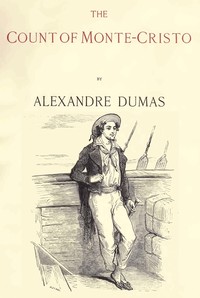
Sua's Quick Take
The Count of Monte Cristo begins as one of literature's most satisfying revenge fantasies, then slowly asks whether any human being can safely act as absolute judge.
Edmond Dantes is wronged terribly. That matters. But once he becomes the Count of Monte Cristo, he is no longer only a victim. He becomes a planner, performer, creditor, punisher, and almost godlike manipulator. Dumas makes revenge thrilling, then makes its moral cost impossible to ignore.
What the Book Is Really About
Alexandre Dumas's The Count of Monte Cristo was serialized beginning in 1844. It follows Edmond Dantes, a young sailor from Marseille who is falsely accused, imprisoned in the Chateau d'If, educated by Abbe Faria, given the secret of a treasure, and reborn as the Count of Monte Cristo.
The long novel can be read in five major movements: Dantes's happiness and betrayal; imprisonment and education; escape and treasure; revenge in Parisian society; and the final recognition that revenge cannot restore the lost past without moral danger.
The novel has adventure, hidden treasure, disguises, prisons, duels, salons, political secrets, and melodramatic reversals. But its deeper question is ethical: when justice has failed completely, what happens when the victim gains enough power to become judge, jury, and executioner?
Plot Summary
1. Marseille, betrayal, and the collapse of happiness
Edmond Dantes returns to Marseille as a promising young sailor. He is about to become captain, marry Mercedes, and care for his father. His happiness is ordinary and concrete: work, love, family, and future.
That happiness provokes envy. Danglars resents Edmond's promotion. Fernand desires Mercedes. Caderousse is weak enough to watch the plot unfold. Together, through jealousy and cowardice, they create an accusation that links Edmond to dangerous Bonapartist politics.
Villefort, the prosecutor, sees that Edmond is not truly guilty. But the letter Edmond carries could implicate Villefort's own father. To protect his career and political safety, Villefort sacrifices Edmond. The legal system becomes an instrument of private self-preservation.
Edmond is arrested before his wedding and sent to the Chateau d'If without real trial or explanation. The cruelty is bureaucratic as much as personal. A life disappears into paperwork, political fear, and silence.
Mercedes and Edmond's father are left with a loss that cannot be understood. Edmond has not died, betrayed them, or chosen absence. He has been erased. That erasure is what makes the later revenge so powerful: his enemies did not merely injure him; they removed him from the world while continuing their own lives.
The young Edmond is not stupid. He is innocent in the sense that he does not yet understand how envy, ambition, and political self-protection can destroy an ordinary future. The prison will educate him brutally. Before Faria teaches him languages and history, suffering teaches him that the world is not morally transparent.
2. The Chateau d'If and Abbe Faria
Prison destroys Edmond's first self. He begins with confusion, appeals, and despair. In the Chateau d'If, the young sailor who trusted the world is slowly stripped away. The prison is a place of death, but not only physical death. It kills Edmond's earlier innocence.
Then he meets Abbe Faria, a fellow prisoner who has dug through the walls while attempting escape. Faria becomes teacher, analyst, and father figure. He educates Edmond in languages, history, science, politics, and strategy.
Faria also reconstructs the betrayal. By reasoning through the events, he shows Edmond who profited from his fall. Vague suffering becomes named injury. Once Edmond knows the betrayers, grief hardens into revenge.
Faria gives Edmond the secret of a treasure hidden on Monte Cristo. This secret changes everything. Knowledge and money together will allow Edmond to reenter the world with nearly unlimited power. The question is what that power will do to him.
Faria's relationship with Edmond is one of the novel's emotional centers. In prison, where the state has tried to make Edmond socially dead, another human being gives him language, memory, analysis, and purpose. Faria becomes teacher and substitute father. Edmond becomes the student in whom Faria's unfinished life can continue.
Yet Faria's gift is dangerous because knowledge gives pain a target. Before Faria's analysis, Edmond suffers without understanding. After it, he has names: Danglars, Fernand, Villefort, Caderousse. To know the cause of suffering can be healing, but in Edmond it also becomes the birth of a revenge design.

3. Escape, treasure, and rebirth under a new name
After Faria dies, Edmond escapes by taking the dead man's place in the burial sack. He is thrown into the sea and survives. Symbolically, Edmond Dantes dies in prison and a new being emerges from water.
He eventually reaches Monte Cristo and discovers the treasure. The treasure gives him more than wealth. It gives him mobility, secrecy, influence, and the ability to stage reality for others. The poor sailor becomes someone who can move through Europe as if fate itself were following him.
Edmond does not become the Count immediately as a simple social promotion. He adopts multiple identities and learns to manipulate appearances. The Count of Monte Cristo is a performance built from wealth, knowledge, pain, and patience.
Before revenge, he repays goodness. His rescue of the Morrel family matters because it shows that he still distinguishes loyalty from betrayal. Yet even this ability to reward and punish prepares the danger: Edmond begins to believe he can assign deserts perfectly.
The Morrel episode is one of the novel's most moving uses of the treasure. Edmond saves a good family from ruin while remaining hidden. Wealth becomes restorative rather than destructive. Readers are invited to admire his power because it protects gratitude and loyalty.
But that admiration is part of the novel's trap. If Edmond can reward the good so beautifully, perhaps he can punish the wicked just as perfectly. Dumas lets readers accept that fantasy before slowly exposing its limits. The Count's power is intoxicating because it seems morally exact.

4. The Count enters Paris
Years later, the Count of Monte Cristo enters Parisian society as a mysterious, immensely wealthy nobleman. He fascinates everyone because he seems to know more than he says and to possess resources beyond ordinary explanation.
His enemies have prospered. Danglars is a banker. Fernand has become a titled military figure. Villefort is powerful in the legal world. Their success is not proof of innocence; it is proof that buried crimes can support respectable lives.
The Count does not attack directly. He studies each enemy's weakness. Danglars is vulnerable through greed and credit. Fernand is vulnerable through the exposure of past betrayal. Villefort is vulnerable through buried family crimes and legal hypocrisy.
The revenge plot is thrilling because the Count seems almost omniscient. He arranges meetings, reveals secrets, and lets people destroy themselves through their own desires. But the more godlike he appears, the more dangerous the moral question becomes.
In Paris, the Count behaves like a stage director. He does not simply accuse his enemies; he creates situations in which their old sins reappear as present consequences. His mystery, wealth, foreign aura, and emotional control make others project power onto him.
Each revenge fits the offender. Danglars, who values money above loyalty, is attacked through finance and credit. Fernand, who built honor on betrayal, is destroyed by public disgrace. Villefort, who buried Edmond to protect a legal career, is undone by hidden family crimes. This poetic structure makes the revenge satisfying, but it also encourages the Count's dangerous belief in his own perfect judgment.

5. Mercedes and the return of the past
Mercedes is the most painful figure in the revenge plot. She loved Edmond, but after his disappearance she married Fernand. The Count cannot read her simply as a traitor. She did not know the truth. She lived after Edmond was erased.
Mercedes recognizes the Count. Their encounters reveal the wound beneath his performance. Around others, the Count can appear as destiny. Before Mercedes, he is again the man who lost a life.
Fernand's disgrace partly satisfies revenge because he did betray Edmond and commit later crimes. Yet the punishment reaches Mercedes and Albert as well. This is where revenge becomes ethically complicated. The guilty rarely suffer alone.
Mercedes forces the Count to see that justice applied through revenge can injure the innocent. She does not deny his suffering. She makes him confront the human cost of acting like providence.
Albert's challenge intensifies that problem. The Count intended to punish Fernand, but Fernand's son is drawn into the consequences. Albert does not fully understand his father's guilt; he acts within the code of honor he has inherited. Revenge begins with the guilty but spreads through families.
Mercedes' plea breaks the Count's certainty because she speaks from love and loss rather than self-defense. She knows Edmond's suffering, but she also knows that killing Albert would make revenge morally monstrous. Before her, the Count cannot remain only the cold instrument of justice.
6. The success and danger of revenge
Danglars falls through greed. Fernand loses honor through exposure. Villefort's house collapses under the weight of secrets, poison, and buried guilt. On the surface, the Count's revenge succeeds.
But Villefort's tragedy shakes the Count because innocent suffering enters the design. The Count has punished the guilty, but the consequences exceed his control. Revenge spreads beyond its target.
This is the ethical center of the novel. Dumas lets readers desire revenge, then makes them ask whether any human being can manage its consequences. Punishment may be deserved; the problem is the punisher's claim to total judgment.
The Count begins to understand that power has made him dangerous. He has money, knowledge, patience, and theatrical skill, but he cannot fully control the moral radius of his actions.
Villefort's collapse is especially important. Villefort once used the law to erase Edmond, and now his own household becomes a scene of poison, secrecy, and horror. The punishment feels fitting until innocent suffering enters the design. At that point the Count has to face the difference between exposing guilt and governing consequences.
This recognition prevents the novel from remaining a simple fantasy of payback. Dumas gives revenge its full imaginative pleasure, then shows that pleasure curdling into fear. The Count's plans are brilliant, but brilliance is not the same as moral omniscience.
7. Maximilien, Valentine, and the turn toward mercy
Maximilien Morrel and Valentine represent another future. Their love gives the Count an opportunity to preserve life rather than destroy it. The Morrel connection also recalls the gratitude and loyalty Edmond has not entirely lost.
By saving Valentine and guiding Maximilien through despair, the Count begins to act differently. He still stages events, but the purpose shifts from punishment to restoration. This movement is essential to the ending.
Maximilien's suffering mirrors Edmond's earlier despair. The Count sees what it means to believe all happiness is lost. Instead of using that pain as a weapon, he helps transform it into hope.
Valentine's rescue allows the Count to use secrecy differently. Earlier, secrecy enabled revenge. Here, secrecy protects life until the right moment of revelation. The same skills that made him terrifying can also preserve a future.
The demand that Maximilien wait is difficult, even cruel on the surface. But it revises Edmond's own history of waiting. Prison taught Edmond to wait for revenge; the ending teaches Maximilien to wait for hope. That reversal is essential to the novel's final wisdom.
8. Ending and final meaningThis section contains spoilers.
The Count realizes that he cannot perfectly occupy the place of divine justice. His revenge exposed real crimes, but it also risked innocent lives and reopened wounds that could not simply be repaired.
Mercedes and Edmond cannot return to the past. The young sailor and his first love are gone. Revenge punishes betrayers, but it does not restore the life stolen from Edmond.
The Count leaves Maximilien and Valentine a future. His final lesson centers on waiting and hoping. That lesson is not naive optimism. It is humility after the failure of total control.
The Count does not return to the young Edmond who was taken from Marseille. That life is gone. Nor does he simply remain the untouchable avenger. He leaves with the knowledge that power cannot restore lost time and that justice without mercy can become another form of violence.
His departure with Haydee matters because the future is not a restoration of the past. Mercedes cannot be recovered, the wedding day cannot be replayed, and the dead cannot be raised. What remains is a different life shaped by memory, restraint, and the refusal to turn despair into the final word.
That is why the ending feels larger than revenge completed. Edmond has punished betrayal, but he has also learned that punishment alone cannot make a life whole. The final wisdom is smaller, harder, and more human: endure time, accept limits, and keep hope alive without pretending to be providence.
Major Characters
Edmond Dantes / The Count of Monte Cristo
wronged sailor turned almost godlike avenger
Edmond begins as trusting, capable, and innocent. Betrayal and imprisonment destroy that innocence. Through Faria's education and the treasure, he becomes the Count, a figure of wealth, secrecy, and calculated revenge.
His arc is not simply victim to victor. It is victim to judge, and then judge forced to recognize limits. His final growth lies in learning that justice cannot be safely reduced to personal revenge.
Abbe Faria
teacher, analyst, and agent of rebirth
Faria gives Edmond education, interpretation, and the secret of the treasure. He turns prison into a place of intellectual formation.
His gift is double-edged. Knowledge frees Edmond, but it also equips revenge. Faria makes Edmond's rebirth possible, though not morally simple.
Mercedes
the face of the past the Count cannot erase
Mercedes loved Edmond, then lived on after he disappeared. She complicates the Count's revenge because she is tied to Fernand yet cannot be reduced to Fernand's guilt.
She recognizes Edmond beneath the Count's performance and forces him to feel the human cost of his designs.
Danglars, Fernand, and Villefort
betrayers shaped by greed, jealousy, and ambition
Danglars acts from envy and greed, Fernand from jealousy, and Villefort from careerist self-protection. Each turns Edmond into a sacrifice for personal advancement.
Their later success makes the revenge plot powerful. The Count exposes crimes hidden beneath wealth, title, and legal authority.
Maximilien Morrel and Valentine
love and future after revenge
Maximilien and Valentine give the Count a reason to protect rather than punish. Their story keeps the novel from ending in pure destruction.
Through them, the Count learns that preserving hope may matter more than completing revenge.
Best Quotes
Wait and hope.
This final idea gathers the novel's hard-earned wisdom. After all the planning and punishment, the Count points not to control but to endurance and hope.
Live, then, and be happy, beloved children of my heart, and never forget that until the day when God shall deign to reveal the future to man, all human wisdom is summed up in these two words,—'Wait and hope.'
The sentence frames the ending as a reduction of vast experience into a simple lesson. The Count has learned through wealth, suffering, revenge, and loss, but the final wisdom asks for endurance rather than mastery.
I am Edmond Dantes.
The name matters because the Count's disguises cannot erase the man who was wronged. Revenge may create new identities, but it begins from a wounded self.
Major Themes
Revenge
Revenge and justice
The novel makes revenge emotionally satisfying and morally dangerous. The Count punishes real crimes, but his authority is never harmless.
Identity
Names and rebirth
Edmond survives by becoming other people. New names give power, but they cannot fully heal the original wound.
Power
Wealth, knowledge, and control
Treasure gives the Count near-total social power. The novel asks whether any human being can use that power without overreaching.
Mercy
Mercy and hope
The ending turns away from revenge as total answer. Waiting, hoping, and preserving life become the harder wisdom.
Alexandre Dumas and the Historical Context
Dumas writes within a world of post-Napoleonic politics, shifting fortunes, aristocratic performance, and serialized fiction. Edmond's fall depends on political suspicion as much as personal envy. Villefort's decision is tied to career survival in a dangerous political climate.
The serial form helps explain the novel's scale: disguises, reversals, delayed revelations, and interlocking subplots keep readers moving. But the length also deepens the moral arc. Revenge takes years, and that duration changes the avenger.
Dumas makes readers enjoy the Count's brilliance, then gradually complicates that enjoyment. The result is an adventure novel that also becomes a study of power and moral restraint.
Why It Still Matters
The novel remains compelling because wrongful loss and revenge fantasies are still powerful. Readers understand the desire to see hidden crimes exposed and successful betrayers brought down.
But The Count of Monte Cristo also warns that revenge can become self-deifying. The more justified the anger, the easier it is for the avenger to believe every consequence is deserved. Dumas refuses that simplification.
For AP Lit, SAT Reading, IB English, and essays, focus on the Count's changing relation to power: prisoner, student, treasure-holder, performer, judge, and finally someone forced to accept limits.
Frequently Asked Questions
What is The Count of Monte Cristo about?
It is about Edmond Dantes, a young sailor falsely imprisoned through betrayal, who escapes, finds a treasure, returns as the Count of Monte Cristo, and takes revenge on those who destroyed his life.
Is it only a revenge story?
No. It is a revenge story, but it also questions revenge. The Count's enemies are guilty, yet his revenge creates consequences that reach beyond them.
Why is Abbe Faria important?
Faria educates Edmond, reveals the betrayal, and gives him the secret of the treasure. He makes Edmond's rebirth possible.
What does the ending mean?
The ending suggests that revenge cannot restore the past or complete justice. The Count's final wisdom turns toward endurance, humility, and hope.
Read Next
- Les Misérables: law, mercy, redemption, and French society on a vast scale.
- The Three Musketeers: Dumas's adventure plotting in a faster swashbuckling mode.
- Crime and Punishment: guilt, punishment, confession, and moral responsibility from the inside.
Adaptations
- 2002 film: emphasizes speed, romance, and revenge spectacle.
- French television miniseries: better suited to the novel's large cast and long revenge design.
- Stage adaptations: often compress prison, treasure, disguise, and revenge into symbolic set pieces.