基督山伯爵学习指南 - AP Lit、SAT Reading、精读与论文练习
面向 AP English Literature、SAT Reading、IB English 和学校论文的实用指南,包含关键段落、文学技法、练习题和 thesis 训练。
本学习指南根据英文原文翻译,并可能会继续修订。
本学习指南面向需要用文本证据讨论基督山伯爵的学生。如果想先读完整情节解释,请从主文开始。
本指南适合谁
用这一页把情节记忆转化为学术论证:textual evidence -> close reading -> interpretation -> thesis。
- 把情节整理成考试可用的阶段
- 把简短文本证据转化为解释
- 把文学技法连接到 thesis 与段落
- 练习 SAT-style questions 和 AP Lit prompts
1. Quick Review
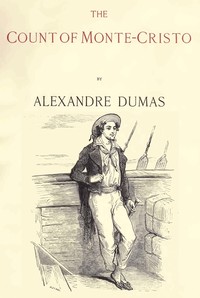
- Original title: The Count of Monte Cristo
- Author: Alexandre Dumas
- Published: 1844
- Source: Project Gutenberg eBook #1184
- Genre: historical adventure novel, revenge narrative
- Core themes: Revenge, Providence, Identity, Time
- Exam focus: plot structure, character motive, symbolism, diction, irony, and ending interpretation
One-sentence summary:
Edmond Dantes is falsely imprisoned, remakes himself through knowledge and treasure, and returns as the Count of Monte Cristo, but Dumas turns revenge into a test of justice, mercy, and human limits.
2. 考试用情节结构
开端压力
年轻的 Edmond Dantes 即将成为船长并迎娶 Mercedes。论文中可把这一场景视为普通幸福如何变得容易被嫉妒、文书和政治猜疑伤害。
断裂
Danglars、Fernand 和 Villefort 的动机汇合成背叛。Dantes 被当作波拿巴派威胁入狱,法律显现为私人利益的面具。
转变
狱中 Abbe Faria 把痛苦转化为知识。宝藏带来物质自由,也把伤害转化为控制计划。
审判与限度
在巴黎,伯爵揭露敌人,但 Mercedes、Albert、Valentine 和 Maximilien 表明复仇的伤害会越过有罪者。
3. Close Reading 关键原文段落
这些 Passage 不只是值得记住的句子。每一段都是 close reading 的练习点:说话者、场景、diction、syntax、image、tone 和 theme 必须一起阅读。在 AP Lit、SAT Reading、IB English 和学校论文中,短引用只有在你能说明词语如何改变场景和整部作品意义时,才真正成为证据。
阅读时分三步。第一,确认 literal situation。第二,标出有压力的词语或意象。第三,把观察转化成可论证的 claim。目标不是复述情节,而是从 quotation 走向 commentary。
Context、Close reading、Essay use 保留英语考试用语。中文说明帮助读者理解这些英语材料如何作为证据使用。
Passage 1: the Pharaon returns to Marseilles
it is always an event at Marseilles for a ship to come into port
语境: The novel opens with a public arrival before betrayal has begun. 这个场景不只是情节,也可以作为论证证据。
细读: The phrase makes Edmond's private happiness visible inside a watching commercial city. 重点是说明词句怎样制造场景压力。
写作使用: Use this for essays about public reputation, social visibility, and how innocence enters a political world. 简短引用后,把观察推进到全书论点。
Passage 2: providence watches over the deserving
There's a providence that watches over the deserving.
语境: Morrel blesses Edmond just before the systems around him turn hostile. 这个场景不只是情节,也可以作为论证证据。
细读: The religious confidence is sincere, but later events test whether providence can be imitated by human revenge. 重点是说明词句怎样制造场景压力。
写作使用: Use this to discuss justice, providence, and the danger of making oneself an agent of fate. 简短引用后,把观察推进到全书论点。
Passage 3: arrested in the name of law
Edmond Dantes, replied the magistrate, I arrest you in the name of the law!
语境: Edmond is arrested at his betrothal feast through legal language he cannot answer. 这个场景不只是情节,也可以作为论证证据。
细读: The official phrase gives private envy the voice of public authority. 重点是说明词句怎样制造场景压力。
写作使用: Use this for arguments about law, paperwork, and the conversion of jealousy into state violence. 简短引用后,把观察推进到全书论点。
Passage 4: hatred and vengeance
Hatred is blind, rage carries you away; and he who pours out vengeance runs the risk of tasting a bitter draught.
语境: The novel directly names the danger that will later define the Count's project. 这个场景不只是情节,也可以作为论证证据。
细读: The metaphor of drinking vengeance makes revenge something the avenger must also consume. 重点是说明词句怎样制造场景压力。
写作使用: Use this for essays about revenge as self-poisoning rather than simple punishment. 简短引用后,把观察推进到全书论点。
Passage 5: Haydee turns trauma into evidence
It was a gloomy night; the wind was howling, and the rain fell in torrents.
语境: Haydee tells the history of betrayal at Yanina before Fernand is publicly exposed. 这个场景不只是情节,也可以作为论证证据。
细读: The storm imagery turns personal memory into historical accusation with dramatic pressure. 重点是说明词句怎样制造场景压力。
写作使用: Use this for testimony, history, and the movement from hidden crime to public evidence. 简短引用后,把观察推进到全书论点。
Passage 6: I am Edmond Dantes
I am he whom you sold and dishonored--I am he whose betrothed you prostituted--I am he upon whom you trampled that you might raise yourself to fortune.
语境: The Count finally reveals the buried Edmond to Danglars. 这个场景不只是情节,也可以作为论证证据。
细读: The repeated "I am" restores the victim underneath the performance of the Count. 重点是说明词句怎样制造场景压力。
写作使用: Use this for identity, recognition, and the moral cost of disguise. 简短引用后,把观察推进到全书论点。
Passage 7: wait and hope
all human wisdom is summed up in these two words,--Wait and hope.
语境: The final letter shifts the novel from control toward endurance. 这个场景不只是情节,也可以作为论证证据。
细读: The compressed maxim replaces elaborate revenge plots with restraint, uncertainty, and time. 重点是说明词句怎样制造场景压力。
写作使用: Use this for ending interpretation, mercy, and the limits of human judgment. 简短引用后,把观察推进到全书论点。
4. Close Reading 步骤
Close reading 《The Count of Monte Cristo》时,要同时看私人动机和公共系统。Dantès 的遭遇不是单纯的个人复仇故事:letters、courts、titles、money、testimony 和 reputation 把嫉妒变成国家机器,再把隐藏的罪重新推回公共场域。
Step 1: Locate the public system around the private motive
先问私人情绪怎样进入制度。Danglars 的嫉妒、Fernand 的欲望、Villefort 的自保,都需要 legal language、police authority、political fear 或 social reputation 才能真正伤害 Edmond。段落要同时写 motive 和 system。
Step 2: Ask who controls evidence
小说反复让 evidence 被隐藏、伪造、延迟或公开。匿名信、Villefort 烧信、Haydée 作证、trial 中的 revelation 都说明:谁控制证据,谁就能控制身份和命运。
Step 3: Track names, titles, and masks
Edmond Dantès、prisoner、Abbé Faria 的学生、Count of Monte Cristo、benefactor、avenger,这些名字不是装饰。每个 title 都改变他在 society 中能说什么、看见什么、惩罚谁。
Step 4: Mark legal, economic, and religious diction
留意 accusation、trial、fortune、debt、providence、justice、vengeance 等词。Dumas 让 law、money 和 religion 互相缠绕,所以 revenge 常披着 justice 或 providence 的语言。
Step 5: Read setting as moral pressure
Château d'If、Marseilles、Paris salons、courtrooms、Danglars 的 captivity 都是 moral machines。setting 不只是背景;它决定人物被看见、被隔离、被审判或被迫承认证据的方式。
Step 6: Convert observation into a claim
不要只写 “Dantès wants revenge.” 更强的 claim 要说明 novel 如何把 revenge 放进证据、身份和公共暴露的结构里,让读者判断 justice 何时变成自我欺骗。
Worked example: Edmond's arrest
Edmond 被捕时,literal situation 是 wedding day 上国家权力突然介入私人生活。charged detail 是匿名 letter:它把嫉妒变成 authorities 能处理的 political accusation。Villefort 又因为父亲的风险控制事实,使 legal process 从一开始就被 self-preservation 污染。
A strong paragraph claim could be:
Dumas turns Edmond's arrest into a study of corrupted evidence: private jealousy becomes public law because the men who control documents and titles can make innocence look politically dangerous.
5. Literary Devices 为什么重要
《The Count of Monte Cristo》的 devices 让复仇故事变成关于 justice、evidence、identity、power 的考试材料。写作时不要只列 device,要说明它怎样把 Edmond 的私人痛苦推向 public judgment。
Symbolism: treasure as moral instrument
treasure 不只是财富。场景证据: Faria 的秘密让 Edmond 获得修复和惩罚的能力。Essay use: 可论证 wealth 测试 justice,因为它既能救人,也能让 avenger 误以为自己像 providence。
Disguise: identity as performance
Count persona 让 Edmond 进入 salons、操纵 conversation、观察 guilty people。Essay use: disguise 显示 identity 在社会中是一种可表演的权力,同时也让 Edmond 与原来的自我距离越来越远。
Legal diction: public language hiding private guilt
arrest、trial、testimony、documents 等词让私人罪行披上 public language。场景证据: Villefort 用 legal office 保护 family name。Essay use: 论证 law 在小说中既能掩盖罪,也能在后来反向揭露罪。
Dramatic irony: readers know what society does not
读者知道 Count 是 Edmond,但 Paris society 不知道。Essay use: dramatic irony 让每次 salon encounter 都带着双重意义:表面是礼貌社交,底层是 evidence gathering 和 revenge design。
Setting: prisons, salons, and courts as truth machines
Château d'If 隔离真相,salons 伪装真相,courtrooms 公开真相。Essay use: setting 可以支撑一个论点:Dumas 用空间变化表现 truth 从 buried secret 到 public record 的过程。
Motif: documents, letters, and testimony
匿名信、sealed records、Haydée 的 testimony、final confession 构成证据 motif。Essay use: 追踪这些文本如何让过去在多年后重新出现。
Repetition: self-naming and restored identity
“I am Edmond Dantès” 这样的 self-naming 去掉 Count 的面具。Essay use: repetition 可说明 revenge 的终点不是更华丽的 disguise,而是迫使 guilty people 面对被他们毁掉的人。
Diction of providence: justice or self-deception
Count 常用 providence 的词理解自己。Essay use: 这种 diction 很适合讨论 moral ambiguity:他既追求 justice,也可能用神圣语言遮蔽个人报复。
Ending maxim: compression and moral revision
“wait and hope” 把庞大情节压缩成两个动词。Essay use: 结尾从 calculation 转向 humility,要求读者重新评价 mastery、time 和 mercy。
6. 把人物分析转化为论文语言
人物分析不是性格清单。文学论文中的人物承载压力:欲望、恐惧、社会规则、道德冲突、自欺或变化。强答案会把人物、技巧和主题放在同一条论证线上。
写作前先问四个问题。
- Role: 人物在作品中起什么功能
- Pressure: 什么欲望、恐惧或规则推动人物
- Device: 作者用什么手法呈现人物
- Essay sentence: 这个人物能支持什么 claim
Dantes functions as both wronged victim and self-made judge, and Dumas's use of disguise reveals how revenge can turn justice into performance.
下面的卡片用于把人物笔记转化成可以继续加入文本证据的 essay claim。
Edmond Dantes / the Count
victim, strategist, and tempted judge
Edmond is remade by prison, Faria's teaching, and treasure. As the Count, he can expose guilt, but his power tempts him to confuse justice with total control.
Essay sentence: Dumas uses Edmond's transformation into the Count to show that revenge may reveal truth while also endangering the avenger's moral judgment.
Mercedes
lost love and moral memory
Mercedes remembers Edmond before the Count existed. Her recognition interrupts the revenge plot by restoring the human life that punishment cannot recover.
Essay sentence: Mercedes makes memory a moral force because she sees the wounded Edmond beneath the Count's theatrical power.
Abbe Faria
teacher, father figure, and source of power
Faria gives Edmond language, history, strategy, and treasure. His gifts liberate Edmond from prison while also giving revenge a terrifying reach.
Essay sentence: Faria's legacy makes knowledge double-edged: it frees Edmond while equipping him to become a hidden judge.
Villefort
public justice hiding private guilt
Villefort protects his career by sacrificing Edmond. His later ruin shows that law becomes corrupt when its guardian uses it for self-preservation.
Essay sentence: Villefort embodies the novel's critique of institutions that punish the innocent to protect respectable guilt.
Danglars
envy, calculation, and social ascent
Danglars turns resentment into paperwork and later into financial power. His punishment mirrors his hunger for profit and control.
Essay sentence: Danglars shows how betrayal can become socially rewarded until the narrative forces hidden guilt into the open.
7. Thesis Builder
Revenge
Justice or control?
Weak: The book is about revenge.
Strong: Dumas presents revenge as both exposure and temptation, because the Count's punishments reveal crimes while pushing him toward godlike control.
Providence
Human judgment
Weak: Providence matters.
Strong: The novel tests whether Edmond can serve justice without mistaking his own design for providence.
Identity
Masks and recognition
Weak: The Count has many disguises.
Strong: The Count's masks create power, but recognition scenes with Mercedes and Danglars reveal the wounded Edmond they also conceal.
Time
Prison and patience
Weak: Time passes in the novel.
Strong: Time first turns Edmond into a strategist, then the ending asks him to accept waiting and hope rather than total control.
8. SAT Reading Sample
以下 SAT-style 题目保留英文题干和选项,训练美国考试语境下的证据判断。做题时先锁定题干问的是 function、inference、diction 还是 structure,再用场景证据排除只概括情节或脱离文本的选项。
Question 1
In the opening arrival of the Pharaon, which claim best explains the function of the watching city?
- A. It treats Marseilles as a neutral backdrop with no social force.
- B. It claims the scene is mainly about nautical description.
- C. It says Edmond's future is already private and protected.
- D. It places Edmond's private future inside public systems of trade, reputation, and politics.
Answer: D. 解析:船抵达之所以是 “an event”,因为 Marseilles 在观看、交易、评判并传播名声。A、B把城市降成背景,C漏掉 public visibility 让 Edmond 变脆弱这一点。
Question 2
When Danglars watches Edmond with hate while Morrel watches with affection, what is the best inference?
- A. The scene proves Edmond has already lost Morrel's trust.
- B. The contrast is only a description of where characters stand.
- C. The same public success produces admiration in one observer and resentment in another.
- D. Danglars' reaction is unrelated to later betrayal.
Answer: C. 解析:Dumas 把 admiration 和 resentment 放在同一次升迁周围,说明 Edmond 的上升在暴力发生前已造成 social pressure。A违背 Morrel 的支持,B、D低估对比。
Question 3
The anonymous denunciation letter mainly transforms betrayal by doing what?
- A. It converts private envy into official language that the state can act upon.
- B. It proves the conspirators are willing to accuse themselves publicly.
- C. It makes the betrayal purely emotional and legally harmless.
- D. It removes politics from Edmond's arrest.
Answer: A. 解析:letter 给 jealousy 一个 authorities 能处理的形式,使私人怨恨变成 state action。B忽略匿名性,C否认 legal effect,D漏掉 Bonapartist danger。
Question 4
During Edmond's examination by Villefort, what does the legal setting emphasize?
- A. Edmond's innocence makes the examination safe.
- B. Innocent speech can be trapped when power controls which facts become dangerous.
- C. Villefort is interested only in discovering truth.
- D. The scene has no relation to politics or family reputation.
Answer: B. 解析:Edmond 回答得很坦白,但 Villefort 控制哪些 facts 算危险,因为 letter 威胁到他父亲。A、C太相信法律程序,D忽略政治语境。
Question 5
In the Chateau d'If scenes, the repeated marking of time most strongly suggests what?
- A. Edmond's imprisonment is brief and has little effect on identity.
- B. Time functions only as background chronology.
- C. The prison erases memory instead of sharpening it.
- D. Imprisonment steals Edmond's former life while training him in patience, memory, and system-reading.
Answer: D. 解析:Château d'If 夺走 Edmond 的青春和未来,也训练出 Count 后来的 discipline。A、B缩小 prison 的力量,C漏掉 memory 怎样滋养 revenge。
Question 6
Faria's teaching in prison functions chiefly to do what?
- A. Turn Edmond's suffering into interpretive power that can later liberate and endanger him.
- B. Make Edmond forget the causes of his imprisonment.
- C. Prove that education removes all moral risk.
- D. Keep the prison scenes separate from the revenge plot.
Answer: A. 解析:Faria 教 Edmond languages、history、logic 和 conspiracy 的意义,把 suffering 转化为 analysis。B违背 Edmond 的 awakening,C忽略新力量的危险,D漏掉 prison 的结构作用。
Question 7
The treasure of Monte Cristo is best understood as what kind of symbol?
- A. It is only a reward for patience with no ethical complication.
- B. It represents ordinary inheritance law.
- C. A material instrument that tests whether compensation becomes justice or domination.
- D. It removes Edmond from all responsibility for his later actions.
Answer: C. 解析:treasure 让 Edmond 既能修复某些生命,也能安排惩罚,因此它测试 power 如何改变 justice。A、D把财富看得过于简单,B误认其 symbolic function。
Question 8
When Edmond becomes the Count, what does the new persona allow?
- A. A return to his old life without disguise.
- B. A theatrical form of power that lets him expose others while hiding himself.
- C. An escape from memory and recognition.
- D. A proof that names have no social effect.
Answer: B. 解析:Count persona 让 Edmond 进入 salons、操纵 conversations,并在不被认出的情况下观察 guilty people。A、C否认 mask 的功能,D忽略 names 的主题。
Question 9
Mercedes recognizing the Count most directly complicates revenge by doing what?
- A. It proves the disguise has erased Edmond completely.
- B. It turns Mercedes into a figure unrelated to the past.
- C. It makes revenge easier by removing emotional conflict.
- D. It restores the emotional past that the Count's mask tries to manage.
Answer: D. 解析:Mercedes 认出 Count 想埋葬的 Edmond,因此 revenge 必须面对 love、loss 和 time。A、C夸大 mask 的成功,B脱离 scene 的情感压力。
Question 10
Villefort's careerism helps develop which larger idea?
- A. Public office automatically guarantees moral judgment.
- B. Villefort's ambition has no effect beyond his own household.
- C. Public law becomes morally unstable when used to protect private ambition.
- D. Political reputation is irrelevant to Edmond's punishment.
Answer: C. 解析:Villefort 用 office 保护 career 和 family name,使 law 成为 self-preservation 的工具。A太相信 office,B、D把他的 ambition 缩得过小。
Question 11
Haydee's testimony against Fernand changes the plot because it does what?
- A. Transforms personal trauma into public historical evidence.
- B. Makes Fernand's crime remain a private rumor.
- C. Removes history from the revenge plot.
- D. Shows that testimony has no social consequence.
Answer: A. 解析:Haydée 的 story 把 Yanina betrayal 带入 public record,迫使 Fernand 的 respectable identity 崩塌。B、C、D都否认 testimony 的证据力量。
Question 12
The Villefort household poisonings mainly extend which pattern?
- A. Domestic life remains untouched by earlier crimes.
- B. The Count's plan has no unintended consequences.
- C. Hidden guilt disappears once it is ignored.
- D. Hidden guilt returns as domestic catastrophe rather than remaining safely buried.
Answer: D. 解析:Villefort household 把 secrecy 变成 catastrophe,说明 buried guilt 会扩散到 family sphere。A、C否认 past 的回返,B忽略 Count 设计造成的 collateral damage。
Question 13
Benedetto's trial revelation most strongly shows what?
- A. The courtroom can only repeat official lies.
- B. Legal spectacle can expose crimes that earlier legal authority concealed.
- C. Benedetto's identity has no bearing on Villefort.
- D. The revelation resolves the novel without moral damage.
Answer: B. 解析:trial 让 Villefort 压下的过去变成 public knowledge,反转早期对 law 的误用。A漏掉 exposure,C把 revelation 与 Villefort 切开,D让场景过于整齐。
Question 14
Danglars' captivity and hunger mirror what earlier flaw?
- A. His deep commitment to mercy.
- B. His indifference to money and comfort.
- C. His reduction of human life to appetite, profit, and calculation.
- D. His loyalty to Edmond during the opening chapters.
Answer: C. 解析:Danglars 曾把 profit 置于 human life 之上,captivity 又把 appetite 和 money 反转回他身上。A、B、D都违背他在 betrayal 和 financial plot 中的角色。
Question 15
The phrase about hatred being blind mainly warns that revenge can do what?
- A. Carry the avenger past justice into self-poisoning and excess.
- B. Guarantee moral clarity in every punishment.
- C. Protect the avenger from emotional damage.
- D. Turn hatred into a purely rational legal method.
Answer: A. 解析:“bitter draught” metaphor 暗示 avenger 也必须饮下自己调制的毒。B、C、D把 revenge 写得比警告允许的更干净、更安全。
Question 16
The Count's aid to Maximilien and Valentine affects the ending by doing what?
- A. It proves the Count has abandoned all power.
- B. It turns power toward restoration rather than only punishment.
- C. It erases the damage caused by every revenge plot.
- D. It has no relation to the novel's moral revision.
Answer: B. 解析:帮助 Maximilien 和 Valentine 让 Count 把 planning 用于 preserving life,而不只是 exposing guilt。A夸大 withdrawal,C抹掉残余伤害,D漏掉结尾转向 restoration。
Question 17
When the Count reveals "I am Edmond Dantes," the repeated self-naming mainly does what?
- A. Makes the Count's old identity disappear forever.
- B. Shows that Danglars already understood the truth.
- C. Treats identity as a costume with no emotional weight.
- D. Restores the injured person hidden beneath the constructed identity.
Answer: D. 解析:反复的 “I am” 去掉 Count 的表演,迫使 Danglars 面对 Edmond 这个受害者。A、C抹掉身份恢复,B发明 reveal 前的 recognition。
Question 18
The final movement away from Paris suggests what about control?
- A. The Count must release mastery before others can live beyond his design.
- B. Paris society has fully solved every moral problem.
- C. Control becomes more complete once the Count leaves.
- D. The ending rejects uncertainty and patience.
Answer: A. 解析:departure 显示 Count 后退一步,让 Maximilien、Valentine 等人能在他的 orchestration 之外生活。B、C夸大 closure 和 control,D违背 final maxim。
Question 19
The maxim "Wait and hope" most strongly changes the meaning of justice by doing what?
- A. It says the ending erases every question raised earlier.
- B. It treats the frame as unrelated to real rules.
- C. It replaces calculated vengeance with endurance, humility, and uncertain futurity.
- D. It claims imagination is rejected entirely.
Answer: C. 解析:在一个由 calculation 推动的情节后,两个 verbs 要读者重视 time 和 humility,而不是 total mastery。A夸大抹除,B、D引入不合 moral focus 的观念。
Question 20
Across the novel, letters, registers, and testimony mainly serve what structural role?
- A. They keep all guilt private and unverifiable.
- B. They make the buried past return as evidence inside public institutions.
- C. They remove history from the revenge plot.
- D. They show that spoken testimony is always weaker than rumor.
Answer: B. 解析:denunciation、records 和 testimony 让小说围绕多年 concealment 后重新出现的 evidence 组织起来。A、C否认这种回返,D把 public testimony 降为 rumor。
9. AP Lit Essay Questions
Use these prompts to practice building a defensible literary argument from specific scenes, not from plot summary alone.
Essay Question 1
Analyze how the Pharaon's arrival in Marseilles introduces public reputation before private betrayal. How does the opening setting prepare the novel's conflict between innocence and systems?
Essay Question 2
Discuss how Danglars, Fernand, and Villefort each translate desire into action. Your essay should distinguish envy, romantic jealousy, and career ambition rather than treating all betrayal as identical.
Essay Question 3
The denunciation letter is a small written object with enormous consequences. Explain how Dumas uses documents to convert rumor into state violence.
Essay Question 4
Examine the examination scene with Villefort as a conflict between innocent speech and political interpretation. How does the scene show law becoming dangerous?
Essay Question 5
The Chateau d'If is a prison, school, tomb, and rebirth chamber. Analyze how setting changes Edmond's identity over time.
Essay Question 6
Abbe Faria gives Edmond knowledge and treasure. Argue whether Faria's legacy is morally stabilizing, morally dangerous, or both.
Essay Question 7
The treasure seems like compensation for suffering. Explain how Dumas makes wealth an instrument, disguise, temptation, and test.
Essay Question 8
Analyze the Count's performance of identity in Paris. How do aliases, theatrical entrances, and controlled information create social power?
Essay Question 9
Mercedes recognizes a person whom others see only as a mysterious aristocrat. Explain how recognition interrupts revenge and restores moral memory.
Essay Question 10
Villefort represents law but hides guilt. Discuss how Dumas uses his household and career to expose the corruption of public respectability.
Essay Question 11
Compare Danglars and Fernand as beneficiaries of betrayal. How does the novel make social success depend on a crime that later returns?
Essay Question 12
Haydee's testimony transforms private suffering into historical evidence. Analyze how voice, memory, and public accusation reshape justice.
Essay Question 13
The poisonings in the Villefort house may seem melodramatic. Defend a reading of how they literalize hidden corruption.
Essay Question 14
Benedetto's trial turns the court into a stage where concealed origins reappear. Explain how this scene revises the earlier misuse of law against Edmond.
Essay Question 15
Analyze Danglars' punishment through hunger and captivity. How does it mirror his earlier values without becoming a simple revenge fantasy?
Essay Question 16
The Count often speaks and acts as if providence supports him. Evaluate how the novel tests that belief through unintended suffering.
Essay Question 17
Maximilien and Valentine make mercy necessary to the plot. Explain how their storyline changes the Count's idea of justice.
Essay Question 18
Discuss the significance of self-naming in scenes where the Count reveals Edmond Dantes. How does naming restore, accuse, and wound?
Essay Question 19
The ending asks readers to move from revenge to waiting and hoping. Analyze how this conclusion revises the meaning of heroic power.
Essay Question 20
Write an essay on the novel's structure of delayed revelation. How do secrets, documents, recognitions, and trials make the past govern the present?
10. Model Thesis Bank
- Dumas opens with the Pharaon's public arrival to show that Edmond's private happiness is already exposed to commercial, political, and social interpretation.
- Danglars' envy becomes destructive because it finds a bureaucratic form, proving that private resentment is most dangerous when institutions can act on it.
- Villefort's first interview with Edmond shows law becoming corrupt at the moment it treats innocence as a threat to career survival.
- The Chateau d'If transforms Edmond by turning time into education, grief into discipline, and isolation into a new capacity for interpretation.
- Faria's teaching liberates Edmond from ignorance but also equips revenge with intelligence, wealth, and historical reach.
- The treasure of Monte Cristo is morally unstable because it lets Edmond repair injustice while tempting him to control every consequence.
- The Count's aristocratic persona gives Edmond social power, but it also hides the vulnerable sailor whose loss gives the revenge plot meaning.
- Mercedes interrupts the Count's performance by recognizing Edmond, making memory a force that revenge cannot fully command.
- Villefort's household collapse shows that public guilt eventually returns as private catastrophe inside the family he tried to protect.
- Haydee's testimony proves that revenge must answer to historical truth, not merely personal pain.
- Benedetto's trial reverses the novel's first legal injustice by making the courtroom expose the crimes law once concealed.
- Danglars' punishment through hunger mirrors his reduction of life to profit, appetite, and calculation.
- The novel repeatedly uses letters and documents to show that writing can both destroy the innocent and recover buried truth.
- Dumas complicates providence by showing that the Count can expose guilt but cannot foresee every innocent person harmed by punishment.
- Maximilien and Valentine redirect the Count's power from vengeance toward preservation, making mercy part of justice rather than its opposite.
- The phrase "I am Edmond Dantes" restores the victim under the mask and turns self-naming into accusation.
- The movement from prison to palace to courtroom expands revenge from private memory into public reckoning.
- The novel's ending rejects total mastery by asking its survivors to wait, hope, and live beyond the Count's design.
- Time is double-edged in the novel: it deepens suffering in prison but also creates the distance necessary for recognition and restraint.
- The Count's final departure suggests that justice becomes humane only when power gives up the desire to control every ending.
11. 论文用学术词汇
- diction: word choice that shapes tone and meaning
- irony: a gap between appearance and reality
- symbolism: an object, image, or action carrying larger meaning
- narrative structure: the arrangement of events and perspectives
- foil: a character who clarifies another through contrast
- motif: a repeated image, word, or situation
- moral agency: the ability to choose and bear responsibility
- social pressure: force created by class, reputation, money, law, or family
- self-deception: a character's refusal to recognize an uncomfortable truth
- consequence: the cost or result of an action