Hướng dẫn học Moby-Dick - AP Lit, SAT Reading, đọc gần và luyện viết luận
A practical guide for AP English Literature, SAT Reading, IB English, and school essays, with key passages, literary devices, practice questions, and thesis work.
Tài liệu học này được dịch từ bản gốc tiếng Anh và có thể tiếp tục được chỉnh sửa.
Hướng dẫn này dành cho việc luyện phân tích bằng chứng văn bản. Nếu muốn đọc giải thích cốt truyện trước, hãy bắt đầu với bài viết chính.
Who This Guide Is For
Use this page to move from plot memory to academic argument: textual evidence -> close reading -> interpretation -> thesis.
1. Quick Review
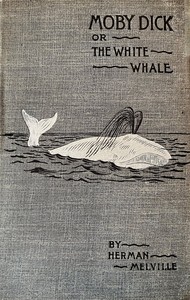
- Original title: Moby-Dick; Or, The Whale
- Author: Herman Melville
- Published: 1851
- Source: Project Gutenberg eBook #2701
- Genre: sea novel, symbolic epic, American Renaissance fiction
- Core themes: obsession, interpretation, authority, labor, fellowship, survival
2. Exam Plot Structure
1. Ishmael turns despair toward the sea
The voyage begins as escape, curiosity, labor, and narration.
2. Ahab turns labor into revenge
The Pequod becomes a working ship captured by one captain's metaphysical obsession.
3. Symbols multiply
Whale, coin, coffin, sermon, prophecy, and sea all demand interpretation without offering stable mastery.
4. Catastrophe produces witness
Ishmael survives not to solve the disaster but to tell it.
3. Key Original Passages for Close Reading
Những Passage này không chỉ là các câu đáng nhớ. Mỗi đoạn là điểm luyện close reading: người nói, tình huống, diction, syntax, image, tone và theme phải được đọc cùng nhau. Trong AP Lit, SAT Reading, IB English và bài luận ở trường, một trích dẫn ngắn chỉ hữu ích khi bạn giải thích được cách ngôn ngữ của nó thay đổi ý nghĩa của cảnh và toàn bộ tác phẩm.
Hãy đọc mỗi passage theo ba bước. Một là xác định literal situation. Hai là đánh dấu từ hoặc hình ảnh có sức nặng. Ba là biến quan sát đó thành một claim có thể bảo vệ. Mục tiêu là đi từ quotation sang commentary, không dừng ở tóm tắt cốt truyện.
Các mục Context, Close reading và Essay use giữ thuật ngữ tiếng Anh vì đây là ngôn ngữ luyện thi và viết luận. Phần giải thích bằng tiếng Việt giúp người đọc hiểu cách dùng các câu tiếng Anh đó làm evidence.
Passage 1: Ishmael chooses a name
Call me Ishmael. Some years ago--never mind how long precisely--having little or no money in my purse, and nothing particular to interest me on shore, I thought I would sail about a little and see the watery part of the world.
Context: Ishmael begins as a self-conscious narrator whose voyage is escape, curiosity, and survival strategy.
Close reading: The clipped command "Call me" creates intimacy while withholding full identity. The loose second sentence turns despair into motion toward water.
Essay use: Use this for narration, identity, melancholy, or the sea as psychological pressure.
Passage 2: November in the soul
Whenever I find myself growing grim about the mouth; whenever it is a damp, drizzly November in my soul... then, I account it high time to get to sea as soon as I can.
Context: Ishmael explains why going to sea is a remedy for inward violence and depression.
Close reading: Weather imagery makes mood external and physical. The repeated "whenever" turns private despair into a recurring pattern.
Essay use: Use this for tone, syntax, and arguments about escape before the plot of pursuit begins.
Passage 3: Queequeg and fellowship
Better sleep with a sober cannibal than a drunken Christian.
Context: Ishmael revises his assumptions after sharing a room with Queequeg.
Close reading: The comic antithesis attacks cultural prejudice by making conduct more important than labels. Melville uses shock to expose moral comparison.
Essay use: Use this for friendship, satire, racial assumptions, and the novel's challenge to conventional categories.
Passage 4: Whiteness as terror
It was the whiteness of the whale that above all things appalled me.
Context: Ishmael pauses the plot to analyze why Moby Dick's color becomes spiritually terrifying.
Close reading: The simple syntax isolates "whiteness" as an interpretive problem. A color associated with purity becomes blankness, absence, and dread.
Essay use: Use this for symbolism, ambiguity, and the danger of projecting meaning onto the whale.
Passage 5: Ahab and pasteboard masks
All visible objects, man, are but as pasteboard masks.
Context: Ahab explains his metaphysical rage to Starbuck, treating the visible world as a surface hiding hostile power.
Close reading: The metaphor turns reality into a theatrical covering. Ahab's diction makes interpretation aggressive: he must strike through appearances.
Essay use: Use this for Ahab, obsession, metaphysics, and the difference between interpretation and violence.
Passage 6: Ahab at the climax
Towards thee I roll, thou all-destroying but unconquering whale; to the last I grapple with thee.
Context: Ahab addresses the whale in the final chase as his revenge becomes indistinguishable from self-destruction.
Close reading: Apostrophe and combat verbs make the scene theatrical and ritualistic. The phrase "unconquering" reveals that Ahab values defiance more than survival.
Essay use: Use this for tragic climax, heroic language, and obsession as self-annihilation.
Passage 7: Survivor witness
I only am escaped alone to tell thee.
Context: The epilogue frames Ishmael as the lone survivor whose narration follows catastrophe.
Close reading: The biblical echo turns survival into testimony. Ishmael does not master the disaster; he bears witness to it.
Essay use: Use this for structure, epilogue, narration, and the cost of telling the story.
4. Quy trình Close Reading
Close reading trong Moby-Dick nghĩa là biết mình đang đọc mode nào. Melville có thể chuyển từ comic autobiography sang sermon, stage drama, scientific catalog, philosophical essay và apocalyptic chase. Một exam paragraph mạnh không đối xử mọi passage như cùng một kiểu narration. Nó xác định speaker, form of knowledge đang bị test, và áp lực giữa fact, symbol và obsession.
Step 1: Xác định tình huống literal
Xác định speaker và shipboard pressure. Ishmael đang quản lý despair bằng cách ra biển? Queequeg đang biến fear thành fellowship? Father Mapple đang giảng Jonah trước voyage? Ahab đang biến labor của Pequod thành revenge? Literal situation quan trọng vì cùng một sea có thể nghĩa là work, escape, terror, knowledge hoặc judgment tùy người đang đọc nó.
Step 2: Xác định narrative position
Hỏi Ishmael đang kể như survivor, philosopher, comic observer hay collector of facts. Voice của ông thường mở rộng plot thành meditation. Ngược lại, speeches của Ahab nghe theatrical và absolute. Với SAT-style questions, khác biệt này giúp tách reflective narration khỏi monomaniacal command.
Step 3: Đánh dấu charged diction
Đánh dấu các từ mang metaphysical pressure: "spleen," "whiteness," "mask," "pasteboard," "fate," "stricken," "orphan." Diction của Melville thường biến physical objects thành câu hỏi về evil, knowledge và human limits. Hãy giải thích từ ấy biến whale, coin, coffin hoặc sea từ object thành problem như thế nào.
Step 4: Chú ý syntax và tone
Chú ý sentence đang accumulates, catalogs, declaims hay breaks into command. Long lists của Ishmael có thể làm knowledge vừa ambitious vừa insufficient. Syntax của Ahab thường dồn lên thành challenge và defiance. Hình dạng câu có thể cho thấy language đang exploring mystery hay cố dominate it.
Step 5: Nối image với abstraction
Theo dõi cách images từ chối single meanings. Whiteness có thể gợi purity, blankness, terror và unknowability. Coffin của Queequeg trở thành life buoy. Doubloon phản chiếu mind của mỗi viewer. Close reading mạnh giải thích không chỉ image "means" gì mà Melville làm interpretation itself unstable như thế nào.
Step 6: Biến quan sát thành claim
Biến observation thành argument về interpretation, limits, obsession, fellowship hoặc witness. Tránh "the whale symbolizes evil" nếu đứng một mình. Claim mạnh hơn giải thích vì sao Ahab cần whale chỉ có một meaning trong khi narration của Ishmael cứ multiplying meanings.
Worked example: Ahab và "pasteboard masks"
- Literal situation: Ahab giải thích vì sao ông săn Moby Dick, biến whale từ animal thành enemy và sign.
- Narrative position: đây không phải reflection mở của Ishmael; đây là dramatic self-justification của Ahab.
- Device: metaphor "pasteboard masks" tưởng tượng visible reality như một bề mặt mỏng che force sâu hơn.
- Interpretation: Ahab không thể chấp nhận world là opaque. Ông coi interpretation như violence: nếu surface che meaning, ông sẽ strike through it.
- Claim: By making Ahab read the whale as a mask to be smashed, Melville shows how the desire for absolute meaning becomes destructive when it refuses uncertainty.
Dùng cùng method cho "Call me Ishmael," chapter về "whiteness," doubloon, coffin và epilogue. Paragraph mạnh nhất giải thích cách Melville biến reading itself thành moral problem: một số interpretations tạo fellowship, còn số khác biến world thành target.
5. Vì sao Literary Devices quan trọng
Devices của Melville quan trọng vì Moby-Dick không chỉ là adventure plot. Đây là book về cách humans make meaning khi world chống lại họ. Với AP Lit, SAT Reading, IB English và school essays, devices giúp bạn giải thích vì sao cùng một whale có thể là biological fact, economic object, divine mystery, psychological projection và fatal enemy.
Symbolism: white whale như unstable sign
Moby Dick không phải fixed symbol với một answer. Scene evidence: Ahab đọc whale như malice phía sau visible world, trong khi meditation của Ishmael về whiteness gom purity, terror, emptiness và awe. Essay use: lập luận rằng novel đối chiếu obsessive interpretation với interpretive openness.
First-person narration: Ishmael as survivor and interpreter
Mở đầu "Call me" của Ishmael vừa casual, evasive vừa self-making. Scene evidence: ông bắt đầu từ depression, kết fellowship bất ngờ với Queequeg, và sống sót để kể story sau khi Pequod biến mất. Essay use: dùng narration để cho thấy survival trong novel phụ thuộc vào flexible interpretation và relational openness, không phải mastery.
Biblical allusion: Jonah và disobedient vocation
Sermon của Father Mapple framing voyage trước khi Ahab xuất hiện đầy đủ. Scene evidence: Jonah's flight, punishment và obedience tạo religious pattern mà Ahab sẽ distort bằng cách biến will của mình thành absolute. Essay use: bàn cách allusion nâng stakes của plot từ sea adventure thành moral and spiritual testing.
Dramatic monologue: theatrical command của Ahab
Ahab thường nói như thể ship là stage và crew là audience. Scene evidence: ông đóng doubloon, rally men, và biến ordinary whaling labor thành revenge quest. Essay use: phân tích dramatic speech tạo charisma đồng thời phơi ra danger của leader hút lives của người khác vào private wound.
Catalog and cetology: knowledge with limits
Các whale chapters classify, define và describe, nhưng không bao giờ master whale hoàn toàn. Scene evidence: scientific và historical digressions của Ishmael build knowledge trong khi liên tục thừa nhận gaps. Essay use: dùng catalog form để lập luận rằng Melville coi trọng inquiry nhưng nghi ngờ mọi system tuyên bố total possession of truth.
Imagery: fire, sea và forge
Melville biến shipboard labor thành visual và moral imagery mãnh liệt. Scene evidence: try-works scene làm productive work trông infernal, trộn industry, nightmare và spiritual danger. Essay use: nối imagery với nghi ngờ của novel rằng human labor và ambition có thể trở nên hellish khi bị obsession chi phối.
Foil: Starbuck chống lại Ahab
Starbuck thấy ethical claim mà Ahab từ chối. Scene evidence: anh nhận ra madness của việc hunting one whale for vengeance và sau đó viện đến wife and child như claims mạnh hơn revenge. Essay use: dùng foil để làm rõ tragedy của Ahab: ông có đủ human feeling để bị tempted by return, nhưng không đủ để abandon the chase.
Motif: objects thay đổi meaning
Melville liên tục làm objects gather và shift meaning. Scene evidence: doubloon phản chiếu mind của mỗi viewer; coffin của Queequeg đổi từ death sign thành life buoy; quadrant trở thành object Ahab phá khi nó đại diện ordinary guidance. Essay use: trace motif để lập luận rằng meaning trong novel là relational và unstable.
Frame and epilogue: witness after catastrophe
Ending khiến survival của Ishmael structurally necessary. Scene evidence: epilogue tiết lộ ông là lone witness nổi trên coffin sau khi Ahab, crew và ship bị hủy. Essay use: dùng frame để lập luận rằng narration là ethical act: disaster chỉ có thể mean something vì còn người ở lại để kể.
6. Biến phân tích nhân vật thành ngôn ngữ bài luận
Phân tích nhân vật không phải danh sách tính cách. Trong bài luận văn học, nhân vật quan trọng vì mang áp lực: ham muốn, sợ hãi, kỳ vọng xã hội, xung đột đạo đức, tự lừa dối hoặc thay đổi. Bài luận mạnh nối nhân vật, kỹ thuật và theme trong cùng một lập luận.
Trước khi viết, hãy hỏi bốn câu:
- Role: nhân vật giữ chức năng gì trong tác phẩm?
- Pressure: ham muốn, nỗi sợ hoặc quy tắc nào tác động đến nhân vật?
- Device: tác giả trình bày nhân vật bằng kỹ thuật nào?
- Essay sentence: nhân vật này có thể hỗ trợ claim nào?
Ahab functions as obsessive will turned into command, and Melville's symbolic voyage reveals how meaning-making can become self-destruction.
Các thẻ bên dưới giúp biến ghi chú nhân vật thành claim có thể phát triển bằng textual evidence.
Ishmael
survivor and reflective narrator
Ishmael survives because he can observe, revise, classify, doubt, and keep telling after certainty collapses.
Essay sentence: Ishmael turns despair into narration, and his survival makes interpretation humble rather than conquering.
Ahab
obsessed captain
Ahab converts bodily injury into a metaphysical war and forces a working ship to serve private revenge.
Essay sentence: Ahab shows how heroic language becomes catastrophic when will refuses limits, community, and uncertainty.
Queequeg
harpooner and loyal friend
Queequeg unsettles Ishmael's inherited prejudices and later turns death imagery into survival through the coffin.
Essay sentence: Queequeg anchors the novel's ethics of fellowship by making loyalty more reliable than cultural categories.
Starbuck
conscience and restraint
Starbuck sees the moral danger of Ahab's pursuit but cannot convert conscience into command.
Essay sentence: Starbuck dramatizes the weakness of right judgment when hierarchy and charisma control action.
7. Thesis Builder
Obsession
Private injury becomes public catastrophe
Weak: Obsession is important.
Strong: Melville uses Ahab's obsession to show how private pain becomes destructive when it claims metaphysical authority over a whole community.
Interpretation
Reading without mastery
Weak: Interpretation is important.
Strong: Through whales, sermons, coins, prophecies, and classifications, Moby-Dick argues that interpretation is necessary but dangerous when desire controls it.
Authority
Command against conscience
Weak: Authority is important.
Strong: The Pequod's hierarchy reveals how charismatic authority can overpower practical reason even when moral warning is present.
Labor
Material work and symbolic scale
Weak: Labor is important.
Strong: Melville grounds the novel's metaphysical questions in whaling labor, showing that meaning emerges from bodies, tools, risk, and work.
8. SAT Reading Sample
These are SAT-style practice questions, not official College Board questions. Questions and answer choices are in English for exam practice.
Question 1
In a passage about Ishmael deciding to go to sea, Which choice best states the main function of Ishmael's opening explanation?
- A. It proves Ishmael already knows Ahab's fate
- B. It rejects the sea as a symbolic setting
- C. It describes whale anatomy before any character appears
- D. It turns private despair into the motive for narration and voyage
Answer: D. Ishmael bắt đầu từ inward pressure. Voyage trở thành cách manage despair và create a story.
Question 2
In a passage about Ishmael sharing a bed with Queequeg, What can the reader infer from Ishmael's changed view of Queequeg?
- A. He now accepts every cultural assumption he began with
- B. Direct experience revises prejudice more powerfully than inherited labels
- C. He decides never to sail on the Pequod
- D. Queequeg hides all signs of loyalty
Answer: B. Scene test categories against conduct. Ishmael học judge Queequeg bằng behavior, trust và fellowship.
Question 3
In a passage about Father Mapple's Jonah sermon, The tone of Father Mapple's sermon is best described as
- A. casual and skeptical
- B. comic and dismissive
- C. grave and prophetic
- D. nostalgic and domestic
Answer: C. Sermon framing flight, obedience và vocation trước khi quest của Ahab xuất hiện đầy đủ.
Question 4
In a passage about Ahab first appearing on deck, Which detail best supports the idea that Ahab's authority is theatrical and dangerous?
- A. His scarred body and staged silence make command feel like a performance
- B. Ahab speaks only about ordinary navigation
- C. Ishmael forgets Ahab immediately
- D. The crew refuses to listen to him
Answer: A. Body, timing và silence của Ahab làm leadership dramatic trước khi ông giải thích quest.
Question 5
In a passage about the doubloon nailed to the mast, The doubloon mainly functions as
- A. an object that reveals each observer's private system of interpretation
- B. a neutral payment with no symbolic force
- C. proof that Ahab cares only about fair wages
- D. a comic interruption unrelated to the chase
Answer: A. Các characters đọc cùng một coin khác nhau, khiến interpretation thành một phần của characterization.
Question 6
In a passage about Starbuck resisting Ahab, What is the best inference from Starbuck's hesitation?
- A. He does not understand the voyage is dangerous
- B. He secretly shares Ahab's monomania
- C. Conscience can recognize danger without having enough power to stop authority
- D. He cares only about profit
Answer: C. Starbuck thấy moral problem, nhưng hierarchy và charisma của Ahab làm resistance yếu đi.
Question 7
In a passage about the whiteness chapter, The whale's whiteness becomes terrifying chiefly because it
- A. has one fixed religious meaning
- B. makes the whale invisible to everyone
- C. removes the whale from the plot
- D. invites projection while refusing final interpretation
Answer: D. Whiteness thành blank gather incompatible meanings thay vì settle them.
Question 8
In a passage about the cetology chapters, The structure of the whale-classification chapters suggests that
- A. classification fully controls the whale
- B. systems of knowledge are useful yet unable to exhaust mystery
- C. science makes symbols unnecessary
- D. Ishmael wants to stop narrating the voyage
Answer: B. Các chapters organize knowledge trong khi liên tục expose limits of organization.
Question 9
In a passage about Pip falling overboard, The passage about Pip most strongly emphasizes
- A. how the sea cures every fear
- B. how Pip becomes captain of the Pequod
- C. how abandonment exposes the human cost beneath maritime labor
- D. how Ahab becomes gentle and cautious
Answer: C. Trauma của Pip reveal cost của system có thể để một người physically and spiritually isolated.
Question 10
In a passage about the try-works at night, The imagery of the try-works most nearly turns labor into
- A. an infernal vision of fire, industry, and moral disorientation
- B. a pastoral scene of harvest
- C. a peaceful domestic ritual
- D. a legal debate about ownership
Answer: A. Firelit labor trở nên hellish, cho thấy work và nightmare hòa vào nhau trên ship.
Question 11
In a passage about Ahab destroying the quadrant, Ahab's treatment of the quadrant implies that he
- A. trusts ordinary navigation more than revenge
- B. has lost interest in Moby Dick
- C. plans to return home immediately
- D. rejects instruments that represent limits, measurement, and practical guidance
Answer: D. Destroying the quadrant dramatizes refusal của Ahab trước ordinary guidance để chọn will.
Question 12
In a passage about Fedallah's prophecy, The prophecy affects the plot mainly by
- A. ending Ahab's obsession
- B. making Starbuck captain
- C. feeding Ahab's belief that fate protects his pursuit
- D. removing suspense from the chase
Answer: C. Prophecy không restrain Ahab; nó strengthen sense of exceptional destiny của ông.
Question 13
In a passage about Queequeg's coffin, Queequeg's coffin is most important because it
- A. belongs to Ahab throughout the voyage
- B. changes from a sign of death into the means of Ishmael's survival
- C. is thrown away before the final chase
- D. solves the meaning of the whale
Answer: B. Object đảo chiều symbolic: death trở thành raft preserving witness.
Question 14
In a passage about the Pequod crew, The multiethnic crew helps Melville present the ship as
- A. a compressed image of human society under dangerous command
- B. a place without hierarchy
- C. a private home untouched by commerce
- D. a symbol with no relation to labor
Answer: A. Crew mở rộng ship thành social world, làm control của Ahab catastrophic hơn.
Question 15
In a passage about Ahab speaking of pasteboard masks, Ahab's metaphor suggests that he sees visible reality as
- A. morally sufficient in itself
- B. a surface he must violently strike through
- C. a scientific chart of whale species
- D. a comforting illusion of domestic peace
Answer: B. Ahab xem interpretation như assault, không phải contemplation. Ông muốn break through appearances.
Question 16
In a passage about Starbuck invoking Ahab's family, The appeal to Ahab's family mainly functions to
- A. prove Ahab has no past
- B. shift the novel into comedy
- C. make Starbuck forget his conscience
- D. briefly oppose monomania with domestic memory and ordinary human ties
Answer: D. Starbuck viện wife and child như claims mạnh hơn revenge, dù Ahab resist them.
Question 17
In a passage about the final chase, The final chase is structured to show
- A. pursuit becoming self-destruction in repeated stages
- B. Ahab learning moderation
- C. the whale becoming harmless
- D. the crew escaping before danger begins
Answer: A. Three-day chase escalates obsession cho đến khi ship và crew bị consumed bởi nó.
Question 18
In a passage about Ishmael as survivor, Ishmael's survival chiefly makes him
- A. morally superior to every sailor
- B. the person who kills the whale
- C. the owner of the Pequod
- D. a witness whose story depends on loss
Answer: D. Epilogue làm narration possible, nhưng chỉ sau catastrophe đã erase crew.
Question 19
In a passage about the sea as setting, The sea most often functions as
- A. a stable moral map
- B. a minor background to town life
- C. a vast force that makes human certainty fragile
- D. a place where symbols disappear
Answer: C. Sea resists mastery và biến human plans thành exposed performances.
Question 20
In a passage about the novel's repeated acts of interpretation, The repeated attempts to interpret whales, signs, sermons, coins, and prophecies suggest that
- A. meaning is always simple
- B. reading is necessary but dangerous when desire controls it
- C. symbols should never be analyzed
- D. Ahab and Ishmael read in exactly the same way
Answer: B. Novel value interpretation nhưng cho thấy projection có thể trở nên destructive.
9. AP Lit Essay Questions
Essay Question 1
Analyze how Ishmael's opening turns private despair into the motive for narration and voyage.
Essay Question 2
Explain how the Ishmael and Queequeg scenes challenge inherited prejudice through comedy, intimacy, and trust.
Essay Question 3
Discuss Father Mapple's sermon as foreshadowing. How does Jonah frame obedience, flight, and vocation before the Pequod sails?
Essay Question 4
Analyze Ahab's first appearance on deck as a performance of authority. How do body, silence, and timing shape power?
Essay Question 5
Choose the doubloon scene and explain how one object reveals multiple systems of interpretation.
Essay Question 6
How does Starbuck function as conscience? Analyze why moral recognition does not become effective resistance.
Essay Question 7
Defend a reading of the white whale as blankness, evil, nature, God, or projection, and address one counterreading.
Essay Question 8
Explain how the cetology chapters make form part of meaning rather than mere digression.
Essay Question 9
Analyze Pip's abandonment as a scene that exposes the human cost of maritime labor and Ahab's quest.
Essay Question 10
Discuss Fedallah and prophecy as devices that make fate language serve obsession rather than restrain it.
Essay Question 11
How does the Pequod operate as a compressed image of society? Use crew, labor, hierarchy, and command.
Essay Question 12
Analyze Ahab's destruction of the quadrant as a rejection of measurement, navigation, and ordinary limits.
Essay Question 13
Close-read the try-works scene. How does industrial labor become infernal imagery and moral disorientation?
Essay Question 14
Explain why Queequeg's coffin is one of the novel's most important symbols of reversal.
Essay Question 15
Analyze Starbuck's appeal to Ahab's family. What does domestic memory briefly oppose?
Essay Question 16
Discuss the final chase as tragic structure: repetition, escalation, defiance, and catastrophe.
Essay Question 17
How does Ishmael's survival change the meaning of the whole narrative?
Essay Question 18
Choose one sea image and analyze how vastness makes human certainty fragile.
Essay Question 19
Compare Ahab's mode of interpretation with Ishmael's. What makes one destructive and the other survivable?
Essay Question 20
Write an essay on labor and metaphysics in Moby-Dick, showing how material whaling work supports symbolic scale.
10. Model Thesis Bank
- Melville uses Ishmael's opening melancholy to make narration a survival practice before it becomes an adventure story.
- Ishmael and Queequeg's friendship challenges cultural prejudice by making embodied trust more persuasive than inherited labels.
- Father Mapple's sermon foreshadows the voyage by framing flight from duty as both spiritual danger and narrative pattern.
- Ahab's staged appearances turn authority into theater, making the crew respond to charisma before they can judge his purpose.
- The doubloon condenses the novel's theory of reading because each observer finds a different self in the same object.
- Starbuck reveals the tragedy of conscience without power: he recognizes moral danger but cannot break the hierarchy that carries it forward.
- The white whale terrifies because blankness invites projection, allowing Ahab's rage and Ishmael's speculation to gather around the same body.
- The cetology chapters show that classification is both necessary and insufficient, organizing the whale while admitting mystery remains.
- Pip's abandonment exposes the violence hidden beneath maritime routine, turning labor into a test of human value.
- Fedallah's prophecy strengthens Ahab's obsession by making fatal language sound like permission.
- The Pequod becomes a floating society whose diversity is finally subordinated to one captain's private revenge.
- Ahab's destruction of the quadrant dramatizes his rejection of practical limits in favor of metaphysical domination.
- The try-works scene transforms industry into infernal imagery, suggesting that productive labor can become morally disorienting under obsession.
- Queequeg's coffin reverses symbolic expectation by turning an object prepared for death into the condition of Ishmael's survival.
- Starbuck's appeal to Ahab's family briefly introduces domestic memory as an ethical alternative to monomania.
- The final chase is tragic because its repeated stages convert pursuit into the visible mechanics of self-destruction.
- Ishmael's survival makes narration a form of witness, preserving meaning without claiming mastery over catastrophe.
- The sea in Moby-Dick makes human certainty fragile by exposing every system of knowledge to vastness, chance, and force.
- Melville contrasts Ahab's violent interpretation with Ishmael's wandering interpretation to separate projection from humility.
- The novel joins whaling labor to metaphysical inquiry, showing that symbolic meaning grows out of material work rather than floating above it.
11. Academic Vocabulary for Essays
- diction: word choice that shapes tone and meaning
- irony: a gap between appearance and reality
- symbolism: an object, image, or action carrying larger meaning
- narrative structure: the arrangement of events and perspectives
- motif: a repeated image, word, or situation
- monomania: obsessive focus on one idea or object
- apostrophe: direct address to an absent, dead, or nonhuman figure
- sublime: overwhelming vastness or power that produces awe and fear
- ambiguity: openness to more than one plausible meaning
- witness: a survivor who gives testimony after an event