Alice ở xứ sở thần tiên hướng dẫn học — AP Lit, SAT Reading, close reading và luyện luận
Hướng dẫn thực hành cho AP English Literature, SAT Reading, IB English và bài luận ở trường, với đoạn trích, thủ pháp, câu hỏi và luận điểm.
Tài liệu học này được dịch từ bản gốc tiếng Anh và có thể tiếp tục được chỉnh sửa.
Hướng dẫn này dành cho học sinh cần bàn về Alice ở xứ sở thần tiên bằng dẫn chứng văn bản. Nếu muốn đọc phần giải thích cốt truyện trước, hãy bắt đầu với bài viết chính.
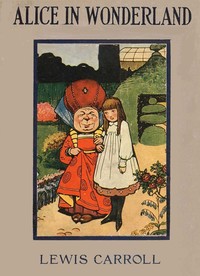
Hướng dẫn này dành cho ai
Dùng trang này để đi từ nhớ cốt truyện sang lập luận học thuật: dẫn chứng văn bản → close reading → diễn giải → luận điểm.
- sắp xếp cốt truyện thành các chặng dễ dùng trong bài thi
- biến dẫn chứng ngắn thành phân tích
- nối thủ pháp văn học với luận điểm
- luyện câu hỏi SAT-style và đề AP Lit
1. Ôn nhanh
- Original title: Alice's Adventures in Wonderland
- Author: Lewis Carroll
- Published: 1865
- Source: Project Gutenberg eBook #11
- Genre: nonsense fantasy, Victorian children's literature
- Core themes: Logic, Identity, Language, Power
- Exam focus: plot structure, character motive, symbolism, diction, irony, and ending interpretation
2. Cấu trúc cốt truyện cho bài thi
1. Thỏ Trắng và cú rơi dưới đời thường
Alice đang chán thì thấy Thỏ Trắng mặc áo gi-lê xem đồng hồ. Cảnh mở đầu cho thấy tò mò kéo câu chuyện khỏi trật tự thường ngày và đưa nó vào logic bất ổn.
Khi viết bài, hãy xem đây là điểm gặp của động cơ, áp lực và biểu tượng.
2. Thay đổi kích thước và vấn đề bản sắc
Alice nhỏ lại, lớn lên, rồi nhận ra bản sắc không còn chắc khi cơ thể không chắc. Hài hước thể xác trở thành cách nói về trưởng thành, kiểm soát và tự biết mình.
3. Đoạn nguyên văn then chốt để close reading
Những Passage này không chỉ là các câu đáng nhớ. Mỗi đoạn là điểm luyện close reading: người nói, tình huống, diction, syntax, image, tone và theme phải được đọc cùng nhau. Trong AP Lit, SAT Reading, IB English và bài luận ở trường, một trích dẫn ngắn chỉ hữu ích khi bạn giải thích được cách ngôn ngữ của nó thay đổi ý nghĩa của cảnh và toàn bộ tác phẩm.
Hãy đọc mỗi passage theo ba bước. Một là xác định literal situation. Hai là đánh dấu từ hoặc hình ảnh có sức nặng. Ba là biến quan sát đó thành một claim có thể bảo vệ. Mục tiêu là đi từ quotation sang commentary, không dừng ở tóm tắt cốt truyện.
Các mục Context, Close reading và Essay use giữ thuật ngữ tiếng Anh vì đây là ngôn ngữ luyện thi và viết luận. Phần giải thích bằng tiếng Việt giúp người đọc hiểu cách dùng các câu tiếng Anh đó làm evidence.
Passage 1: the Rabbit takes out a watch
when the Rabbit actually took a watch out of its waistcoat-pocket, and looked at it, and then hurried on, Alice started to her feet
Bối cảnh: Alice sees the White Rabbit turn animal behavior into social urgency. Cảnh này nên được đọc như bằng chứng chứ không chỉ là cốt truyện.
Close reading: The ordinary verbs of looking and hurrying make fantasy begin through a tiny violation of everyday expectation. Điểm chính là giải thích cách câu chữ tạo áp lực trong cảnh.
Dùng trong essay: Use this for essays about curiosity, threshold scenes, and how Carroll makes nonsense enter through familiar details. Trích ngắn rồi nối với luận điểm toàn tác phẩm.
Passage 2: falling slowly enough to wonder
Either the well was very deep, or she fell very slowly, for she had plenty of time as she went down to look about her and to wonder what was going to happen next.
Bối cảnh: The rabbit-hole fall stretches an accident into a thinking scene. Cảnh này nên được đọc như bằng chứng chứ không chỉ là cốt truyện.
Close reading: The balanced alternatives make descent feel comic, measured, and mentally active rather than purely frightening. Điểm chính là giải thích cách câu chữ tạo áp lực trong cảnh.
Dùng trong essay: Use this to discuss narrative pacing and the way Wonderland begins by changing the rules of time and perception. Trích ngắn rồi nối với luận điểm toàn tác phẩm.
Passage 3: Who in the world am I?
But if I'm not the same, the next question is, Who in the world am I? Ah, that's the great puzzle!
Bối cảnh: After changing size, Alice tries to determine whether she is still herself. Cảnh này nên được đọc như bằng chứng chứ không chỉ là cốt truyện.
Close reading: The question turns identity from a stable fact into a puzzle produced by bodily change and failed memory. Điểm chính là giải thích cách câu chữ tạo áp lực trong cảnh.
Dùng trong essay: Use this for essays on childhood, selfhood, education, and unstable knowledge. Trích ngắn rồi nối với luận điểm toàn tác phẩm.
Passage 4: schoolroom knowledge goes wrong
Let me see: four times five is twelve, and four times six is thirteen, and four times seven is--oh dear! I shall never get to twenty at that rate!
Bối cảnh: Alice tests herself with lessons after wondering whether she has become someone else. Cảnh này nên được đọc như bằng chứng chứ không chỉ là cốt truyện.
Close reading: The arithmetic error makes learned knowledge feel fragile inside a world whose rules keep sliding. Điểm chính là giải thích cách câu chữ tạo áp lực trong cảnh.
Dùng trong essay: Use this for arguments about education, memory, and the comic failure of adult systems. Trích ngắn rồi nối với luận điểm toàn tác phẩm.
Passage 5: the Cheshire Cat defines local madness
We're all mad here. I'm mad. You're mad.
Bối cảnh: The Cheshire Cat explains Wonderland by making madness a shared condition. Cảnh này nên được đọc như bằng chứng chứ không chỉ là cốt truyện.
Close reading: The repetition converts an insult into a rule of place, making irrationality sound calmly logical. Điểm chính là giải thích cách câu chữ tạo áp lực trong cảnh.
Dùng trong essay: Use this in a paragraph about nonsense as order rather than mere chaos. Trích ngắn rồi nối với luận điểm toàn tác phẩm.
Passage 6: the tea table refuses room
No room! No room! they cried out when they saw Alice coming. There's plenty of room! said Alice indignantly, and she sat down in a large arm-chair at one end of the table.
Bối cảnh: Alice enters the Mad Tea-Party and confronts social exclusion disguised as etiquette. Cảnh này nên được đọc như bằng chứng chứ không chỉ là cốt truyện.
Close reading: The contrast between the cry and the visible empty space exposes manners as performance and gatekeeping. Điểm chính là giải thích cách câu chữ tạo áp lực trong cảnh.
Dùng trong essay: Use this for essays about conversation, etiquette, and social rules that do not serve sense. Trích ngắn rồi nối với luận điểm toàn tác phẩm.
Passage 7: sentence before verdict
No, no! said the Queen. Sentence first--verdict afterwards.
Bối cảnh: The trial reverses legal order at the moment when authority should become most rational. Cảnh này nên được đọc như bằng chứng chứ không chỉ là cốt truyện.
Close reading: The clipped reversal makes law sound like grammar turned inside out, exposing judgment without evidence. Điểm chính là giải thích cách câu chữ tạo áp lực trong cảnh.
Dùng trong essay: Use this for essays about arbitrary power, legal satire, and Alice's final resistance. Trích ngắn rồi nối với luận điểm toàn tác phẩm.
4. Quy trình Close Reading
Close reading Alice ở xứ sở thần tiên nghĩa là theo dõi cách những quy tắc bình thường trở nên bất ổn. Carroll hiếm khi bắt đầu bằng fantasy thuần túy. Ông bắt đầu bằng các vật quen thuộc: đồng hồ bỏ túi, bài học ở trường, bàn trà, trận croquet, phòng xử án. Sau đó một chi tiết nhỏ phá vỡ quy tắc quen thuộc và buộc Alice kiểm tra xem thế giới còn có nghĩa hay không.
Step 1: Gọi tên quy tắc bình thường đang bị xáo trộn
Trước hết hãy xác định hệ thống bình thường mà cảnh đang mượn: đo thời gian, số học, phép lịch sự, thủ tục pháp lý, hội thoại hoặc sự vâng lời của trẻ em. Đồng hồ của Thỏ Trắng quan trọng vì động vật thường không mang lịch trình xã hội. Phiên tòa quan trọng vì tòa án phải đi từ chứng cứ đến phán quyết rồi mới đến hình phạt.
Step 2: Theo dõi cách Alice kiểm tra quy tắc
Alice không phải người mơ thụ động. Cô hỏi, kiểm tra, sửa lại, phản đối, và đôi khi cũng sai. Khi viết đoạn văn, hãy nối sự kỳ lạ của cảnh với phản ứng của Alice: tò mò trong hang thỏ, hoảng hốt khi đổi kích thước, phẫn nộ ở bàn trà, và phản kháng rõ ràng trong phòng xử án.
Step 3: Đánh dấu các từ về logic và quy tắc
Hãy tìm những từ nghe có vẻ hợp lý nhưng lại tạo nonsense: "actually," "either," "question," "puzzle," "mad," "room," "sentence," và "verdict." Carroll thường làm điều vô lý nghe bình tĩnh bằng cách cho nó ngữ pháp của lời giải thích. Vì vậy câu "We're all mad here" của Cheshire Cat giống một quy luật địa phương hơn là một câu đùa ngẫu nhiên.
Step 4: Chú ý đảo ngược, lặp lại và trình tự bị phá vỡ
Tác phẩm liên tục đảo ngược trật tự mong đợi. Alice rơi đủ chậm để suy nghĩ. Bàn trà có "plenty of room" nhưng vẫn hô "No room." Tòa án muốn "Sentence first--verdict afterwards." Những đảo ngược này không chỉ gây cười; chúng phơi ra cách các hệ thống xã hội giữ vẻ ngoài có trật tự trong khi bỏ rơi lý trí.
Step 5: Biến thay đổi thể chất thành ý tưởng
Wonderland làm áp lực tinh thần trở nên nhìn thấy được. Việc Alice đổi kích thước biến trưởng thành thành một vấn đề thân thể. Hồ nước mắt biến cảm xúc riêng thành phong cảnh. Bộ bài biến quyền lực hoàng gia thành trò chơi mong manh. Hãy hỏi một chi tiết vật lý đang trở thành lập luận về identity, language hoặc authority như thế nào.
Step 6: Biến quan sát thành claim
Kết đoạn bằng một claim gọi tên thủ pháp, tác dụng trong cảnh và ý nghĩa lớn hơn. Tránh câu kiểu "Wonderland is weird." Claim mạnh hơn sẽ giải thích cách Carroll làm sự kỳ quặc bắt chước quy tắc đời thường.
Worked example: phòng xử án của Queen
Trong cảnh xử án, Queen nói "Sentence first--verdict afterwards." Tình huống literal là một phòng xử án, nơi chứng cứ lẽ ra phải quan trọng nhất. Các từ mang áp lực là thuật ngữ pháp lý, nhưng Carroll đảo trật tự của chúng. Dấu gạch ngang làm mệnh lệnh nghe gấp và nóng nảy, như thể Queen muốn cả ngữ pháp cũng phải phục tùng.
Một paragraph claim có thể viết:
By reversing the legal sequence of "sentence" and "verdict," Carroll turns the courtroom into a parody of justice, showing that Wonderland's authority depends on performance rather than evidence.
5. Vì sao Literary Devices quan trọng
Trong Alice ở xứ sở thần tiên, literary devices quan trọng vì nonsense của tác phẩm được xây dựng rất cẩn thận. Câu hỏi AP Lit và SAT Reading thường hỏi một chi tiết lạ có chức năng gì. Câu trả lời mạnh phải cho thấy Carroll biến jokes, games và những cuộc nói chuyện phi lý thành evidence về identity, authority và language.
Symbolism: đồ vật mang theo quy tắc xã hội
Đồng hồ của Thỏ Trắng tượng trưng cho thế giới người lớn của lịch trình và sự vội vã bước vào trí tưởng tượng trẻ thơ. Khi viết essay, dùng chiếc đồng hồ để lập luận rằng Wonderland bắt đầu khi một quy tắc xã hội bình thường xuất hiện trong một cơ thể sai chỗ và khiến Alice bước qua ngưỡng.
Scale imagery: trưởng thành được làm thành thân thể
Alice thu nhỏ và lớn lên rất buồn cười, nhưng các cảnh đó cũng làm identity bất ổn. Cơ thể thay đổi trước khi tâm trí Alice kịp giải thích. Dùng các cảnh này cho essay về childhood development, self-recognition và áp lực bị đo bằng những quy tắc liên tục đổi dạng.
Parody: bài học ở trường bị lật ngược
Các phép tính sai và bài đọc thuộc bị méo của Alice parody nền giáo dục Victoria. Cảnh này không chỉ chế giễu trường học; nó hỏi điều gì xảy ra khi kiến thức học thuộc mất ngữ cảnh. Trong essay, nối các tổng sai và bài thơ méo với câu hỏi lớn hơn của truyện: language có thật sự bảo đảm knowledge không.
Repetition: nonsense giả dạng trật tự
"No room! No room!" buồn cười vì bàn trà rõ ràng có chỗ. Sự lặp lại khiến một quy tắc sai nghe như chính thức. Dùng thủ pháp này để phân tích manners như social control: các nhân vật dùng phép lịch sự không phải để chào đón Alice, mà để loại trừ cô trong khi giả vờ việc loại trừ ấy hợp lý.
Dialogue and wordplay: hội thoại như cái bẫy
Các cuộc nói chuyện ở Wonderland thường dựa trên pun, câu trả lời quá literal và câu hỏi không chịu ổn định. Câu "Who are you?" của Caterpillar gây áp lực vì nghe đơn giản trong khi câu trả lời đã trở nên bất khả. Dùng dialogue để cho thấy Carroll làm language vừa playful vừa threatening.
Satire: authority without evidence
Tòa án của Queen parody các thiết chế lẽ ra phải duy lý. Những mệnh lệnh như "Off with his head!" và "Sentence first--verdict afterwards" rút justice xuống thành impulse. Trong essay, dùng các cảnh này để lập luận rằng Carroll phơi ra power như một màn trình diễn khi nó tách khỏi proof.
Motif: games không có quy tắc ổn định
Games lặp lại khắp tác phẩm: races, riddles, croquet và cards. Mỗi game hứa hẹn order nhưng tạo confusion hoặc coercion. Theo dõi motif này để giải thích cách Wonderland biến play thành bài kiểm tra về authority, fairness và interpretation.
Frame narrative: dream logic và kiểm tra đời thực
Kết thúc tiết lộ chuyến phiêu lưu là dream, nhưng frame không xóa nghĩa của nó. Alice thức dậy sau khi gọi tòa án là "pack of cards." Dùng frame để lập luận rằng fantasy đã kiểm tra các thói quen xã hội thật: obedience, politeness, education và judgment.
Contrast: lý trí trẻ em chống lại adult absurdity
Tác phẩm thường khiến Alice là người hợp lý nhất trong một thế giới đầy nonsense nghe như người lớn. Sự phẫn nộ của cô ở bàn trà và phản kháng trong tòa án tương phản với các quy tắc tùy tiện của những sinh vật kia. Dùng contrast này cho essay về childhood intelligence thách thức những hệ thống chỉ có vẻ trưởng thành.
6. Biến phân tích nhân vật thành ngôn ngữ bài luận
Phân tích nhân vật không phải danh sách tính cách. Trong bài luận văn học, nhân vật quan trọng vì mang áp lực: ham muốn, sợ hãi, kỳ vọng xã hội, xung đột đạo đức, tự lừa dối hoặc thay đổi. Bài luận mạnh nối nhân vật, kỹ thuật và theme trong cùng một lập luận.
Trước khi viết, hãy hỏi bốn câu:
- Role: nhân vật giữ chức năng gì trong tác phẩm?
- Pressure: ham muốn, nỗi sợ hoặc quy tắc nào tác động đến nhân vật?
- Device: tác giả trình bày nhân vật bằng kỹ thuật nào?
- Essay sentence: nhân vật này có thể hỗ trợ claim nào?
Alice functions as a questioning child-reader, and Carroll's use of nonsense logic reveals how language and authority can become unstable systems.
Các thẻ bên dưới giúp biến ghi chú nhân vật thành claim có thể phát triển bằng textual evidence.
Alice
questioning child and active interpreter
Alice is polite enough to recognize rules but curious enough to test them. Her growth comes from noticing contradictions instead of accepting nonsense as authority.
Essay sentence: Carroll makes Alice an active interpreter whose questions turn Wonderland from a dream landscape into a critique of adult rules.
White Rabbit
anxious guide into social time
The White Rabbit does not explain Wonderland; he imports hurry, schedule, rank, and panic into it. His watch makes the fantastic world feel oddly bureaucratic.
Essay sentence: The White Rabbit turns curiosity into pursuit, showing how a tiny social detail can pull Alice away from ordinary childhood space.
Cheshire Cat
logic reduced to a grin
The Cat answers questions by exposing the assumptions inside them. Its disappearing body and remaining grin make identity feel detachable and unstable.
Essay sentence: Through the Cheshire Cat, Carroll makes direction depend on purpose, not merely on movement through a strange world.
Queen of Hearts
arbitrary command as government
The Queen's repeated threats reveal authority as volume, costume, and habit rather than justice. Her court keeps forms of order while emptying them of reason.
Essay sentence: The Queen of Hearts satirizes power by showing command without judgment and punishment without evidence.
Mad Hatter
conversation without arrival
The Hatter keeps language moving while blocking communication. The tea-party turns politeness into a loop of interruptions, riddles, and stalled time.
Essay sentence: The Mad Hatter shows that conversation can perform intelligence while refusing shared meaning.
7. Thesis Builder
Logic
Logic under pressure
Weak: The book is illogical.
Strong: Carroll uses almost-logical exchanges, from the Cheshire Cat to the trial, to show that systems can sound rational while abandoning purpose.
Identity
Body and self
Weak: Alice changes size a lot.
Strong: Alice's changing body makes identity a practical crisis, because memory, language, and social recognition no longer confirm who she is.
Language
Words misbehave
Weak: There are puns in the book.
Strong: Carroll's wordplay turns language into both a toy and a trap, forcing readers to notice how meaning depends on context.
Power
Authority as performance
Weak: The Queen is mean.
Strong: The Queen's court preserves the costume of law while reversing evidence and judgment, making arbitrary authority comic and frightening at once.
8. SAT Reading Sample
Các câu hỏi SAT-style này dựa trên cảnh và đoạn văn thật trong tác phẩm. Đây không phải câu hỏi chính thức của College Board; hãy dùng để luyện inference, function, tone, vocabulary, structure và evidence.
Question 1
When Alice notices the Rabbit's waistcoat pocket and watch, which choice best explains the function of the detail?
- A. It makes the Rabbit seem realistic instead of strange.
- B. It treats the watch as a random decoration unrelated to the scene.
- C. It makes the fantastic begin through a small, precise break in ordinary reality.
- D. It says the character already understands the conflict completely.
Answer: C. Chiếc đồng hồ là một đồ vật Victoria rất cụ thể trong túi áo của một con vật, nên fantasy bắt đầu từ một vi phạm nhỏ của đời thường. A và B bỏ qua ngưỡng chuyển cảnh ấy, còn D phóng đại mức hiểu biết của Alice ở đầu truyện.
Question 2
In the rabbit-hole fall, the narration says Alice has time to look around and wonder. What does this pacing imply?
- A. The fall is less a sudden accident than a suspended passage into a new logic.
- B. It presents the event as ordinary danger with no change in logic.
- C. It focuses only on physical movement and ignores pacing.
- D. It argues that the scene gives a realistic map of the setting.
Answer: A. Narration kéo dài cú rơi đủ lâu để Alice quan sát và suy đoán, biến danger thành một passage of thinking. Các lựa chọn còn lại làm pacing lạ thành realism hoặc chuyển động thuần túy.
Question 3
When Alice asks who she is after changing size, what is the best inference?
- A. It says identity remains fixed and unquestioned.
- B. It treats the change as only a visual gag.
- C. It replaces the question with a fact about another character.
- D. Physical change has made identity feel uncertain rather than merely inconvenient.
Answer: D. Câu hỏi của Alice biến thay đổi thân thể thành khủng hoảng self-knowledge. A và B bỏ lỡ áp lực của "Who in the world am I?", còn C rời khỏi speaker và vấn đề của cảnh.
Question 4
Alice's broken arithmetic after her size change mainly suggests what about school knowledge?
- A. It claims school knowledge solves the problem immediately.
- B. Memorized lessons lose authority when the world no longer follows expected rules.
- C. It says the passage praises memorization without irony.
- D. It ignores the wording and focuses only on location.
Answer: B. Phép nhân sai cho thấy schoolroom facts không thể ổn định Alice khi logic của Wonderland đã trượt đi. A và C làm cảnh quá tự tin, còn D bỏ qua ngôn ngữ arithmetic.
Question 5
In the pool of tears episode, what is the effect of Alice nearly drowning in her own tears?
- A. It makes Alice's tears disappear as soon as she regrets crying.
- B. It treats emotion as a minor background prop.
- C. A private emotion becomes a public environment she must physically navigate.
- D. It turns the scene into a lesson about weather rather than feeling.
Answer: C. Hồ nước mắt literalizes emotion: nước mắt của Alice thành không gian vật lý đe dọa cô. A, B và D đều thu nhỏ image thành prop, feeling biến mất hoặc weather bên ngoài.
Question 6
The Mouse's offended reaction to Alice's talk of cats mainly reveals what?
- A. It claims every speaker shares the same assumptions.
- B. It shows Alice deliberately trying to frighten the Mouse.
- C. It ignores fear and treats the exchange as neutral.
- D. Ordinary conversation fails because each creature brings a different history and fear to language.
Answer: D. Alice nói casual về cats, nhưng Mouse nghe thấy danger, nên cùng một word mang histories khác nhau với listeners khác nhau. A giả định shared context, B bịa hostile intent, còn C đọc sai exchange thành neutral.
Question 7
In the caucus race, everyone runs and everyone wins. What does the scene satirize?
- A. It praises the procedure as an efficient system of justice.
- B. Official procedures that imitate fairness while producing no meaningful standard.
- C. It treats motion itself as proof of meaningful order.
- D. It says the scene has no relation to social rules.
Answer: B. Cuộc race mượn form của public procedure, nhưng "everyone wins" làm competition và judgment mất standards. A tin procedure quá dễ, còn C và D bỏ lỡ satire về rule-making.
Question 8
The Caterpillar's repeated question most directly pressures Alice to do what?
- A. Define herself in a world where size, memory, and language keep changing.
- B. It ignores the pressure created by repetition.
- C. It claims the scene is only about physical appearance.
- D. It says the question gives a simple factual answer.
Answer: A. "Who are you?" nghe đơn giản, nhưng repetition biến nó thành identity test sau khi body và memory của Alice unreliable. B và C đọc thiếu pressure, còn D làm câu hỏi dễ hơn cảnh cho phép.
Question 9
Alice's failed recitations are best read as evidence that Wonderland does what?
- A. It proves Alice has permanently forgotten every lesson she learned.
- B. It treats memory as stable and fully reliable.
- C. It ignores the distortion of familiar language.
- D. It turns schoolroom certainty into verbal instability and comic doubt.
Answer: D. Các recitations bị méo cho thấy school language quen thuộc trượt khỏi hình dạng, khiến knowledge thành comic evidence của uncertainty. A phóng đại failure, B phủ nhận nó, còn C bỏ qua distortion của poems và lessons.
Question 10
In the Duchess's kitchen, noise, pepper, and violence create what tone?
- A. It describes the setting as peaceful domestic comfort.
- B. It focuses only on objects and ignores violence.
- C. Domestic absurdity mixed with menace, making home life feel socially deranged.
- D. It says the tone is solemn and realistic throughout.
Answer: C. Pepper, tiếng hét và đồ vật bị ném biến domestic room thành comic danger. A và D đọc sai tone, còn B nhận ra objects nhưng không giải thích menace của chúng.
Question 11
The Cheshire Cat's claim that everyone is mad primarily functions to do what?
- A. Normalize Wonderland's irrationality and make Alice question her own standards.
- B. It says the exchange removes all uncertainty.
- C. It treats disorder as a rare exception.
- D. It ignores the calm logic of the claim.
Answer: A. Cat trình bày madness như condition của nơi này, dùng calm repetition để khiến irrationality nghe logical. B xóa uncertainty của cảnh, còn C và D bỏ lỡ cách claim vận hành.
Question 12
At the Mad Tea-Party, the cry "No room!" despite visible room mainly shows what?
- A. It claims the characters make a truthful statement about space.
- B. Social exclusion can be performed through empty rules and false etiquette.
- C. It ignores the protagonist response to exclusion.
- D. It says politeness works normally in the scene.
Answer: B. Khoảng trống nhìn thấy được khiến "No room!" lặp lại trở thành social performance, không phải factual claim. A và D tin etiquette quá nhiều, còn C bỏ qua phản ứng indignantly của Alice.
Question 13
The Hatter's broken relation to Time helps develop which idea?
- A. It shows that the Hatter controls time successfully.
- B. It treats time as a normal clock mechanism only.
- C. It says the scene resolves conversation into agreement.
- D. Conversation and schedule can become trapped when rules lose human purpose.
Answer: D. Tea-time bất tận biến schedule thành imprisonment, nên conversation xoay vòng không tiến triển. A bịa mastery, B thu Time thành clockwork, còn C bịa agreement.
Question 14
The croquet game, with living mallets and moving arches, best illustrates what?
- A. Authority becomes arbitrary when even the game's basic materials refuse stability.
- B. It describes the game or system as stable and fair.
- C. It focuses on surface play and ignores coercion.
- D. It claims authority has no influence over the scene.
Answer: A. Croquet lẽ ra cần rules và equipment, nhưng flamingos và hedgehogs cứ di chuyển, làm authority bất ổn ở material level. B, C và D bỏ lỡ cách game expose coercive disorder.
Question 15
The card soldiers painting roses red imply what about the Queen's rule?
- A. It says the performance is purely decorative.
- B. Power encourages concealment and performance because mistakes are punished irrationally.
- C. It ignores fear of punishment as a motive.
- D. It treats the image as separate from authority.
Answer: B. Gardeners sơn lại roses vì một lỗi nhỏ có thể dẫn tới punishment bạo lực, nên image nối fear với performance. A coi action là decoration, còn C và D tách nó khỏi power.
Question 16
In the trial, "Sentence first--verdict afterwards" has what effect?
- A. It reverses legal sequence to expose judgment detached from evidence.
- B. It treats the phrase as harmless wordplay only.
- C. It claims the institution follows proper sequence.
- D. It says evidence fully controls judgment.
Answer: A. Lệnh của Queen đặt punishment trước judgment, biến legal language thành parody of justice. C và D nói ngược dòng này, còn B bỏ lỡ institutional satire.
Question 17
Alice growing during the trial mainly changes the scene by doing what?
- A. It makes Alice disappear from the courtroom conflict.
- B. It says the character becomes less able to resist.
- C. It focuses only on the body and ignores interpretation.
- D. Her physical growth supports intellectual resistance to the court's authority.
Answer: D. Khi Alice lớn lên, body của cô visually match sự refusal ngày càng tăng trước nonsense của court. A loại cô khỏi scene, B đảo ngược change, còn C tách body khỏi interpretive effect.
Question 18
When Alice calls the court a pack of cards, what does the wording accomplish?
- A. It names the artificial nature of power and breaks the dream's authority.
- B. It treats naming as increasing the illusion power.
- C. It says the wording hides rather than reveals artificiality.
- D. It ignores the connection between recognition and release.
Answer: A. Gọi court là cards phơi ra tính constructed của nó, và illusion sụp khi Alice nhận ra. B, C và D đều bỏ lỡ connection giữa language, recognition và release.
Question 19
The dream frame at the end most strongly suggests what?
- A. It says the ending erases every question raised earlier.
- B. Fantasy has tested real-world rules rather than becoming meaningless once Alice wakes.
- C. It treats the frame as unrelated to real rules.
- D. It claims imagination is rejected entirely.
Answer: B. Waking frame không cancel Wonderland; nó đưa Alice trở về với ordinary rules đã bị questioned. A và D overstate erasure, còn C tách dream khỏi social habits nó đã test.
Question 20
Across the novel, Alice's questions mainly make her what kind of figure?
- A. It presents the protagonist as passive and uninterested.
- B. It says questions weaken rather than sharpen agency.
- C. An active reader of systems who refuses to accept confusion without testing it.
- D. It ignores repeated testing of language and rules.
Answer: C. Alice liên tục test language, manners, bodies, games và law thay vì chấp nhận confusion là final. A và B biến cô passive, còn D bỏ qua pattern of questioning tổ chức tác phẩm.
9. AP Lit Essay Questions
Use these prompts to practice building a defensible literary argument from specific scenes, not from plot summary alone.
Essay Question 1
Analyze how the rabbit-hole descent changes ordinary space into a test of perception. Your essay should connect pacing, curiosity, and the first break from realistic logic.
Essay Question 2
Alice's body repeatedly changes size, but the novel treats those changes as more than visual comedy. Explain how scale becomes a way to examine identity and control.
Essay Question 3
Discuss how the pool of tears turns private feeling into a shared, physical environment. How does the scene complicate the boundary between emotion and social experience?
Essay Question 4
The caucus race has rules, motion, and winners, yet seems purposeless. Analyze how Carroll uses this scene to satirize official procedure.
Essay Question 5
In the Caterpillar scene, questions unsettle rather than clarify Alice. Explain how repetition and dialogue shape the novel's idea of self-knowledge.
Essay Question 6
Alice's failed recitations distort familiar poems and lessons. Analyze how misremembering becomes a critique of education and authority.
Essay Question 7
The Duchess's kitchen combines domestic imagery with violence and nonsense. Explain how the scene turns the home into social satire.
Essay Question 8
The Cheshire Cat gives directions by questioning Alice's purpose. Analyze how the scene links direction, desire, and interpretation.
Essay Question 9
The Mad Tea-Party is structured around interruption rather than progress. Discuss how time, manners, and conversation become comic forms of disorder.
Essay Question 10
Choose one animal figure and explain how Carroll uses it to transform a familiar social role into something strange or critical.
Essay Question 11
The Queen of Hearts commands through repetition and threat. Analyze how her language creates power while also making that power ridiculous.
Essay Question 12
The croquet game turns play into punishment. Explain how unstable rules reveal the danger of arbitrary authority.
Essay Question 13
The card soldiers suggest costume, flatness, and performance. Analyze how card imagery contributes to the novel's satire of hierarchy.
Essay Question 14
The trial scene imitates legal order while reversing evidence and judgment. Explain how Carroll uses legal form to expose illogic.
Essay Question 15
Alice often corrects others, but she is also confused. Discuss how the novel makes interpretation a process of trial, error, and resistance.
Essay Question 16
Many Wonderland scenes are funny and anxious at the same time. Choose one scene and analyze how comedy preserves a sense of threat.
Essay Question 17
Compare the book's dream structure with a conventional coming-of-age plot. What kind of growth does Alice experience, and what kind does she refuse?
Essay Question 18
Analyze how Carroll uses syntax, repetition, or punning to make language unstable. Use at least two scenes rather than isolated jokes.
Essay Question 19
The ending wakes Alice from Wonderland but does not erase the experience. Explain how the final frame changes the reader's understanding of fantasy.
Essay Question 20
Write an essay on Alice as a reader of rules. How do her questions turn Wonderland into an argument about authority, language, and childhood?
10. Model Thesis Bank
- Carroll uses the White Rabbit's watch to make fantasy begin as a small social detail, suggesting that Wonderland grows out of ordinary adult anxieties about time and duty.
- The rabbit-hole descent slows falling into observation, turning a physical accident into a model for how readers enter nonsense by watching its rules form.
- Alice's changing size makes identity depend on proportion, memory, and recognition rather than on a fixed inner certainty.
- The pool of tears externalizes Alice's emotion, showing that private feeling in Wonderland becomes an environment with social consequences.
- The Mouse episode reveals that language fails when speakers ignore the histories and fears their words awaken in others.
- The caucus race satirizes institutions that preserve motion and ceremony while abandoning meaningful standards of fairness.
- Alice's failed school recitations turn education into unstable performance, showing how memorized knowledge collapses when context changes.
- The Caterpillar's questions make selfhood argumentative, forcing Alice to define herself through response rather than possession.
- The Duchess's kitchen transforms nursery imagery into social disorder, exposing domestic authority as noisy, violent, and absurd.
- Through the Cheshire Cat, Carroll argues that direction is meaningless without purpose, even in a world full of roads and signs.
- The Mad Tea-Party uses interruption and stalled time to show that etiquette can become a ritual of exclusion rather than communication.
- The Hatter's riddling speech turns intelligence into obstruction, suggesting that clever language can block understanding as easily as create it.
- The Queen's repeated threats expose power as performance: command works because others react before judgment has any rational basis.
- The croquet game converts play into coercion, revealing how arbitrary systems punish participants for instability the system itself creates.
- The card soldiers' painted roses show subjects hiding error under performance because authority values appearance over truth.
- The trial scene preserves legal vocabulary while reversing legal logic, making the court a comic image of judgment without justice.
- Alice's growth during the trial links physical scale to intellectual confidence, allowing her to resist the court by naming its artificiality.
- The phrase "pack of cards" breaks the spell of power by reducing royal authority to flat, playable objects.
- The dream frame does not cancel Wonderland; it lets Carroll test real institutions through fantasy and return those questions to waking life.
- Alice becomes the reader's model for active interpretation because she questions rules without pretending she fully understands them.
11. Academic Vocabulary for Essays
- diction: lựa chọn từ tạo giọng và nghĩa
- irony: khoảng cách giữa vẻ ngoài và thực tế
- symbolism: hình ảnh hoặc hành động mang nghĩa rộng hơn
- narrative structure: cách sắp xếp sự kiện và điểm nhìn
- foil: nhân vật làm rõ nhân vật khác qua đối lập
- motif: hình ảnh, từ hoặc tình huống lặp lại
- moral agency: khả năng lựa chọn và chịu trách nhiệm
- social pressure: sức ép từ giai cấp, danh tiếng, luật hoặc gia đình
- self-deception: từ chối nhận ra sự thật khó chịu
- consequence: kết quả hoặc cái giá của hành động