ミドルマーチ学習ガイド - AP Lit、SAT Reading、精読、エッセイ練習
AP English Literature、SAT Reading、IB English、学校エッセイのための実用ガイドです。重要場面、精読、設問、論題を整理します。
この学習ガイドは英語版をもとに翻訳されており、今後さらに調整される場合があります。
このガイドは、筋の記憶をテキスト証拠、精読、解釈、論題へ変えるためのものです。全体の解説を先に読みたい場合は本編記事から始めてください。
Who This Guide Is For
目的は、あらすじの理解を証拠にもとづく学術的な主張へ変えることです。
- organize the plot into exam-ready stages
- connect textual evidence to close reading
- practice SAT-style inference, function, tone, vocabulary, and structure
- build AP Lit essay claims with scene-specific evidence
1. Quick Review
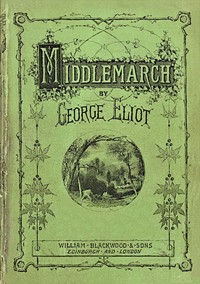
- Original title: Middlemarch: A Study of Provincial Life
- Author: George Eliot
- Published: 1871-1872
- Source: Project Gutenberg eBook #145
- Genre: realist social novel
- Core themes: sympathy, marriage, vocation, money, reputation, ordinary influence
- Exam focus: narrative structure, character motive, symbolism, diction, irony, and ending interpretation
2. Exam Plot Structure
1. Idealism seeks a form
Dorothea wants a life of moral use and mistakes Casaubon's dry scholarship for spiritual greatness.
2. Vocation meets the social web
Lydgate arrives with medical ambition, but marriage, debt, reputation, and Bulstrode's power gradually compromise him.
3. Sympathy becomes action
Dorothea's growth appears most clearly when she sees Rosamond with compassion despite pain and misunderstanding.
4. The ending values hidden influence
The finale measures lives by quiet effects, not by public fame or heroic achievement.
3. Key Original Passages for Close Reading
これらの Passage は、覚えやすい名文を並べただけではありません。どれも close reading の練習点です。話者、場面、diction、syntax、image、tone、theme を結びつけて読む必要があります。AP Lit、SAT Reading、IB English、学校エッセイでは、短い引用も「その言葉が場面と作品全体の意味をどう変えるか」まで説明して初めて根拠になります。
各 Passage は三段階で読みます。まず literal situation を確認します。次に意味の強い語句やイメージを印づけます。最後に、その観察を essay claim に変えます。目的は plot summary ではなく、quotation から commentary へ進むことです。
Context、Close reading、Essay use は英語の試験語彙を残しています。解説部分では、その英語表現をどう理解し、どのように答案へ使うかを日本語で補います。
Passage 1: Miss Brooke and social vision
Miss Brooke had that kind of beauty which seems to be thrown into relief by poor dress.
文脈: The opening presents Dorothea through a social gaze that admires her while already judging her austerity.
精読ポイント: The sentence joins beauty to restraint. Eliot makes appearance a moral problem from the first line, because Dorothea is read by others before she can define herself.
エッセイでの使い方: Use this for characterization, narrative distance, or essays on how social perception shapes identity.
Passage 2: Dorothea's ethical question
What do we live for, if it is not to make life less difficult to each other?
文脈: Dorothea moves from private suffering toward an ethic of practical sympathy.
精読ポイント: The rhetorical question turns morality away from abstraction and toward daily burden-sharing. The phrase "less difficult" makes goodness modest, concrete, and demanding.
エッセイでの使い方: Use this in essays about sympathy, maturity, or the novel's definition of useful goodness.
Passage 3: moral stupidity
We are all of us born in moral stupidity, taking the world as an udder to feed our supreme selves.
文脈: The narrator generalizes from particular failures of sympathy to a shared human condition.
精読ポイント: The blunt phrase "moral stupidity" refuses flattering psychology. The bodily metaphor makes egotism childish, hungry, and ordinary rather than monstrous.
エッセイでの使い方: Use this for narrator commentary, irony, and claims about learning to see beyond the self.
Passage 4: Casaubon's dry labor
He had undertaken to show that all the mythical systems or erratic mythical fragments in the world were corruptions of a tradition originally revealed.
文脈: Casaubon's project is introduced as enormous, abstract, and nearly impossible to complete.
精読ポイント: The inflated scope of "all" and the heavy scholarly phrasing expose the gap between ambition and living insight. The sentence sounds impressive and airless at once.
エッセイでの使い方: Use this to analyze failed vocation, sterile knowledge, or Dorothea's mistaken reverence.
Passage 5: Rosamond and interrupted art
It is always fatal to have music or poetry interrupted.
文脈: A social scene turns taste, performance, and self-image into comedy and judgment.
精読ポイント: The witty absolute "always fatal" exaggerates interruption into catastrophe, revealing a world where refinement can become vanity.
エッセイでの使い方: Use this for tone, irony, Rosamond, or the novel's treatment of culture as social performance.
Passage 6: hidden influence
Her finely touched spirit had still its fine issues, though they were not widely visible.
文脈: The finale measures Dorothea by influence rather than fame.
精読ポイント: The repeated "fine" stresses delicacy and moral quality, while "not widely visible" challenges public measures of success. Eliot values effects that cannot be easily counted.
エッセイでの使い方: Use this for ending interpretation and essays on gender, history, or moral legacy.
Passage 7: unhistoric acts
The growing good of the world is partly dependent on unhistoric acts.
文脈: The narrator closes by valuing lives outside official records.
精読ポイント: The phrase "growing good" makes history organic and collective, while "unhistoric acts" overturns heroic fame as the only measure of value.
エッセイでの使い方: Use this as a concluding passage for essays about ordinary responsibility and the moral scale of the novel.
4. Close Reading の手順
Middlemarch の close reading は、人物の理想と provincial society の制約を同時に読むことから始めます。Eliot の omniscient narrator は、Dorothea、Lydgate、Rosamond、Casaubon を理解しながら判断するため、sympathy と irony の両方を追います。
Step 1: literal situation を確認する
Dorothea が Casaubon を理想化するのか、Lydgate が vocation を語るのか、Rosamond が自己像を守るのか。結婚、金銭、評判、職業上の圧力を押さえます。
Step 2: narrative position を見る
語り手は人物をからかうだけでも、全面的に許すだけでもありません。弱さを理解しながら、その弱さが他人へ与える影響を見せます。
Step 3: charged diction を印づける
ardent、vocation、key、moral stupidity、web、unhistoric acts などの語を追います。個人の夢が社会的関係や consequence へつながります。
Step 4: syntax と tone を見る
長い文、比喩、挿入句、一般化が、小さな選択を大きな moral pattern へ広げます。
Step 5: image を abstraction につなげる
web、key、light、dry labor は、個人の失望を制度や関係の形へ変えます。Casaubon の Key は知の約束であり、空虚な体系でもあります。
Step 6: observation を claim に変える
Eliot は Dorothea の理想を尊重しながら、理想が誤った対象を選ぶと他者理解を欠く危険がある、と claim にできます。
Worked example: "the growing good of the world"
“the growing good of the world” は英雄的成功ではなく、目立たない影響の蓄積を価値づけます。unhistoric acts が社会の moral life を支えるという結末の倫理が見えます。
5. Literary Devices が重要な理由
Eliot の技法は社会小説を長くするためではありません。omniscient narration、metaphor、irony、free indirect style、setting が、個人の願望と social consequence の web を見せます。
Omniscient narration: sympathy with judgment
語り手は人物の内面に近づきつつ、その自己欺瞞を見逃しません。
Metaphor: the social web
web は、個人の選択が他者へ届く仕組みを表します。結婚、借金、評判、政治は互いに絡みます。
Irony: noble language, limited reality
高い理想の言葉は本物ですが、現実の相手や制度にぶつかると限界を見せます。
Diction: "moral stupidity"
“moral stupidity” は、悪意がなくても他者を理解しない鈍さが害を生むことを示します。
Symbolism: Casaubon's Key
Casaubon の Key は知識の大事業に見えながら、生命力のない閉じた体系を象徴します。
Foil: Dorothea and Rosamond
Dorothea と Rosamond は、理想主義と自己演出という異なる self-centeredness を照らし合います。
Free indirect style: self-deception from within
人物に近い語りが、本人にはもっともらしい self-deception を内側から見せます。
Setting: provincial life as moral laboratory
Middlemarch の町は、評判、職業、政治、結婚、金銭が交差する moral laboratory です。
Motif: vocation and frustrated purpose
vocation は希望ですが、結婚や社会制度によって曲げられます。目的と実現の距離が見えます。
6. 人物分析をエッセイ用の言葉に変える
人物分析は性格リストではありません。文学エッセイでは、人物は desire、fear、social expectation、moral conflict、self-deception、change を背負う存在です。強い答案は、人物、技法、テーマを同じ論理で結びます。
書く前に四つを確認します。
- Role: その人物は作品内で何を担うか
- Pressure: どんな欲望、恐れ、規則が人物を動かすか
- Device: 作者はどの技法で人物を見せるか
- Essay sentence: どんな claim を支えられるか
Dorothea functions as an idealist learning moral proportion, and Eliot's web of intersecting plots reveals how private choices shape communal life.
以下のカードは、人物メモを evidence を伴う essay claim に変えるための出発点です。
Dorothea Brooke
idealism learning sympathy
Dorothea begins with a hunger for moral greatness, but the Casaubon marriage teaches her that aspiration without accurate vision can become self-deception.
Essay sentence: Dorothea's movement from revering Casaubon to recognizing Rosamond's pain shows Eliot redefining greatness as disciplined sympathy rather than grand self-sacrifice.
Tertius Lydgate
vocation under pressure
Lydgate brings real professional ambition to Middlemarch, yet he underestimates debt, marriage, reputation, and his own pride.
Essay sentence: Lydgate's decline shows that a vocation can fail gradually when talent lacks the practical and moral conditions needed to survive social pressure.
Rosamond Vincy
fantasy and self-protection
Rosamond is not merely vain; she has trained herself to treat elegance, admiration, and comfort as proof that life is going correctly.
Essay sentence: Rosamond turns refinement into resistance, making domestic beauty a way to deny the costs of Lydgate's vocation.
Will Ladislaw
living responsiveness
Will contrasts with Casaubon because he represents movement, conversation, and a present-tense life rather than sterile accumulation.
Essay sentence: Will functions less as romantic rescue than as a measure of Dorothea's growing ability to choose living mutuality over dead reverence.
7. Thesis Builder
Sympathy
From feeling to moral attention
Weak: Sympathy is important.
Strong: Eliot presents sympathy not as softness but as the disciplined effort to see another person accurately when pride, pain, or social habit makes misreading easier.
Marriage
Intimacy as interpretation
Weak: Marriage is important.
Strong: Through Dorothea and Casaubon and Lydgate and Rosamond, Middlemarch treats marriage as a test of whether people can read one another beyond fantasy.
Vocation
Ambition under ordinary pressure
Weak: Vocation is important.
Strong: Lydgate's plot shows that vocation is not protected by talent alone; it must survive money, reputation, domestic conflict, and self-knowledge.
Ordinary influence
Unhistoric moral value
Weak: Ordinary influence is important.
Strong: The finale turns away from public greatness and asks readers to value hidden acts whose influence is real precisely because it spreads quietly.
8. SAT Reading Sample
以下は公式問題ではなく、SAT Reading 型の練習用です。問題文と選択肢は英語のまま残し、Answer label は英語試験で確認しやすい形にしています。解説では、どのように本文の根拠を作品全体の意味へつなげるかを確認してください。
Question 1
In a passage about Dorothea first reads Casaubon as a great scholar, Which choice best states the narrator's main purpose in presenting Dorothea's admiration for Casaubon before the marriage?
- A. To prove that Dorothea is interested only in wealth and social rank
- B. To suggest that Casaubon deliberately pretends to be younger than he is
- C. To show how a sincere hunger for meaning can misread intellectual dryness as greatness
- D. To shift the novel from realism into a comic courtship plot
Answer: C. ここでは単なる筋ではなく、次の推論が求められています: The passage turns Dorothea's reverence into dramatic irony: her idealism is real, but the object she chooses cannot answer it. 他の選択肢は、本文で支えにくい一般化、単なる筋の確認、または作品全体の主題から外れる読みです。
Question 2
In a passage about the Rome honeymoon, In a passage describing Dorothea's loneliness in Rome, what can the reader most reasonably infer?
- A. Art and history intensify Dorothea's sense that her marriage is spiritually empty
- B. The narrator treats Rome as irrelevant decoration
- C. Dorothea secretly wishes to return to Sir James Chettam at once
- D. Casaubon has decided to abandon his scholarly project entirely
Answer: A. 本文の局所的な根拠から次の解釈へ進める点が決め手です: The setting is not ornamental. Rome makes the contrast between living culture and Casaubon's dead scholarship painful. 他の選択肢は、本文で支えにくい一般化、単なる筋の確認、または作品全体の主題から外れる読みです。
Question 3
In a passage about Lydgate entering Middlemarch society, The tone of a passage about Lydgate's early confidence is best described as
- A. bitterly dismissive, because Lydgate is treated as incompetent from the start
- B. purely nostalgic, because medical science is shown as already lost
- C. openly celebratory, because the town immediately accepts reform
- D. admiring but cautionary, because talent is shown before the social pressures that will test it
Answer: D. 正解は、言葉・構成・主題のつながりを次のように押さえます: Eliot lets readers respect Lydgate's ambition while seeing the limits of confidence without social self-knowledge. 他の選択肢は、本文で支えにくい一般化、単なる筋の確認、または作品全体の主題から外れる読みです。
Question 4
In a passage about Rosamond imagining married life with Lydgate, Which interpretation of Rosamond's language about refinement and position is most supported by the scene?
- A. It proves that Rosamond understands Lydgate's medical vocation deeply
- B. It reveals how romantic language can hide practical fantasies of status
- C. It shows that Rosamond rejects all forms of social recognition
- D. It makes Rosamond a simple villain with no emotional complexity
Answer: B. この選択肢は、場面の働きを次のように最も正確にまとめます: Rosamond's words make desire look delicate, but the scene shows how strongly she imagines marriage as social elevation. 他の選択肢は、本文で支えにくい一般化、単なる筋の確認、または作品全体の主題から外れる読みです。
Question 5
In a passage about Casaubon's Key to All Mythologies, The unfinished scholarly project mainly functions as a symbol of
- A. the town's successful educational reform
- B. knowledge cut off from living sympathy and practical use
- C. Dorothea's hidden desire to become a historian
- D. Will Ladislaw's political future
Answer: B. この選択肢は、場面の働きを次のように最も正確にまとめます: The Key gathers Casaubon's sterility: it aims at total explanation but cannot produce living insight. 他の選択肢は、本文で支えにくい一般化、単なる筋の確認、または作品全体の主題から外れる読みです。
Question 6
In a passage about Fred Vincy harming the Garths through debt, Which detail would best support an inference that Fred's immaturity has real ethical consequences?
- A. The narrator ignores the financial effects of his choices
- B. His charm makes conversation easier at parties
- C. Mary Garth refuses to speak plainly to him
- D. His unpaid obligation damages Caleb Garth rather than remaining a private inconvenience
Answer: D. 正解は、言葉・構成・主題のつながりを次のように押さえます: The scene matters because debt spreads harm. Fred's weakness enters another household and becomes a moral problem. 他の選択肢は、本文で支えにくい一般化、単なる筋の確認、または作品全体の主題から外れる読みです。
Question 7
In a passage about Mary Garth correcting Fred, Mary's plain speech most strongly contributes to the passage by
- A. linking affection with moral clarity rather than indulgence
- B. making Fred's inheritance certain
- C. proving that Mary has no emotional attachment to Fred
- D. turning the novel into satire of rural education
Answer: A. 本文の局所的な根拠から次の解釈へ進める点が決め手です: Mary loves Fred without flattering him. Her language makes responsibility a condition of any future happiness. 他の選択肢は、本文で支えにくい一般化、単なる筋の確認、または作品全体の主題から外れる読みです。
Question 8
In a passage about Bulstrode confronted by Raffles, In a passage about Raffles returning, the structure mainly creates suspense by
- A. withholding all information about Bulstrode until the final page
- B. solving the scandal before the town hears of it
- C. placing a buried past against the public identity Bulstrode has built
- D. moving away from Bulstrode's public authority to unrelated comic scenes
Answer: C. ここでは単なる筋ではなく、次の推論が求められています: The scene's pressure comes from collision: private history threatens public reputation. 他の選択肢は、本文で支えにくい一般化、単なる筋の確認、または作品全体の主題から外れる読みです。
Question 9
In a passage about Bulstrode using religious language to explain himself, Which choice best describes the effect of Bulstrode's religious diction?
- A. It makes Raffles responsible for Bulstrode's earlier choices
- B. It proves that the narrator accepts every part of his self-defense
- C. It removes financial motives from the scene
- D. It exposes how moral vocabulary can become a screen for self-interest
Answer: D. 正解は、言葉・構成・主題のつながりを次のように押さえます: Eliot is interested in self-deception from the inside. The language of Providence can protect Bulstrode from full confession. 他の選択肢は、本文で支えにくい一般化、単なる筋の確認、または作品全体の主題から外れる読みです。
Question 10
In a passage about Lydgate receiving money from Bulstrode, What is the best inference from Lydgate's financial dependence in this scene?
- A. His professional skill has disappeared overnight
- B. Rosamond has solved the household's debts
- C. Even partial dependence on compromised power can damage public trust
- D. Middlemarch society never judges by appearances
Answer: C. ここでは単なる筋ではなく、次の推論が求められています: The passage shows why innocence and reputation are not identical. Circumstance can make a person readable in damaging ways. 他の選択肢は、本文で支えにくい一般化、単なる筋の確認、または作品全体の主題から外れる読みです。
Question 11
In a passage about Dorothea learning of Casaubon's codicil, The codicil primarily reveals Casaubon's desire to
- A. extend control over Dorothea's living future after his death
- B. free Dorothea from social expectation
- C. honor Will Ladislaw as an heir
- D. confess that his scholarship has failed
Answer: A. 本文の局所的な根拠から次の解釈へ進める点が決め手です: The legal clause transforms jealousy into posthumous power, making property a tool of emotional control. 他の選択肢は、本文で支えにくい一般化、単なる筋の確認、または作品全体の主題から外れる読みです。
Question 12
In a passage about Dorothea visiting Rosamond, Which choice best states the function of the Dorothea and Rosamond scene?
- A. It turns both women into rivals fighting for public victory
- B. It shows sympathy as an active choice made under emotional pain
- C. It removes misunderstanding without requiring moral effort
- D. It proves that Will is the only character capable of honesty
Answer: B. この選択肢は、場面の働きを次のように最も正確にまとめます: Dorothea does not simply feel kindly. She acts against wounded pride and tries to see Rosamond truthfully. 他の選択肢は、本文で支えにくい一般化、単なる筋の確認、または作品全体の主題から外れる読みです。
Question 13
In a passage about the narrator's comment on moral stupidity, The phrase "moral stupidity" most nearly means
- A. a comic inability to remember names
- B. a lack of formal schooling in the town
- C. the human tendency to begin from self-centered perception
- D. the narrator's rejection of all moral judgment
Answer: C. ここでは単なる筋ではなく、次の推論が求められています: The phrase names a shared limitation: people naturally treat their own needs as central until sympathy educates them. 他の選択肢は、本文で支えにくい一般化、単なる筋の確認、または作品全体の主題から外れる読みです。
Question 14
In a passage about Reform Bill politics and Mr. Brooke, A passage about Mr. Brooke's political talk most likely uses irony to show that
- A. public-minded language can collapse when it lacks discipline and knowledge
- B. political reform is impossible in any form
- C. Dorothea controls the election from behind the scenes
- D. the narrator prefers aristocratic silence to all reform
Answer: A. 本文の局所的な根拠から次の解釈へ進める点が決め手です: The irony is aimed at empty performance, not at reform itself. Brooke's vagueness exposes rhetoric without practice. 他の選択肢は、本文で支えにくい一般化、単なる筋の確認、または作品全体の主題から外れる読みです。
Question 15
In a passage about the provincial web of gossip, The social web imagery in a Middlemarch passage most strongly emphasizes that
- A. characters make choices in isolation
- B. the narrator refuses to connect separate plots
- C. the town is too simple to affect moral life
- D. private actions circulate through money, rumor, kinship, and reputation
Answer: D. 正解は、言葉・構成・主題のつながりを次のように押さえます: The web is Eliot's structural principle. Lives are interdependent even when characters imagine themselves private. 他の選択肢は、本文で支えにくい一般化、単なる筋の確認、または作品全体の主題から外れる読みです。
Question 16
In a passage about Lydgate and Rosamond arguing over debt, Which statement best captures the passage's conflict?
- A. Both characters share the same idea of success but use different words
- B. Marriage exposes incompatible fantasies about vocation, comfort, and status
- C. The scene is only about furniture and has no symbolic force
- D. Rosamond fully accepts Lydgate's professional sacrifices
Answer: B. この選択肢は、場面の働きを次のように最も正確にまとめます: The argument is practical, but it reveals opposed interpretations of what their life together should mean. 他の選択肢は、本文で支えにくい一般化、単なる筋の確認、または作品全体の主題から外れる読みです。
Question 17
In a passage about Will Ladislaw as contrast to Casaubon, Will's presence most clearly functions to
- A. make Dorothea aware of responsiveness, present life, and mutual recognition
- B. prove that art is always superior to moral seriousness
- C. turn Casaubon into a comic hero
- D. remove Dorothea from the novel's ethical questions
Answer: A. 本文の局所的な根拠から次の解釈へ進める点が決め手です: Will is not just a romantic alternative. He clarifies what Casaubon's world lacks: warmth, exchange, and living attention. 他の選択肢は、本文で支えにくい一般化、単なる筋の確認、または作品全体の主題から外れる読みです。
Question 18
In a passage about Fred learning under Caleb Garth, Which answer best explains the importance of Fred's apprenticeship?
- A. It gives Fred instant social prestige
- B. It proves that inheritance is the only route to maturity
- C. It turns moral growth into ordinary work, reliability, and earned trust
- D. It lets Fred escape Mary's standards
Answer: C. ここでは単なる筋ではなく、次の推論が求められています: Fred's improvement is deliberately undramatic. Work becomes the form his character education takes. 他の選択肢は、本文で支えにくい一般化、単なる筋の確認、または作品全体の主題から外れる読みです。
Question 19
In a passage about the finale on unhistoric acts, The phrase "unhistoric acts" helps the ending redefine greatness as
- A. the ability to avoid ordinary obligations
- B. quiet influence that changes lives without becoming spectacle
- C. public fame recorded by official history
- D. a complete rejection of Dorothea's moral aspiration
Answer: B. この選択肢は、場面の働きを次のように最も正確にまとめます: The finale values hidden influence. Dorothea's life matters through effects that history does not count. 他の選択肢は、本文で支えにくい一般化、単なる筋の確認、または作品全体の主題から外れる読みです。
Question 20
In a passage about the narrator judging several plots together, Why does Eliot move among Dorothea, Lydgate, Fred, Rosamond, and Bulstrode rather than keeping one protagonist alone?
- A. To avoid giving readers enough evidence for interpretation
- B. To make all characters morally identical
- C. To replace plot with unrelated episodes
- D. To show how different forms of misreading and responsibility illuminate one another
Answer: D. 正解は、言葉・構成・主題のつながりを次のように押さえます: The multi-plot structure is analytical. Each life tests a different pressure on sympathy, vocation, marriage, and judgment. 他の選択肢は、本文で支えにくい一般化、単なる筋の確認、または作品全体の主題から外れる読みです。
9. AP Lit Essay Questions
Essay Question 1
Dorothea mistakes Casaubon's dryness for spiritual greatness. Analyze how Eliot turns this mistake into a critique of idealism that lacks practical sympathy.
Essay Question 2
Choose one Rome scene and explain how setting exposes the difference between living culture and dead accumulation of knowledge.
Essay Question 3
Analyze Casaubon's Key to All Mythologies as a symbol. How does the unfinished project shape the novel's treatment of vocation and sterility?
Essay Question 4
Compare Dorothea's first marriage with Lydgate's marriage. How do both plots dramatize misreading within intimacy?
Essay Question 5
Explain how Rosamond's language of refinement becomes a form of power. Use diction and one domestic conflict as evidence.
Essay Question 6
Analyze Lydgate's decline as a gradual erosion rather than a single fall. What social and personal pressures make the erosion believable?
Essay Question 7
How does money function as more than a practical problem in the novel? Discuss debt, dependence, or inheritance in two scenes.
Essay Question 8
Use Fred Vincy and Mary Garth to explain Eliot's idea of ordinary moral education. Why does apprenticeship matter structurally?
Essay Question 9
Analyze Mary Garth's plain speech as a literary device. How does clarity become an ethical force in a town full of self-deception?
Essay Question 10
Discuss Bulstrode's religious language. How does Eliot show the difference between conscience and self-protective interpretation?
Essay Question 11
Examine the Raffles plot as a test of public reputation. How does the return of the past change the meaning of Bulstrode's present authority?
Essay Question 12
Analyze the codicil in Casaubon's will as a symbol of posthumous control. What does it reveal about marriage, property, and jealousy?
Essay Question 13
Close-read the Dorothea and Rosamond scene. How does Eliot transform potential rivalry into an act of mutual recognition?
Essay Question 14
Discuss Will Ladislaw's structural role. How does he operate as more than a romantic alternative to Casaubon?
Essay Question 15
Analyze the narrator's direct commentary on sympathy or moral stupidity. How does commentary guide without flattening character complexity?
Essay Question 16
Explain how the Reform Bill background changes the scale of private plots. What does political language reveal about Mr. Brooke or the town?
Essay Question 17
Choose one recurring image of web, diffusion, or visibility and explain how it supports the novel's structure.
Essay Question 18
Defend a reading of Lydgate's ending. Is it punishment, realism, tragedy, or a critique of compromised vocation?
Essay Question 19
How does the finale redefine success through "unhistoric acts"? Connect Dorothea's ending to one other plot.
Essay Question 20
Write an essay on the relationship between sympathy and judgment in Middlemarch, using one scene of misunderstanding and one scene of recognition.
10. Model Thesis Bank
- Eliot uses Dorothea's mistaken reverence for Casaubon to argue that idealism becomes dangerous when it chooses an image of greatness over attentive knowledge of another person.
- The Rome honeymoon turns setting into diagnosis: against living art and history, Casaubon's scholarship appears sterile and Dorothea's marriage spiritually airless.
- Casaubon's Key to All Mythologies symbolizes intellectual ambition severed from human need, making failed scholarship a moral as well as academic problem.
- Lydgate's story shows that vocation requires more than talent; without financial humility and social self-knowledge, reform can be captured by the very world it hopes to improve.
- Rosamond's refinement is dangerous because it converts desire into aesthetic language, allowing practical selfishness to appear delicate and innocent.
- The Lydgate marriage exposes how two fantasies of success can inhabit one household until debt forces each fantasy into conflict with reality.
- Fred Vincy's apprenticeship gives the novel a quiet counterplot in which moral growth appears as work, reliability, and the willingness to be corrected.
- Mary Garth functions as a moral reader inside the novel, using plain speech to resist the sentimental evasions that trap Fred and others.
- Bulstrode's fall demonstrates that religious language can become a shelter for self-interest when confession would threaten money, authority, and reputation.
- Raffles makes the past visible, showing that private wrongdoing in Middlemarch cannot remain private once it enters the town's network of interpretation.
- Casaubon's codicil turns property into jealousy, extending a dead husband's insecurity into Dorothea's living future.
- Dorothea's visit to Rosamond is the novel's clearest enactment of sympathy because it requires action against wounded pride rather than easy kindness.
- Will Ladislaw matters structurally because his responsiveness reveals what Casaubon lacks and gives Dorothea a living alternative to reverent self-erasure.
- The narrator's phrase "moral stupidity" frames egotism as a common human starting point, making sympathy an education rather than a natural gift.
- Mr. Brooke's political failure uses irony to separate genuine reform from vague public language unsupported by discipline or knowledge.
- The provincial web structure makes private action public, showing that marriage, debt, gossip, inheritance, and medicine are morally interdependent systems.
- Eliot treats money as a language of character: debt and inheritance reveal the hidden shape of desire, dependence, fear, and control.
- Lydgate's ending is tragic because it preserves external respect while showing the inward loss of the vocation that once defined him.
- The finale's "unhistoric acts" redefine greatness as diffusive influence, especially the quiet good Dorothea creates without public fame.
- Middlemarch links sympathy with judgment, suggesting that moral reading requires both compassion for limitation and honesty about consequence.
11. Academic Vocabulary for Essays
- diction: word choice that shapes tone and meaning
- irony: a gap between appearance and reality
- symbolism: an object, image, or action carrying larger meaning
- narrative structure: the arrangement of events and perspectives
- foil: a character who clarifies another through contrast
- motif: a repeated image, word, or situation
- moral agency: the ability to choose and bear responsibility
- social pressure: force created by class, reputation, money, law, or family
- self-deception: a character's refusal to recognize an uncomfortable truth
- consequence: the cost or result of an action