ジキル博士とハイド氏 学習ガイド - AP Lit・SAT Reading・精読・エッセイ対策
AP English Literature、SAT Reading、IB English、学校エッセイ向けに重要英文、文学技法、練習問題、thesis を整理。
この学習ガイドは英語版をもとに翻訳されており、今後さらに調整される場合があります。
この学習ガイドは、Strange Case of Dr. Jekyll and Mr. Hyde を根拠とともに論じる必要がある学生向けです。詳しいあらすじを先に確認したい場合は、本文記事から始めてください。
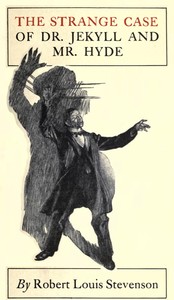
このガイドの対象
あらすじの記憶から、根拠、close reading、解釈、thesis へ進むために使ってください。
- AP English Literature
- SAT Reading and IB English
- evidence-based literary essays
- close reading and thesis practice
1. Quick Review
- Original title: Strange Case of Dr. Jekyll and Mr. Hyde
- Author: Robert Louis Stevenson
- Published: 1886
- Source: Project Gutenberg eBook #43
- Genre: Gothic novella, psychological fiction
- Core themes: Duality, Repression, Respectability, Documents
- Exam focus: plot structure, character motive, symbolism, diction, irony, and ending interpretation
2. 試験用プロット構造
1. The door, the will, and the name Hyde
Utterson は Hyde の話を聞き、その名前を Jekyll の遺言と結びつけ、扉を秘密の象徴として読み始めます。
2. Hyde's violence and Jekyll's silence
Hyde の暴力が強まる一方で、Jekyll は曖昧に答えます。エッセイでは Hyde の行動と同じくらい Jekyll の沈黙が重要です。
3. Close reading のための重要原文パッセージ
これらの Passage は、覚えやすい名文を並べただけではありません。どれも close reading の練習点です。話者、場面、diction、syntax、image、tone、theme を結びつけて読む必要があります。AP Lit、SAT Reading、IB English、学校エッセイでは、短い引用も「その言葉が場面と作品全体の意味をどう変えるか」まで説明して初めて根拠になります。
各 Passage は三段階で読みます。まず literal situation を確認します。次に意味の強い語句やイメージを印づけます。最後に、その観察を essay claim に変えます。目的は plot summary ではなく、quotation から commentary へ進むことです。
Context、Close reading、Essay use は英語の試験語彙を残しています。解説部分では、その英語表現をどう理解し、どのように答案へ使うかを日本語で補います。
Passage 1: I incline to Cain's heresy
“I incline to Cain’s heresy,” he used to say quaintly: “I let my brother go to the devil in his own way.”
文脈: Utterson is introduced through tolerant noninterference.
Close reading: The biblical allusion makes restraint morally uneasy: civility can become refusal to intervene.
エッセイでの使い方: Use it for point of view, delayed action, and respectable silence.
Passage 2: the sinister door
The door, which was equipped with neither bell nor knocker, was blistered and distained.
文脈: The first chapter pauses over the neglected back entrance tied to Hyde.
Close reading: Physical detail turns architecture into moral evidence, a wound in a polished street.
エッセイでの使い方: Use it for setting as symbol: reputation depends on hidden entrances.
Passage 3: Hyde is not easy to describe
He is not easy to describe. There is something wrong with his appearance; something displeasing, something down-right detestable.
文脈: Enfield tries to describe Hyde after the trampling incident.
Close reading: The repeated vagueness shows moral deformity being felt before it is visually understood.
エッセイでの使い方: Use it for diction, dehumanization, and the limits of language.
Passage 4: the will and disappearance
In case of Dr. Jekyll’s “disappearance or unexplained absence,” the said Edward Hyde should step into the said Henry Jekyll’s shoes.
文脈: Utterson studies Jekyll’s disturbing will.
Close reading: Legal phrasing makes identity, property, and bodily absence administratively real.
エッセイでの使い方: Use it for documents, foreshadowing, and public consequences of secrecy.
Passage 5: ape-like fury
And next moment, with ape-like fury, he was trampling his victim under foot and hailing down a storm of blows.
文脈: A maid witnesses Hyde murder Sir Danvers Carew.
Close reading: The simile strips Hyde of civilized manners while violent verbs make repression visible.
エッセイでの使い方: Use it for degeneration imagery and the turn from private vice to public crime.
Passage 6: sinner and sufferer
If I am the chief of sinners, I am the chief of sufferers also.
文脈: Jekyll tries to explain himself while withholding the full truth.
Close reading: Balanced syntax blends confession with self-pity, making guilt compete with victimhood.
エッセイでの使い方: Use it for unreliable self-presentation and the ethics of confession.
Passage 7: the end of Henry Jekyll
Here then, as I lay down the pen and proceed to seal up my confession, I bring the life of that unhappy Henry Jekyll to an end.
文脈: Jekyll closes the final written confession.
Close reading: Sealing a document becomes symbolic death; testimony replaces the missing body.
エッセイでの使い方: Use it for endings, document structure, and the collapse of divided identity.
4. Close Reading の手順
Strange Case of Dr. Jekyll and Mr. Hyde は、何が起きたかだけでなく、誰が知り、誰が疑い、誰が聞かないことを選ぶかを読む作品です。door、will、letter、confession、fog が、Victorian respectability の裏側を見せます。
Step 1: 誰が知り、誰が疑い、誰が聞かないかを確認する
Utterson は調査者であり、同時に紳士社会の沈黙も守ります。知識、疑い、不干渉の境界を読みます。
Step 2: architecture を moral evidence として読む
不気味な door、laboratory、front house、back entrance は人格の分裂を建物にします。表通りと裏口の関係が respectability と appetite を示します。
Step 3: vague moral diction を印づける
evil、deformity、disgust、something wrong のような曖昧な語は、Hyde を正確に描けない恐怖を示します。
Step 4: documents と delayed explanation を追う
遺言、手紙、封印された証言、最後の confession は真相を遅らせます。document structure が秘密の管理を見せます。
Step 5: doubling を respectability と結びつける
Jekyll と Hyde は善悪の単純な分離ではありません。尊敬される医師の中に隠れた欲望があるからこそ、double が機能します。
Step 6: observation を claim に変える
Stevenson は door、fog、documents、Hyde の描写を通して、社会的な尊敬が欲望を消すのではなく、見えない場所へ押し込むことがあると示します。
Worked example: the sinister door
最初の door は、表の紳士的な London と隠れた Hyde の暴力をつなぐ moral map です。怪物性は外から来るのではなく、尊敬される家の構造の中にあります。
5. Literary Devices が重要な理由
Stevenson の技法は謎解きを遅らせるだけではありません。doors、fog、documents、animal imagery、balanced syntax が、public gentleman と hidden appetite の関係を具体化します。
Symbolism: doors and divided architecture
door と建物の分裂は、社会的な顔と隠れた行為の分離を示します。
Vague diction: evil beyond description
Hyde は具体的に何が醜いのか説明されにくい人物です。その曖昧さが moral revulsion を作ります。
Gothic setting: fog, night, and hidden movement
fog と night は、見えにくい欲望と犯罪を支える setting です。
Document structure: mystery solved by sealed testimony
sealed documents によって、真相は一直線に示されず、後から組み立てられます。
Foreshadowing: legal phrases that make absence possible
遺言や失踪の legal language は、まだ起きていない不在を先に準備します。
Animal imagery and simile: Hyde as dehumanized violence
ape-like などの imagery は Hyde を人間性からずらしますが、Jekyll の内側の暴力を外部化したい欲望も見せます。
Biblical allusion: Cain and respectable noninterference
Cain への allusion は、brotherhood と責任回避を呼び込みます。
Balanced syntax: sinner and sufferer
Jekyll の自己説明は、罪人であることと苦しむ者であることを同時に置きます。
Contrast: public gentleman and hidden appetite
Jekyll の名声と Hyde の暴力の contrast は、尊敬される生活の内側にある欲望を露出します。
6. 人物分析をエッセイ用の言葉に変える
人物分析は性格リストではありません。文学エッセイでは、人物は desire、fear、social expectation、moral conflict、self-deception、change を背負う存在です。強い答案は、人物、技法、テーマを同じ論理で結びます。
書く前に四つを確認します。
- Role: その人物は作品内で何を担うか
- Pressure: どんな欲望、恐れ、規則が人物を動かすか
- Device: 作者はどの技法で人物を見せるか
- Essay sentence: どんな claim を支えられるか
Jekyll functions as a respectable self split by desire, and Stevenson's use of doubled identity reveals the violence hidden beneath social reputation.
以下のカードは、人物メモを evidence を伴う essay claim に変えるための出発点です。
Henry Jekyll
尊敬される科学者であり分裂した自己
Jekyll tries to separate reputation from appetite, but the experiment exposes the impossibility of escaping responsibility.
Edward Hyde
解放された欲望と道徳的暴力
Hyde begins as release and becomes domination.
Gabriel Utterson
弁護士で慎重な調査者
Utterson's caution makes him humane but also slow to confront horror.
Dr. Lanyon
啓示に壊される理性的証人
Lanyon's collapse shows how the transformation breaks rational certainty.
7. Thesis Builder
A strong thesis connects a specific scene, a literary technique, and the meaning of the whole work.
Duality
Divided Self
Weak: Jekyll has two sides.
Strong: Stevenson turns Jekyll’s theory that “man is not truly one” into a gothic plot, showing that a divided self becomes destructive when one part is excused from responsibility.
Repression
Pressure and Return
Weak: Repression is important.
Strong: Hyde’s growth after being “long caged” shows repression as pressure: the hidden appetite returns more violently because Jekyll names it as someone else.
Respectability
Social Mask
Weak: Victorian society is strict.
Strong: Utterson’s discretion, Jekyll’s dinner-table charm, and the respectable house front reveal a culture that protects reputation even when reputation hides harm.
Documents
Delayed Truth
Weak: Letters matter.
Strong: The will, Lanyon’s narrative, and Jekyll’s sealed confession make truth arrive through papers only after living speech and social trust have failed.
8. SAT Reading Sample
以下は公式問題ではなく、SAT Reading 型の練習用です。問題文と選択肢は英語のまま残し、Answer label は英語試験で確認しやすい形にしています。解説では、どのように本文の根拠を作品全体の意味へつなげるかを確認してください。
Question 1
Enfield's refusal to ask questions mainly suggests that Victorian discretion can:
- A. prove that no crime has occurred
- B. make Hyde vanish from the plot
- C. protect social peace while delaying moral truth
- D. turn Utterson into an omniscient narrator
Answer: C. ここでは単なる筋ではなく、次の推論が求められています: Enfield's rule against questions keeps gentlemanly order intact, but it also lets troubling facts remain unexamined. A and B overstate what discretion can do, and D misstates Utterson's limited point of view. 他の選択肢は、本文で支えにくい一般化、単なる筋の確認、または作品全体の主題から外れる読みです。
Question 2
The neglected door most strongly functions to:
- A. make hidden corruption visible in architecture
- B. give real-estate information
- C. prove Jekyll is poor
- D. interrupt the mystery with comedy
Answer: A. 本文の局所的な根拠から次の解釈へ進める点が決め手です: The door's damage and lack of normal social access make the building itself suggest hidden disorder. B treats the detail as practical, C invents a class claim, and D ignores the Gothic mood. 他の選択肢は、本文で支えにくい一般化、単なる筋の確認、または作品全体の主題から外れる読みです。
Question 3
The repeated inability to describe Hyde emphasizes:
- A. a failure of memory
- B. a medical diagnosis
- C. Hyde's skill with disguises
- D. moral revulsion beyond visual description
Answer: D. 正解は、言葉・構成・主題のつながりを次のように押さえます: Witnesses cannot give a precise visual account, but their disgust is consistent, so the scene makes moral deformity felt before it is defined. A and B make the problem too ordinary, and C invents disguise. 他の選択肢は、本文で支えにくい一般化、単なる筋の確認、または作品全体の主題から外れる読みです。
Question 4
In the will, "disappearance or unexplained absence" creates suspense because it:
- A. settles inheritance calmly
- B. uses legal language to normalize a frightening possibility
- C. proves Utterson wrote it
- D. severs Jekyll from Hyde
Answer: B. この選択肢は、場面の働きを次のように最も正確にまとめます: The legal phrasing makes a bizarre future absence sound administratively prepared. A ignores the menace, C invents authorship, and D misses that the will links Jekyll and Hyde rather than separating them. 他の選択肢は、本文で支えにくい一般化、単なる筋の確認、または作品全体の主題から外れる読みです。
Question 5
Hyde's "ape-like fury" most clearly develops which idea?
- A. servants misunderstand science
- B. Carew provokes Hyde
- C. unrestrained desire appears as dehumanizing violence
- D. Utterson solves the case
Answer: C. ここでは単なる筋ではなく、次の推論が求められています: The simile links Hyde's violence to dehumanized impulse, making repression visible as brutality. A misdirects the scene toward servants, B blames the victim, and D brings in an investigation that has not solved the murder. 他の選択肢は、本文で支えにくい一般化、単なる筋の確認、または作品全体の主題から外れる読みです。
Question 6
Jekyll's "chief of sinners" and "chief of sufferers" mainly reveals:
- A. guilt mixed with self-pity
- B. comic comfort
- C. a complete legal confession
- D. rejection of religious language
Answer: A. 本文の局所的な根拠から次の解釈へ進める点が決め手です: The balanced phrase admits guilt while also asking to be seen as a victim. B ignores the anguish, C overstates how much he reveals at that moment, and D misses the religious diction. 他の選択肢は、本文で支えにくい一般化、単なる筋の確認、または作品全体の主題から外れる読みです。
Question 7
The final sealed confession changes the novella by:
- A. making Enfield the judge
- B. removing earlier documents
- C. showing Hyde narrates everything
- D. turning mystery into retrospective self-explanation
Answer: D. 正解は、言葉・構成・主題のつながりを次のように押さえます: Jekyll's statement explains the events readers have seen only through rumors, documents, and Utterson's limited investigation. A and B misstate the document chain, and C gives Hyde the wrong narrative role. 他の選択肢は、本文で支えにくい一般化、単なる筋の確認、または作品全体の主題から外れる読みです。
Question 8
Utterson's professional caution affects the plot because it:
- A. exposes Jekyll immediately
- B. delays confrontation while preserving social order
- C. turns law into romance
- D. ignores every document
Answer: B. この選択肢は、場面の働きを次のように最も正確にまとめます: Utterson investigates through legal habits, restraint, and documents, which slows revelation while keeping the language of respectability intact. A is too immediate, C is irrelevant, and D contradicts his attention to the will. 他の選択肢は、本文で支えにくい一般化、単なる筋の確認、または作品全体の主題から外れる読みです。
Question 9
Jekyll's house front and laboratory entrance support the claim that:
- A. Jekyll owns one room
- B. Hyde is unrelated to property
- C. setting maps reputation against hidden experiment
- D. London is decorative
Answer: C. ここでは単なる筋ではなく、次の推論が求められています: The respectable front and sinister access point spatialize the split between public identity and hidden experiment. A and B shrink the architecture, and D misses how London setting carries meaning. 他の選択肢は、本文で支えにくい一般化、単なる筋の確認、または作品全体の主題から外れる読みです。
Question 10
Lanyon's collapse after the transformation implies that:
- A. he always hated Utterson
- B. he never believed science
- C. Jekyll's confession is unnecessary
- D. some knowledge destroys the worldview receiving it
Answer: D. 正解は、言葉・構成・主題のつながりを次のように押さえます: Lanyon's worldview cannot absorb the transformation, so knowledge itself becomes fatal. A invents motive, B misstates his scientific role, and the confession remains necessary for readers. 他の選択肢は、本文で支えにくい一般化、単なる筋の確認、または作品全体の主題から外れる読みです。
Question 11
Which evidence best supports an essay on delayed truth?
- A. the will, Lanyon's narrative, and Jekyll's statement
- B. the child's family gathering
- C. Hyde walking quickly
- D. Sunday walks
Answer: A. 本文の局所的な根拠から次の解釈へ進める点が決め手です: Those three documents control the order of disclosure and force readers to revise earlier scenes. B, C, and D are details, but they do not organize delayed truth. 他の選択肢は、本文で支えにくい一般化、単なる筋の確認、または作品全体の主題から外れる読みです。
Question 12
London fog and night streets most often create:
- A. cheerful society
- B. geographic realism only
- C. moral uncertainty and hidden movement
- D. rejection of gothic conventions
Answer: C. ここでは単なる筋ではなく、次の推論が求められています: Fog and night limit visibility, making the city a place where secrets and movements are only partly seen. A contradicts the mood, B is too narrow, and D ignores Stevenson's Gothic method. 他の選択肢は、本文で支えにくい一般化、単なる筋の確認、または作品全体の主題から外れる読みです。
Question 13
Jekyll's "devil" being "long caged" suggests:
- A. Hyde is only an animal with no link to Jekyll
- B. repression increases the force of return
- C. Utterson controls the experiment
- D. Lanyon caused the change
Answer: B. この選択肢は、場面の働きを次のように最も正確にまとめます: The phrase implies that suppressing desire has intensified its later release. A separates Hyde too fully from Jekyll, and C and D assign control to the wrong characters. 他の選択肢は、本文で支えにくい一般化、単なる筋の確認、または作品全体の主題から外れる読みです。
Question 14
The absence of women helps present respectable male society as:
- A. openly nurturing
- B. less powerful than rumor
- C. irrelevant to conflict
- D. a closed network of secrecy and surveillance
Answer: D. 正解は、言葉・構成・主題のつながりを次のように押さえます: The plot moves through male lawyers, doctors, friends, witnesses, and sealed papers, making respectability a closed system. A softens the network, B misstates rumor's role, and C denies the pattern. 他の選択肢は、本文で支えにくい一般化、単なる筋の確認、または作品全体の主題から外れる読みです。
Question 15
Hyde's smaller body matters because it:
- A. represents a stunted form of denied desire
- B. adds realism
- C. proves youth
- D. prevents violence
Answer: A. 本文の局所的な根拠から次の解釈へ進める点が決め手です: Jekyll's account links Hyde's smaller form to the underdeveloped, long-repressed side of himself. B is too literal, C mistakes symbolism for age, and D contradicts Hyde's violence. 他の選択肢は、本文で支えにくい一般化、単なる筋の確認、または作品全体の主題から外れる読みです。
Question 16
The ending forces readers to reconstruct truth because:
- A. the narrator forgets
- B. events happen in public
- C. explanation waits for sealed documents
- D. Hyde gives courtroom testimony
Answer: C. ここでは単なる筋ではなく、次の推論が求められています: The crucial explanations arrive through Lanyon's and Jekyll's sealed accounts, so readers must reinterpret earlier evidence. A and B misstate the structure, and D invents a courtroom scene. 他の選択肢は、本文で支えにくい一般化、単なる筋の確認、または作品全体の主題から外れる読みです。
Question 17
Enfield's trampling story first presents Hyde's violence as:
- A. a private dream
- B. a political argument
- C. a laboratory experiment
- D. a social scandal managed by a crowd
Answer: D. 正解は、言葉・構成・主題のつながりを次のように押さえます: The trampling becomes public scandal because witnesses and family pressure force compensation, introducing Hyde through social management of violence. A and C misplace the event, and B makes it political instead of social. 他の選択肢は、本文で支えにくい一般化、単なる筋の確認、または作品全体の主題から外れる読みです。
Question 18
Jekyll's central error is that he:
- A. believes he can separate pleasure from responsibility
- B. never desires anything
- C. confesses too early
- D. refuses experiments
Answer: A. 本文の局所的な根拠から次の解釈へ進める点が決め手です: Jekyll imagines he can isolate desire in Hyde while preserving his respectable self, but consequence returns to him. B denies motive, C reverses the delay, and D contradicts the experiment. 他の選択肢は、本文で支えにくい一般化、単なる筋の確認、または作品全体の主題から外れる読みです。
Question 19
"Step into Jekyll's shoes" is unsettling because it makes:
- A. clothing the main symbol
- B. friendship stronger
- C. replacement of identity sound like legal transfer
- D. Utterson indifferent
Answer: C. ここでは単なる筋ではなく、次の推論が求められています: The idiom turns personal identity into something that can be administratively transferred to Hyde. A literalizes the phrase, B makes the will comforting, and D ignores Utterson's alarm. 他の選択肢は、本文で支えにくい一般化、単なる筋の確認、または作品全体の主題から外れる読みです。
Question 20
Which evidence best supports public respectability hiding disorder?
- A. Enfield's rule alone
- B. Jekyll's respectable front and sinister laboratory access
- C. Walton's letters
- D. Carew's title alone
Answer: B. この選択肢は、場面の働きを次のように最も正確にまとめます: The divided house gives the essay concrete architectural evidence for a public/private split. A and D are too narrow by themselves, and C belongs to Frankenstein, not this novella. 他の選択肢は、本文で支えにくい一般化、単なる筋の確認、または作品全体の主題から外れる読みです。
9. AP Lit Essay Questions
Use these AP Lit-style practice questions to turn a scene into a thesis, outline, and evidence-based commentary.
Essay Question 1
Analyze how the opening walk with Utterson and Enfield turns a London doorway into a symbol of hidden moral life. Discuss setting, rumor, and one detail of description.
Essay Question 2
Utterson’s habit of restraint can look humane, evasive, or both. Explain how Stevenson uses Utterson’s caution to shape the pace and ethics of the mystery.
Essay Question 3
Hyde is repeatedly described through failed description. Analyze how imprecise physical language makes evil socially and morally recognizable before it is named.
Essay Question 4
Discuss how Jekyll’s will turns a private psychological conflict into a legal and public problem. Use the document’s language and its effect on Utterson.
Essay Question 5
Carew’s murder changes Hyde from scandalous figure to public criminal. Analyze how violent imagery changes the reader’s understanding of repression.
Essay Question 6
Choose one architectural space: the door, the house front, the laboratory, the window, or the cabinet. Explain how Stevenson makes space carry psychological meaning.
Essay Question 7
Lanyon’s narrative is delayed until late in the novella. Analyze how this structural delay affects suspense, credibility, and the meaning of scientific knowledge.
Essay Question 8
Jekyll’s confession both admits guilt and tries to control interpretation. Analyze the tension between confession and self-defense in his final statement.
Essay Question 9
The novella treats reputation as social currency. Explain how respectability protects Jekyll and slows moral recognition.
Essay Question 10
Analyze the role of documents in the ending. How do the will, Lanyon’s statement, and Jekyll’s confession change the reader from detective into interpreter?
Essay Question 11
Compare Hyde’s trampling of the child with the murder of Carew. How does Stevenson escalate private cruelty into public horror?
Essay Question 12
Discuss how religious language, such as Cain, sin, devil, and damnation, complicates the scientific surface of the plot.
Essay Question 13
The novella imagines freedom as tempting but dangerous. Analyze how Jekyll’s desire for release becomes a loss of agency.
Essay Question 14
Explain how London fog, night, and by-streets externalize secrecy without simply decorating the plot.
Essay Question 15
How does the absence of women in the central investigation shape the novella’s picture of male friendship, secrecy, and social authority?
Essay Question 16
Analyze Jekyll and Hyde as a doubled character without reducing Hyde to a simple villain. What does the double reveal about responsibility?
Essay Question 17
Choose a moment when a character refuses to ask a question. Explain how silence or discretion becomes an active force in the plot.
Essay Question 18
The ending destroys Jekyll but not the social habits that protected him. Defend or challenge this reading with evidence from two parts of the novella.
Essay Question 19
Analyze the symbolic importance of names in the novella: Jekyll, Hyde, Utterson, or the unnamed “well-known” name on the cheque.
Essay Question 20
Write an essay on how Stevenson turns mystery form into moral argument. Connect narrative structure to divided identity.
10. Model Thesis Bank
Use these as models, then adapt them to the exact question.
- Stevenson uses the neglected door in a bright commercial street to show how respectable London depends on hidden entrances for disowned desires.
- Utterson’s cautious narration turns social discretion into literary structure, delaying truth because respectable friendship resists accusation.
- Hyde’s indescribable appearance makes evil a problem of perception: characters feel moral deformity before they can translate it into language.
- Jekyll’s will transforms private secrecy into legal danger, proving that divided identity has public consequences before the science is explained.
- The Carew murder shows repression returning as spectacle, as Hyde’s “ape-like fury” makes hidden appetite violently visible.
- Jekyll’s house maps divided identity, with the polished social front and damaged laboratory entrance separating reputation from experiment.
- Lanyon’s collapse suggests that knowledge can be fatal when it destroys the categories by which a person has organized reality.
- Jekyll’s final confession admits guilt while still narrating himself as a sufferer, making confession a form of self-defense.
- The novella’s documents reveal truth only after speech fails, turning letters and sealed statements into machinery of moral exposure.
- Hyde is not an external villain but Jekyll’s fantasy of consequence-free action given a body and a name.
- Stevenson presents repression as pressure rather than cure: the longer Jekyll cages Hyde, the more violently Hyde returns.
- Utterson’s loyalty is morally double because it expresses friendship while protecting the silence that enables Jekyll’s destruction.
- Gothic atmosphere externalizes uncertainty, making fog and nighttime streets reflect the characters’ refusal to see clearly.
- Jekyll’s experiment fails because it separates identity from responsibility, not because the desire for knowledge is inherently evil.
- The absence of women makes male respectability appear as a closed system of surveillance, secrecy, and delayed judgment.
- Religious diction gives the scientific plot moral weight, framing Jekyll’s chemical experiment as sin, temptation, and accountability.
- Hyde’s smaller body symbolizes a stunted moral self: powerful in appetite but underdeveloped in conscience and relation.
- The sealed ending makes readers assemble truth from fragments, so reading mirrors the work’s divided identities.
- Stevenson’s mystery structure exposes a culture more comfortable managing scandal than confronting the self that produces it.
- Jekyll’s tragedy lies in believing that naming his desire Hyde can free him from being answerable for Hyde’s acts.
11. エッセイ用アカデミック語彙
- diction: word choice that shapes tone and meaning
- irony: a gap between appearance and reality
- symbolism: an object, image, or action carrying larger meaning
- narrative structure: the arrangement of events and perspectives
- foil: a character who clarifies another through contrast
- motif: a repeated image, word, or situation
- moral agency: the ability to choose and bear responsibility
- social pressure: force created by class, reputation, money, law, or family
- self-deception: a character's refusal to recognize an uncomfortable truth
- consequence: the cost or result of an action