不思議の国のアリス 学習ガイド — AP Lit、SAT Reading、Close Reading、エッセイ練習
AP English Literature、SAT Reading、IB English、学校エッセイのための実用ガイド。重要パッセージ、文学技法、問題、論点例を整理。
この学習ガイドは英語版をもとに翻訳されており、今後さらに調整される場合があります。
このガイドは、不思議の国のアリスについて本文根拠を使って話す必要がある学習者向けです。先に全体の筋を確認したい場合は、メイン記事から始めてください。
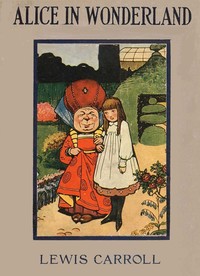
このガイドの使い方
このページは、筋の記憶から学術的な主張へ進むためのものです: textual evidence → close reading → interpretation → thesis。
- 試験で使いやすい段階に筋を整理する
- 短い引用を解釈へ変える
- 文学技法を論点と段落に接続する
- SAT形式の読解問題とAP Lit形式のエッセイを練習する
1. Quick Review
- Original title: Alice's Adventures in Wonderland
- Author: Lewis Carroll
- Published: 1865
- Source: Project Gutenberg eBook #11
- Genre: nonsense fantasy, Victorian children's literature
- Core themes: Logic, Identity, Language, Power
- Exam focus: plot structure, character motive, symbolism, diction, irony, and ending interpretation
2. 試験用の筋の構造
1. 白ウサギと日常の下への落下
アリスは退屈な日常から、時計を持つ白ウサギを追って穴へ入ります。これは単なる冒険の始まりではなく、好奇心が普通の規則から不安定な論理へ物語を移す場面です。
エッセイでは、動機、圧力、象徴が交わる場面として扱います。
2. 大きさの変化と自己の問題
飲む、縮む、食べる、大きくなる。この身体の不安定さは、成長、制御、自己理解の問題になります。
3. Close Reading のための重要原文
これらの Passage は、覚えやすい名文を並べただけではありません。どれも close reading の練習点です。話者、場面、diction、syntax、image、tone、theme を結びつけて読む必要があります。AP Lit、SAT Reading、IB English、学校エッセイでは、短い引用も「その言葉が場面と作品全体の意味をどう変えるか」まで説明して初めて根拠になります。
各 Passage は三段階で読みます。まず literal situation を確認します。次に意味の強い語句やイメージを印づけます。最後に、その観察を essay claim に変えます。目的は plot summary ではなく、quotation から commentary へ進むことです。
Context、Close reading、Essay use は英語の試験語彙を残しています。解説部分では、その英語表現をどう理解し、どのように答案へ使うかを日本語で補います。
Passage 1: the Rabbit takes out a watch
when the Rabbit actually took a watch out of its waistcoat-pocket, and looked at it, and then hurried on, Alice started to her feet
文脈: Alice sees the White Rabbit turn animal behavior into social urgency. この場面は出来事だけでなく言葉の働きとして読むと使いやすいです。
読み方: The ordinary verbs of looking and hurrying make fantasy begin through a tiny violation of everyday expectation. 重要なのは、語句が場面にどんな圧力を生むかを説明することです。
エッセイでの使い方: Use this for essays about curiosity, threshold scenes, and how Carroll makes nonsense enter through familiar details. 短く引用し、作品全体の主張へ広げます。
Passage 2: falling slowly enough to wonder
Either the well was very deep, or she fell very slowly, for she had plenty of time as she went down to look about her and to wonder what was going to happen next.
文脈: The rabbit-hole fall stretches an accident into a thinking scene. この場面は出来事だけでなく言葉の働きとして読むと使いやすいです。
読み方: The balanced alternatives make descent feel comic, measured, and mentally active rather than purely frightening. 重要なのは、語句が場面にどんな圧力を生むかを説明することです。
エッセイでの使い方: Use this to discuss narrative pacing and the way Wonderland begins by changing the rules of time and perception. 短く引用し、作品全体の主張へ広げます。
Passage 3: Who in the world am I?
But if I'm not the same, the next question is, Who in the world am I? Ah, that's the great puzzle!
文脈: After changing size, Alice tries to determine whether she is still herself. この場面は出来事だけでなく言葉の働きとして読むと使いやすいです。
読み方: The question turns identity from a stable fact into a puzzle produced by bodily change and failed memory. 重要なのは、語句が場面にどんな圧力を生むかを説明することです。
エッセイでの使い方: Use this for essays on childhood, selfhood, education, and unstable knowledge. 短く引用し、作品全体の主張へ広げます。
Passage 4: schoolroom knowledge goes wrong
Let me see: four times five is twelve, and four times six is thirteen, and four times seven is--oh dear! I shall never get to twenty at that rate!
文脈: Alice tests herself with lessons after wondering whether she has become someone else. この場面は出来事だけでなく言葉の働きとして読むと使いやすいです。
読み方: The arithmetic error makes learned knowledge feel fragile inside a world whose rules keep sliding. 重要なのは、語句が場面にどんな圧力を生むかを説明することです。
エッセイでの使い方: Use this for arguments about education, memory, and the comic failure of adult systems. 短く引用し、作品全体の主張へ広げます。
Passage 5: the Cheshire Cat defines local madness
We're all mad here. I'm mad. You're mad.
文脈: The Cheshire Cat explains Wonderland by making madness a shared condition. この場面は出来事だけでなく言葉の働きとして読むと使いやすいです。
読み方: The repetition converts an insult into a rule of place, making irrationality sound calmly logical. 重要なのは、語句が場面にどんな圧力を生むかを説明することです。
エッセイでの使い方: Use this in a paragraph about nonsense as order rather than mere chaos. 短く引用し、作品全体の主張へ広げます。
Passage 6: the tea table refuses room
No room! No room! they cried out when they saw Alice coming. There's plenty of room! said Alice indignantly, and she sat down in a large arm-chair at one end of the table.
文脈: Alice enters the Mad Tea-Party and confronts social exclusion disguised as etiquette. この場面は出来事だけでなく言葉の働きとして読むと使いやすいです。
読み方: The contrast between the cry and the visible empty space exposes manners as performance and gatekeeping. 重要なのは、語句が場面にどんな圧力を生むかを説明することです。
エッセイでの使い方: Use this for essays about conversation, etiquette, and social rules that do not serve sense. 短く引用し、作品全体の主張へ広げます。
Passage 7: sentence before verdict
No, no! said the Queen. Sentence first--verdict afterwards.
文脈: The trial reverses legal order at the moment when authority should become most rational. この場面は出来事だけでなく言葉の働きとして読むと使いやすいです。
読み方: The clipped reversal makes law sound like grammar turned inside out, exposing judgment without evidence. 重要なのは、語句が場面にどんな圧力を生むかを説明することです。
エッセイでの使い方: Use this for essays about arbitrary power, legal satire, and Alice's final resistance. 短く引用し、作品全体の主張へ広げます。
4. Close Reading の手順
Alice's Adventures in Wonderland の close reading は、「ふつうの規則」が少しだけ壊れる瞬間から始めます。白うさぎ、涙の池、暗唱、クロッケー、裁判は、子どもの夢であると同時に、大人社会のルールがどれほど不安定かを試す場面です。
Step 1: 乱されている ordinary rule を名づける
時間を守る、礼儀正しく会話する、授業で暗唱する、ゲームにルールがある、裁判では証拠を聞く。まず、その場面が前提にしている規則を確認します。
Step 2: Alice が rule をどう試すかを見る
Alice は驚くだけでなく、質問し、計算し、言い返し、名前やサイズを確かめようとします。彼女が混乱に負けているのか、混乱した制度を観察しているのかを分けます。
Step 3: logic words と rule words を印づける
therefore、because、must、ought、sentence、evidence、rule のような語に注目します。もっともらしい論理語が多いほど、実際の論理が空洞化している場合があります。
Step 4: reversal、repetition、broken sequence を見る
原因と結果が逆になる、同じ言葉が戻る、順序が飛ぶ。nonsense は単なる冗談ではなく、学校・裁判・礼儀の形式が中身を失う様子を見せます。
Step 5: physical change を idea に変える
Alice の体の変化は、成長の不安だけでなく、場所に合わない identity、声の大きさで変わる authority、社会規則に合わせられない身体を示します。
Step 6: observation を claim に変える
「nonsense が面白い」ではなく、キャロルは nonsense を使って、証拠なしの権威や暗記だけの教育が理性を装う危険を示す、と claim にします。
Worked example: the Queen's courtroom
女王の裁判では court、sentence、evidence の語がそろっているのに、判決が証拠より先に来ます。形式は正義の保証ではなく、権力の気分を飾る道具になります。Alice がそれを見抜くため、子どもの常識が大人の制度的 absurdity を裁く場面になります。
5. Literary Devices が重要な理由
この作品の技法は、夢の奇妙さを飾るだけではありません。objects、size、school lessons、games、dialogue が社会の規則をずらし、「正しい」とされる形式を疑わせます。
Symbolism: objects that smuggle in social rules
時計、鍵、瓶、扇、トランプは、時間・入口・命令・身分・ゲームの規則を持ち込みます。物が動くたびに、Alice は別の制度へ入れられます。
Scale imagery: growing up made physical
大きすぎる身体は空間を壊し、小さすぎる身体は声を弱めます。size imagery は identity が環境との関係で揺れることを見せます。
Parody: school lessons turned inside out
暗唱や教訓詩は正しい知識の形をまねながら内容を崩します。覚えることと理解することの違いが笑いになります。
Repetition: nonsense pretending to be order
反復は秩序を作るのではなく、意味の空回りを露出します。帽子屋の会話や裁判の命令は、進んでいるようで進みません。
Dialogue and wordplay: conversation as a trap
登場人物は会話をしているようで、言葉の定義や音のずれに Alice を閉じ込めます。wordplay は意味を支配する力の問題になります。
Satire: authority without evidence
女王や王の命令は大きな声を持ちますが、根拠を持ちません。authority が evidence より先に立つ世界を、キャロルは滑稽にします。
Motif: games with no stable rules
クロッケーやカードの世界では、遊びの規則が途中で変わります。game motif は、公平に見える競争が気まぐれに支配される危うさを示します。
Frame narrative: dream logic and real-world testing
夢の枠は何でもありにするだけでなく、学校・裁判・礼儀という現実の制度を安全な距離から試す形式です。
Contrast: child reason against adult absurdity
Alice は完璧ではありませんが、質問し続けます。その child reason が、大人たちの根拠のない規則を照らし出します。
6. 人物分析をエッセイ用の言葉に変える
人物分析は性格リストではありません。文学エッセイでは、人物は desire、fear、social expectation、moral conflict、self-deception、change を背負う存在です。強い答案は、人物、技法、テーマを同じ論理で結びます。
書く前に四つを確認します。
- Role: その人物は作品内で何を担うか
- Pressure: どんな欲望、恐れ、規則が人物を動かすか
- Device: 作者はどの技法で人物を見せるか
- Essay sentence: どんな claim を支えられるか
Alice functions as a questioning child-reader, and Carroll's use of nonsense logic reveals how language and authority can become unstable systems.
以下のカードは、人物メモを evidence を伴う essay claim に変えるための出発点です。
Alice
questioning child and active interpreter
Alice is polite enough to recognize rules but curious enough to test them. Her growth comes from noticing contradictions instead of accepting nonsense as authority.
Essay sentence: Carroll makes Alice an active interpreter whose questions turn Wonderland from a dream landscape into a critique of adult rules.
White Rabbit
anxious guide into social time
The White Rabbit does not explain Wonderland; he imports hurry, schedule, rank, and panic into it. His watch makes the fantastic world feel oddly bureaucratic.
Essay sentence: The White Rabbit turns curiosity into pursuit, showing how a tiny social detail can pull Alice away from ordinary childhood space.
Cheshire Cat
logic reduced to a grin
The Cat answers questions by exposing the assumptions inside them. Its disappearing body and remaining grin make identity feel detachable and unstable.
Essay sentence: Through the Cheshire Cat, Carroll makes direction depend on purpose, not merely on movement through a strange world.
Queen of Hearts
arbitrary command as government
The Queen's repeated threats reveal authority as volume, costume, and habit rather than justice. Her court keeps forms of order while emptying them of reason.
Essay sentence: The Queen of Hearts satirizes power by showing command without judgment and punishment without evidence.
Mad Hatter
conversation without arrival
The Hatter keeps language moving while blocking communication. The tea-party turns politeness into a loop of interruptions, riddles, and stalled time.
Essay sentence: The Mad Hatter shows that conversation can perform intelligence while refusing shared meaning.
7. Thesis Builder
Logic
Logic under pressure
Weak: The book is illogical.
Strong: Carroll uses almost-logical exchanges, from the Cheshire Cat to the trial, to show that systems can sound rational while abandoning purpose.
Identity
Body and self
Weak: Alice changes size a lot.
Strong: Alice's changing body makes identity a practical crisis, because memory, language, and social recognition no longer confirm who she is.
Language
Words misbehave
Weak: There are puns in the book.
Strong: Carroll's wordplay turns language into both a toy and a trap, forcing readers to notice how meaning depends on context.
Power
Authority as performance
Weak: The Queen is mean.
Strong: The Queen's court preserves the costume of law while reversing evidence and judgment, making arbitrary authority comic and frightening at once.
8. SAT Reading Sample
以下は公式問題ではなく、SAT Reading 型の練習用です。問題文と選択肢は英語のまま残し、Answer label は英語試験で確認しやすい形にしています。解説では、どのように本文の根拠を作品全体の意味へつなげるかを確認してください。
Question 1
When Alice notices the Rabbit's waistcoat pocket and watch, which choice best explains the function of the detail?
- A. It makes the Rabbit seem realistic instead of strange.
- B. It treats the watch as a random decoration unrelated to the scene.
- C. It makes the fantastic begin through a small, precise break in ordinary reality.
- D. It says the character already understands the conflict completely.
Answer: C. ここでは単なる筋ではなく、次の推論が求められています: The watch is a precise Victorian object placed in an animal's waistcoat pocket, so the fantasy begins through a tiny violation of ordinary life. A and B ignore that structural threshold, and D overstates Alice's understanding at the start. 他の選択肢は、本文で支えにくい一般化、単なる筋の確認、または作品全体の主題から外れる読みです。
Question 2
In the rabbit-hole fall, the narration says Alice has time to look around and wonder. What does this pacing imply?
- A. The fall is less a sudden accident than a suspended passage into a new logic.
- B. It presents the event as ordinary danger with no change in logic.
- C. It focuses only on physical movement and ignores pacing.
- D. It argues that the scene gives a realistic map of the setting.
Answer: A. 本文の局所的な根拠から次の解釈へ進める点が決め手です: The narration stretches the fall long enough for Alice to observe and speculate, turning danger into a thinking passage. The other choices flatten the odd pacing into realism or pure motion. 他の選択肢は、本文で支えにくい一般化、単なる筋の確認、または作品全体の主題から外れる読みです。
Question 3
When Alice asks who she is after changing size, what is the best inference?
- A. It says identity remains fixed and unquestioned.
- B. It treats the change as only a visual gag.
- C. It replaces the question with a fact about another character.
- D. Physical change has made identity feel uncertain rather than merely inconvenient.
Answer: D. 正解は、言葉・構成・主題のつながりを次のように押さえます: Alice's question turns bodily change into a crisis of self-knowledge. A and B miss the pressure of "Who in the world am I?", while C leaves the scene's speaker and problem behind. 他の選択肢は、本文で支えにくい一般化、単なる筋の確認、または作品全体の主題から外れる読みです。
Question 4
Alice's broken arithmetic after her size change mainly suggests what about school knowledge?
- A. It claims school knowledge solves the problem immediately.
- B. Memorized lessons lose authority when the world no longer follows expected rules.
- C. It says the passage praises memorization without irony.
- D. It ignores the wording and focuses only on location.
Answer: B. この選択肢は、場面の働きを次のように最も正確にまとめます: The mistaken multiplication shows that schoolroom facts cannot stabilize Alice once Wonderland's logic has shifted. A and C make the scene too confident, and D ignores the arithmetic language. 他の選択肢は、本文で支えにくい一般化、単なる筋の確認、または作品全体の主題から外れる読みです。
Question 5
In the pool of tears episode, what is the effect of Alice nearly drowning in her own tears?
- A. It makes Alice's tears disappear as soon as she regrets crying.
- B. It treats emotion as a minor background prop.
- C. A private emotion becomes a public environment she must physically navigate.
- D. It turns the scene into a lesson about weather rather than feeling.
Answer: C. ここでは単なる筋ではなく、次の推論が求められています: The pool literalizes emotion: Alice's tears become a physical space that threatens her. A, B, and D all reduce the scene's image to a prop, a vanishing feeling, or external weather. 他の選択肢は、本文で支えにくい一般化、単なる筋の確認、または作品全体の主題から外れる読みです。
Question 6
The Mouse's offended reaction to Alice's talk of cats mainly reveals what?
- A. It claims every speaker shares the same assumptions.
- B. It shows Alice deliberately trying to frighten the Mouse.
- C. It ignores fear and treats the exchange as neutral.
- D. Ordinary conversation fails because each creature brings a different history and fear to language.
Answer: D. 正解は、言葉・構成・主題のつながりを次のように押さえます: Alice speaks casually about cats, but the Mouse hears danger, so the same words carry different histories for different listeners. A assumes shared context, B invents hostile intent, and C misreads the exchange as neutral. 他の選択肢は、本文で支えにくい一般化、単なる筋の確認、または作品全体の主題から外れる読みです。
Question 7
In the caucus race, everyone runs and everyone wins. What does the scene satirize?
- A. It praises the procedure as an efficient system of justice.
- B. Official procedures that imitate fairness while producing no meaningful standard.
- C. It treats motion itself as proof of meaningful order.
- D. It says the scene has no relation to social rules.
Answer: B. この選択肢は、場面の働きを次のように最も正確にまとめます: The race borrows the form of a public procedure, but "everyone wins" empties competition and judgment of standards. A accepts the procedure too easily, and C and D miss the satire of rule-making. 他の選択肢は、本文で支えにくい一般化、単なる筋の確認、または作品全体の主題から外れる読みです。
Question 8
The Caterpillar's repeated question most directly pressures Alice to do what?
- A. Define herself in a world where size, memory, and language keep changing.
- B. It ignores the pressure created by repetition.
- C. It claims the scene is only about physical appearance.
- D. It says the question gives a simple factual answer.
Answer: A. 本文の局所的な根拠から次の解釈へ進める点が決め手です: "Who are you?" sounds simple, but repetition turns it into an identity test after Alice's body and memory have become unreliable. B and C underread the pressure, and D treats the question as easier than the scene allows. 他の選択肢は、本文で支えにくい一般化、単なる筋の確認、または作品全体の主題から外れる読みです。
Question 9
Alice's failed recitations are best read as evidence that Wonderland does what?
- A. It proves Alice has permanently forgotten every lesson she learned.
- B. It treats memory as stable and fully reliable.
- C. It ignores the distortion of familiar language.
- D. It turns schoolroom certainty into verbal instability and comic doubt.
Answer: D. 正解は、言葉・構成・主題のつながりを次のように押さえます: The warped recitations show familiar school language slipping out of shape, so knowledge becomes comic evidence of uncertainty. A overstates the failure, B denies it, and C ignores the poem-and-lesson distortions. 他の選択肢は、本文で支えにくい一般化、単なる筋の確認、または作品全体の主題から外れる読みです。
Question 10
In the Duchess's kitchen, noise, pepper, and violence create what tone?
- A. It describes the setting as peaceful domestic comfort.
- B. It focuses only on objects and ignores violence.
- C. Domestic absurdity mixed with menace, making home life feel socially deranged.
- D. It says the tone is solemn and realistic throughout.
Answer: C. ここでは単なる筋ではなく、次の推論が求められています: The pepper, shouting, and thrown objects turn a domestic room into comic danger. A and D misstate the tone, while B notices objects without explaining their menace. 他の選択肢は、本文で支えにくい一般化、単なる筋の確認、または作品全体の主題から外れる読みです。
Question 11
The Cheshire Cat's claim that everyone is mad primarily functions to do what?
- A. Normalize Wonderland's irrationality and make Alice question her own standards.
- B. It says the exchange removes all uncertainty.
- C. It treats disorder as a rare exception.
- D. It ignores the calm logic of the claim.
Answer: A. 本文の局所的な根拠から次の解釈へ進める点が決め手です: The Cat presents madness as the condition of the place, using calm repetition to make irrationality sound logical. B removes the scene's uncertainty, and C and D miss how the claim works. 他の選択肢は、本文で支えにくい一般化、単なる筋の確認、または作品全体の主題から外れる読みです。
Question 12
At the Mad Tea-Party, the cry "No room!" despite visible room mainly shows what?
- A. It claims the characters make a truthful statement about space.
- B. Social exclusion can be performed through empty rules and false etiquette.
- C. It ignores the protagonist response to exclusion.
- D. It says politeness works normally in the scene.
Answer: B. この選択肢は、場面の働きを次のように最も正確にまとめます: The visible empty space makes the repeated "No room!" a social performance, not a factual claim. A and D trust the etiquette too much, and C misses Alice's indignant challenge. 他の選択肢は、本文で支えにくい一般化、単なる筋の確認、または作品全体の主題から外れる読みです。
Question 13
The Hatter's broken relation to Time helps develop which idea?
- A. It shows that the Hatter controls time successfully.
- B. It treats time as a normal clock mechanism only.
- C. It says the scene resolves conversation into agreement.
- D. Conversation and schedule can become trapped when rules lose human purpose.
Answer: D. 正解は、言葉・構成・主題のつながりを次のように押さえます: The endless tea-time turns schedule into imprisonment, so conversation circles without progress. A invents mastery, B reduces Time to clockwork, and C invents agreement where the scene offers stasis. 他の選択肢は、本文で支えにくい一般化、単なる筋の確認、または作品全体の主題から外れる読みです。
Question 14
The croquet game, with living mallets and moving arches, best illustrates what?
- A. Authority becomes arbitrary when even the game's basic materials refuse stability.
- B. It describes the game or system as stable and fair.
- C. It focuses on surface play and ignores coercion.
- D. It claims authority has no influence over the scene.
Answer: A. 本文の局所的な根拠から次の解釈へ進める点が決め手です: Croquet should depend on rules and equipment, but the flamingos and hedgehogs keep moving, making authority unstable at the material level. B, C, and D miss how the game exposes coercive disorder. 他の選択肢は、本文で支えにくい一般化、単なる筋の確認、または作品全体の主題から外れる読みです。
Question 15
The card soldiers painting roses red imply what about the Queen's rule?
- A. It says the performance is purely decorative.
- B. Power encourages concealment and performance because mistakes are punished irrationally.
- C. It ignores fear of punishment as a motive.
- D. It treats the image as separate from authority.
Answer: B. この選択肢は、場面の働きを次のように最も正確にまとめます: The gardeners repaint the roses because a small mistake could bring violent punishment, so the image links fear to performance. A treats the action as decoration, and C and D detach it from power. 他の選択肢は、本文で支えにくい一般化、単なる筋の確認、または作品全体の主題から外れる読みです。
Question 16
In the trial, "Sentence first--verdict afterwards" has what effect?
- A. It reverses legal sequence to expose judgment detached from evidence.
- B. It treats the phrase as harmless wordplay only.
- C. It claims the institution follows proper sequence.
- D. It says evidence fully controls judgment.
Answer: A. 本文の局所的な根拠から次の解釈へ進める点が決め手です: The Queen's order puts punishment before judgment, turning legal language into a parody of justice. C and D claim the opposite of the line, while B misses the institutional satire. 他の選択肢は、本文で支えにくい一般化、単なる筋の確認、または作品全体の主題から外れる読みです。
Question 17
Alice growing during the trial mainly changes the scene by doing what?
- A. It makes Alice disappear from the courtroom conflict.
- B. It says the character becomes less able to resist.
- C. It focuses only on the body and ignores interpretation.
- D. Her physical growth supports intellectual resistance to the court's authority.
Answer: D. 正解は、言葉・構成・主題のつながりを次のように押さえます: As Alice grows, her body visually matches her increasing refusal to accept the court's nonsense. A removes her from the scene, B reverses the change, and C isolates physical size from its interpretive effect. 他の選択肢は、本文で支えにくい一般化、単なる筋の確認、または作品全体の主題から外れる読みです。
Question 18
When Alice calls the court a pack of cards, what does the wording accomplish?
- A. It names the artificial nature of power and breaks the dream's authority.
- B. It treats naming as increasing the illusion power.
- C. It says the wording hides rather than reveals artificiality.
- D. It ignores the connection between recognition and release.
Answer: A. 本文の局所的な根拠から次の解釈へ進める点が決め手です: Naming the court as cards exposes its constructed nature, and the illusion collapses once Alice recognizes it. B, C, and D all miss the connection between language, recognition, and release. 他の選択肢は、本文で支えにくい一般化、単なる筋の確認、または作品全体の主題から外れる読みです。
Question 19
The dream frame at the end most strongly suggests what?
- A. It says the ending erases every question raised earlier.
- B. Fantasy has tested real-world rules rather than becoming meaningless once Alice wakes.
- C. It treats the frame as unrelated to real rules.
- D. It claims imagination is rejected entirely.
Answer: B. この選択肢は、場面の働きを次のように最も正確にまとめます: The waking frame does not cancel Wonderland; it sends Alice back with ordinary rules newly questioned. A and D overstate erasure, and C separates the dream from the social habits it has tested. 他の選択肢は、本文で支えにくい一般化、単なる筋の確認、または作品全体の主題から外れる読みです。
Question 20
Across the novel, Alice's questions mainly make her what kind of figure?
- A. It presents the protagonist as passive and uninterested.
- B. It says questions weaken rather than sharpen agency.
- C. An active reader of systems who refuses to accept confusion without testing it.
- D. It ignores repeated testing of language and rules.
Answer: C. ここでは単なる筋ではなく、次の推論が求められています: Alice repeatedly tests language, manners, bodies, games, and law instead of accepting confusion as final. A and B make her passive, and D ignores the pattern of questioning that structures the book. 他の選択肢は、本文で支えにくい一般化、単なる筋の確認、または作品全体の主題から外れる読みです。
9. AP Lit Essay Questions
以下の prompt は、あらすじではなく具体的な場面を根拠に文学的主張を組み立てる練習です。
Essay Question 1
Analyze how the rabbit-hole descent changes ordinary space into a test of perception. Your essay should connect pacing, curiosity, and the first break from realistic logic.
Essay Question 2
Alice's body repeatedly changes size, but the novel treats those changes as more than visual comedy. Explain how scale becomes a way to examine identity and control.
Essay Question 3
Discuss how the pool of tears turns private feeling into a shared, physical environment. How does the scene complicate the boundary between emotion and social experience?
Essay Question 4
The caucus race has rules, motion, and winners, yet seems purposeless. Analyze how Carroll uses this scene to satirize official procedure.
Essay Question 5
In the Caterpillar scene, questions unsettle rather than clarify Alice. Explain how repetition and dialogue shape the novel's idea of self-knowledge.
Essay Question 6
Alice's failed recitations distort familiar poems and lessons. Analyze how misremembering becomes a critique of education and authority.
Essay Question 7
The Duchess's kitchen combines domestic imagery with violence and nonsense. Explain how the scene turns the home into social satire.
Essay Question 8
The Cheshire Cat gives directions by questioning Alice's purpose. Analyze how the scene links direction, desire, and interpretation.
Essay Question 9
The Mad Tea-Party is structured around interruption rather than progress. Discuss how time, manners, and conversation become comic forms of disorder.
Essay Question 10
Choose one animal figure and explain how Carroll uses it to transform a familiar social role into something strange or critical.
Essay Question 11
The Queen of Hearts commands through repetition and threat. Analyze how her language creates power while also making that power ridiculous.
Essay Question 12
The croquet game turns play into punishment. Explain how unstable rules reveal the danger of arbitrary authority.
Essay Question 13
The card soldiers suggest costume, flatness, and performance. Analyze how card imagery contributes to the novel's satire of hierarchy.
Essay Question 14
The trial scene imitates legal order while reversing evidence and judgment. Explain how Carroll uses legal form to expose illogic.
Essay Question 15
Alice often corrects others, but she is also confused. Discuss how the novel makes interpretation a process of trial, error, and resistance.
Essay Question 16
Many Wonderland scenes are funny and anxious at the same time. Choose one scene and analyze how comedy preserves a sense of threat.
Essay Question 17
Compare the book's dream structure with a conventional coming-of-age plot. What kind of growth does Alice experience, and what kind does she refuse?
Essay Question 18
Analyze how Carroll uses syntax, repetition, or punning to make language unstable. Use at least two scenes rather than isolated jokes.
Essay Question 19
The ending wakes Alice from Wonderland but does not erase the experience. Explain how the final frame changes the reader's understanding of fantasy.
Essay Question 20
Write an essay on Alice as a reader of rules. How do her questions turn Wonderland into an argument about authority, language, and childhood?
10. Model Thesis Bank
- Carroll uses the White Rabbit's watch to make fantasy begin as a small social detail, suggesting that Wonderland grows out of ordinary adult anxieties about time and duty.
- The rabbit-hole descent slows falling into observation, turning a physical accident into a model for how readers enter nonsense by watching its rules form.
- Alice's changing size makes identity depend on proportion, memory, and recognition rather than on a fixed inner certainty.
- The pool of tears externalizes Alice's emotion, showing that private feeling in Wonderland becomes an environment with social consequences.
- The Mouse episode reveals that language fails when speakers ignore the histories and fears their words awaken in others.
- The caucus race satirizes institutions that preserve motion and ceremony while abandoning meaningful standards of fairness.
- Alice's failed school recitations turn education into unstable performance, showing how memorized knowledge collapses when context changes.
- The Caterpillar's questions make selfhood argumentative, forcing Alice to define herself through response rather than possession.
- The Duchess's kitchen transforms nursery imagery into social disorder, exposing domestic authority as noisy, violent, and absurd.
- Through the Cheshire Cat, Carroll argues that direction is meaningless without purpose, even in a world full of roads and signs.
- The Mad Tea-Party uses interruption and stalled time to show that etiquette can become a ritual of exclusion rather than communication.
- The Hatter's riddling speech turns intelligence into obstruction, suggesting that clever language can block understanding as easily as create it.
- The Queen's repeated threats expose power as performance: command works because others react before judgment has any rational basis.
- The croquet game converts play into coercion, revealing how arbitrary systems punish participants for instability the system itself creates.
- The card soldiers' painted roses show subjects hiding error under performance because authority values appearance over truth.
- The trial scene preserves legal vocabulary while reversing legal logic, making the court a comic image of judgment without justice.
- Alice's growth during the trial links physical scale to intellectual confidence, allowing her to resist the court by naming its artificiality.
- The phrase "pack of cards" breaks the spell of power by reducing royal authority to flat, playable objects.
- The dream frame does not cancel Wonderland; it lets Carroll test real institutions through fantasy and return those questions to waking life.
- Alice becomes the reader's model for active interpretation because she questions rules without pretending she fully understands them.
11. Academic Vocabulary for Essays
- diction: 語の選択が調子と意味を作ること
- irony: 見かけと現実のずれ
- symbolism: より大きな意味を持つ物、イメージ、行動
- narrative structure: 出来事と視点の配置
- foil: 対照によって別の人物を明確にする人物
- motif: 繰り返されるイメージ、語、状況
- moral agency: 選択し責任を負う力
- social pressure: 階級、評判、法、家族が作る圧力
- self-deception: 不快な真実を認めないこと
- consequence: 行為の結果や代償