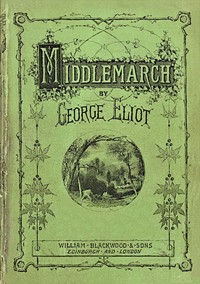
Guía de estudio de Middlemarch - AP Lit, SAT Reading, lectura cercana y ensayo
Guía práctica para AP English Literature, SAT Reading, IB English y ensayos escolares, con pasajes clave, recursos literarios, preguntas y tesis.
Esta guia de estudio se traduce a partir del original en ingles y puede refinarse con el tiempo.
Usa esta guía para convertir la memoria de la trama en evidencia textual, lectura cercana, interpretación y tesis. Si necesitas el resumen completo primero, empieza por el artículo principal.
Para quién es esta guía
El objetivo es pasar de recordar la trama a construir un argumento académico con evidencia.
- organize the plot into exam-ready stages
- connect textual evidence to close reading
- practice SAT-style inference, function, tone, vocabulary, and structure
- build AP Lit essay claims with scene-specific evidence
1. Repaso rápido
- Original title: Middlemarch: A Study of Provincial Life
- Author: George Eliot
- Published: 1871-1872
- Source: Project Gutenberg eBook #145
- Genre: realist social novel
- Core themes: sympathy, marriage, vocation, money, reputation, ordinary influence
- Exam focus: narrative structure, character motive, symbolism, diction, irony, and ending interpretation
2. Estructura de la trama para exámenes
1. Idealism seeks a form
Dorothea wants a life of moral use and mistakes Casaubon's dry scholarship for spiritual greatness.
2. Vocation meets the social web
Lydgate arrives with medical ambition, but marriage, debt, reputation, and Bulstrode's power gradually compromise him.
3. Sympathy becomes action
Dorothea's growth appears most clearly when she sees Rosamond with compassion despite pain and misunderstanding.
4. The ending values hidden influence
The finale measures lives by quiet effects, not by public fame or heroic achievement.
3. Pasajes originales clave para close reading
Estos pasajes no son solo citas memorables. Cada uno funciona como un punto de práctica para close reading: situación, hablante, dicción, sintaxis, imagen, tono y tema deben leerse juntos. En AP Lit, SAT Reading, IB English y ensayos escolares, una cita breve solo sirve si puedes explicar cómo sus palabras cambian el sentido de la escena y de la obra completa.
Lee cada pasaje en tres pasos. Primero, ubica la situación literal. Segundo, marca palabras o imágenes cargadas de sentido. Tercero, convierte esa observación en una afirmación defendible. El objetivo es pasar de quotation a commentary sin quedarse en resumen de trama.
Las notas de Context, Close reading y Essay use mantienen los términos de práctica en inglés porque el examen y el ensayo se escriben en inglés. La explicación en español te ayuda a entender qué función cumple cada línea y cómo usarla como evidencia.
Passage 1: Miss Brooke and social vision
Miss Brooke had that kind of beauty which seems to be thrown into relief by poor dress.
Contexto: The opening presents Dorothea through a social gaze that admires her while already judging her austerity.
Lectura cercana: The sentence joins beauty to restraint. Eliot makes appearance a moral problem from the first line, because Dorothea is read by others before she can define herself.
Uso en ensayo: Use this for characterization, narrative distance, or essays on how social perception shapes identity.
Passage 2: Dorothea's ethical question
What do we live for, if it is not to make life less difficult to each other?
Contexto: Dorothea moves from private suffering toward an ethic of practical sympathy.
Lectura cercana: The rhetorical question turns morality away from abstraction and toward daily burden-sharing. The phrase "less difficult" makes goodness modest, concrete, and demanding.
Uso en ensayo: Use this in essays about sympathy, maturity, or the novel's definition of useful goodness.
Passage 3: moral stupidity
We are all of us born in moral stupidity, taking the world as an udder to feed our supreme selves.
Contexto: The narrator generalizes from particular failures of sympathy to a shared human condition.
Lectura cercana: The blunt phrase "moral stupidity" refuses flattering psychology. The bodily metaphor makes egotism childish, hungry, and ordinary rather than monstrous.
Uso en ensayo: Use this for narrator commentary, irony, and claims about learning to see beyond the self.
Passage 4: Casaubon's dry labor
He had undertaken to show that all the mythical systems or erratic mythical fragments in the world were corruptions of a tradition originally revealed.
Contexto: Casaubon's project is introduced as enormous, abstract, and nearly impossible to complete.
Lectura cercana: The inflated scope of "all" and the heavy scholarly phrasing expose the gap between ambition and living insight. The sentence sounds impressive and airless at once.
Uso en ensayo: Use this to analyze failed vocation, sterile knowledge, or Dorothea's mistaken reverence.
Passage 5: Rosamond and interrupted art
It is always fatal to have music or poetry interrupted.
Contexto: A social scene turns taste, performance, and self-image into comedy and judgment.
Lectura cercana: The witty absolute "always fatal" exaggerates interruption into catastrophe, revealing a world where refinement can become vanity.
Uso en ensayo: Use this for tone, irony, Rosamond, or the novel's treatment of culture as social performance.
Passage 6: hidden influence
Her finely touched spirit had still its fine issues, though they were not widely visible.
Contexto: The finale measures Dorothea by influence rather than fame.
Lectura cercana: The repeated "fine" stresses delicacy and moral quality, while "not widely visible" challenges public measures of success. Eliot values effects that cannot be easily counted.
Uso en ensayo: Use this for ending interpretation and essays on gender, history, or moral legacy.
Passage 7: unhistoric acts
The growing good of the world is partly dependent on unhistoric acts.
Contexto: The narrator closes by valuing lives outside official records.
Lectura cercana: The phrase "growing good" makes history organic and collective, while "unhistoric acts" overturns heroic fame as the only measure of value.
Uso en ensayo: Use this as a concluding passage for essays about ordinary responsibility and the moral scale of the novel.
4. Procedimiento de Close Reading
Hacer close reading de Middlemarch significa ir despacio con la inteligencia moral de Eliot. La novela rara vez ofrece un villano simple o una heroína simple. En cambio, pregunta cómo motivos privados, estructuras sociales, matrimonio, dinero, religión y vocación se entrelazan. Un buen párrafo de examen muestra cómo una oración pasa del error o esperanza de una persona al web más amplio del pueblo.
Paso 1: Establece la situación literal
Ubica la escena dentro de la red social. ¿Dorothea interpreta la erudición de Casaubon antes del matrimonio? ¿Lydgate defiende su ambición médica? ¿Rosamond convierte el deseo en presión delicada? ¿Bulstrode intenta hacer que Providence sirva a la reputación? En Eliot, la situación literal incluye hogar, profesión, herencia, deuda y opinión pública alrededor del personaje.
Paso 2: Identifica la posición narrativa
Pregunta cómo guía el narrador el juicio. Eliot a menudo empieza cerca del pensamiento autojustificador de un personaje y luego amplía la vista para que los lectores vean lo que ese personaje no puede ver. Ese movimiento crea simpatía sin abandonar el juicio. En exámenes, nota si el narrador explica, califica, satiriza o amplía una perspectiva limitada.
Paso 3: Marca dicción cargada
Rodea palabras que cargan presión ética: "ardent", "petty", "moral stupidity", "web", "debt", "duty", "hidden", "unhistoric". La dicción de Eliot suele convertir la vida doméstica ordinaria en investigación moral. Explica por qué una palabra juzga un hábito mental, no solo una acción aislada.
Paso 4: Nota sintaxis y tono
Las oraciones largas de Eliot suelen calificarse a sí mismas. Una oración puede empezar con simpatía, añadir contexto social y terminar exponiendo error. Esta sintaxis importa porque la novela enseña a resistir juicios rápidos. Cuando una oración equilibra dos verdades, usa ese balance como evidencia.
Paso 5: Conecta imagen con abstracción
Sigue cómo las imágenes vuelven visible la relación. El web convierte vidas privadas en interdependencia. La erudición seca de Casaubon convierte ambición intelectual en esterilidad. El refinamiento de drawing-room de Rosamond puede ocultar coerción. La influencia final "hidden" de Dorothea se vuelve imagen ética de una bondad que la historia no registra.
Paso 6: Convierte observación en claim
Termina con una claim que nombre la lectura equivocada local y el patrón moral más amplio. Evita "Eliot shows sympathy" por sí solo. Una claim más fuerte explica cómo la simpatía se vuelve difícil: los personajes deben aprender a imaginar a otras personas como plenamente reales, incluso cuando matrimonio, ambición, reputación o dinero hacen incómodo ese trabajo.
Ejemplo trabajado: "the growing good of the world"
- Situación literal: el final mide la vida de Dorothea no por grandeza pública, sino por los efectos de sus elecciones en otras vidas.
- Posición narrativa: el narrador se mueve más allá de la resolución de la trama hacia reflexión moral, pidiendo valorar una influencia que los registros no cuentan fácilmente.
- Recurso: Eliot usa abstracción, contraste y la frase "unhistoric acts" para oponer historia pública a consecuencia ética silenciosa.
- Interpretación: el final rechaza la idea de que una vida importe solo por la fama. La bondad de Dorothea es real porque entra en otras vidas, aunque permanezca dispersa.
- Claim: Al terminar con influencia oculta en lugar de triunfo público, Eliot convierte el idealismo decepcionado de Dorothea en un argumento más amplio: el valor moral suele trabajar mediante actos ordinarios y relacionales.
Usa el mismo método con Casaubon's Key, la ambición profesional de Lydgate, el encanto autoprotector de Rosamond, la franqueza de Mary o el lenguaje religioso de Bulstrode. En cada caso, pasa de la oración local a la gran pregunta de Eliot: ¿qué tan bien puede una persona imaginar la realidad de otra?
5. Por qué importan los Literary Devices
Los recursos de Eliot importan porque Middlemarch es una novela sobre percepción. Las personas sufren cuando se leen mal a sí mismas, leen mal el matrimonio, leen mal la vocación o leen mal a quienes tienen cerca. Para AP Lit, SAT Reading, IB English y ensayos escolares, los devices permiten explicar cómo la novela convierte la vida provincial ordinaria en un estudio de imaginación moral.
Omniscient narration: simpatía con juicio
El narrador de Eliot puede entrar en los motivos de un personaje y luego ampliarse más allá de ellos. Evidencia de escena: la reverencia de Dorothea por Casaubon es comprensible desde su hambre de propósito, pero el narrador permite ver la sequedad de la vida en la que entra. Uso en ensayo: argumenta que la omniscience crea complejidad ética porque la novela pide entender el error sin excusarlo.
Metaphor: el social web
La metáfora del web da estructura a la novela. Evidencia de escena: la deuda de Fred daña a los Garth; el matrimonio de Lydgate afecta su vocación médica; el pasado de Bulstrode se extiende hacia escándalo público. Uso en ensayo: usa la metáfora para mostrar que Eliot rechaza el análisis aislado de personajes. Cada decisión privada tiene consecuencias relacionales.
Irony: lenguaje noble, realidad limitada
Eliot coloca a menudo ideales nobles junto a hechos poco románticos. Evidencia de escena: Dorothea imagina el trabajo de Casaubon como gran servicio intelectual, pero el matrimonio expone estrechez, celos y labor estéril. Uso en ensayo: explica cómo la ironía critica la falsa idealización sin burlarse del deseo de Dorothea de vivir con sentido.
Diction: "moral stupidity"
La frase nombra un fracaso de imaginación, no simple ignorancia. Evidencia de escena: los personajes centran una y otra vez su propio dolor, ambición o respetabilidad hasta que las necesidades de otra persona se vuelven secundarias. Uso en ensayo: esta dicción sirve para ensayos sobre simpatía porque convierte la ética en acto de percepción.
Symbolism: Casaubon's Key
La Key to All Mythologies inacabada de Casaubon simboliza una totalización estéril. Evidencia de escena: el proyecto promete explicación completa pero no produce insight vivo y se convierte en fuente de frialdad matrimonial. Uso en ensayo: usa el símbolo para contrastar construcción de sistemas muertos con la simpatía práctica creciente de Dorothea.
Foil: Dorothea y Rosamond
Dorothea y Rosamond iluminan formas distintas de deseo. Evidencia de escena: Dorothea quiere una vocación más grande que ella, mientras Rosamond imagina a menudo el matrimonio como refinamiento, estatus y comodidad personal. Uso en ensayo: el foil evita simplificar: ambas mujeres están limitadas por reglas de género, pero responden de manera distinta.
Free indirect style: autoengaño desde dentro
Eliot suele dejar que el razonamiento de un personaje suene persuasivo antes de revelar sus límites. Evidencia de escena: el vocabulario religioso de Bulstrode puede hacer que la autoprotección parezca deber providencial; la confianza de Lydgate puede hacer que el compromiso parezca temporal. Uso en ensayo: analiza el free indirect style para mostrar cómo la novela representa el autoengaño como proceso interno, no solo como defecto externo.
Setting: vida provincial como laboratorio moral
Middlemarch no es fondo; es el sistema de presión. Evidencia de escena: gossip, herencia, rivalidad profesional, política eclesiástica y mercado matrimonial moldean las elecciones de Dorothea, Lydgate, Fred, Mary, Rosamond y Bulstrode. Uso en ensayo: usa el setting para argumentar que Eliot prueba el idealismo dentro de instituciones cotidianas, no en aislamiento heroico.
Motif: vocación y propósito frustrado
Los personajes buscan repetidamente un trabajo que justifique su vida. Evidencia de escena: Dorothea quiere utilidad espiritual, Lydgate reforma médica, Fred debe aprender labor honrada y Casaubon confunde acumulación con vocación. Uso en ensayo: sigue el motif para mostrar que la novela juzga el propósito por su efecto en otras personas, no por la intensidad de la ambición.
6. Convertir análisis de personajes en lenguaje de ensayo
El análisis de personajes no es una lista de rasgos. Un personaje importa porque carga presión: deseo, miedo, regla social, conflicto moral, autoengaño o cambio. Un ensayo fuerte conecta personaje, técnica y tema.
Antes de escribir, usa cuatro preguntas:
- Role: ¿qué función cumple el personaje?
- Pressure: ¿qué deseo, miedo o regla lo presiona?
- Device: ¿cómo lo presenta el autor?
- Essay sentence: ¿qué claim puede sostener?
Dorothea functions as an idealist learning moral proportion, and Eliot's web of intersecting plots reveals how private choices shape communal life.
Las tarjetas siguientes convierten notas de personaje en claims listos para desarrollar con evidencia textual.
Dorothea Brooke
idealism learning sympathy
Dorothea begins with a hunger for moral greatness, but the Casaubon marriage teaches her that aspiration without accurate vision can become self-deception.
Essay sentence: Dorothea's movement from revering Casaubon to recognizing Rosamond's pain shows Eliot redefining greatness as disciplined sympathy rather than grand self-sacrifice.
Tertius Lydgate
vocation under pressure
Lydgate brings real professional ambition to Middlemarch, yet he underestimates debt, marriage, reputation, and his own pride.
Essay sentence: Lydgate's decline shows that a vocation can fail gradually when talent lacks the practical and moral conditions needed to survive social pressure.
Rosamond Vincy
fantasy and self-protection
Rosamond is not merely vain; she has trained herself to treat elegance, admiration, and comfort as proof that life is going correctly.
Essay sentence: Rosamond turns refinement into resistance, making domestic beauty a way to deny the costs of Lydgate's vocation.
Will Ladislaw
living responsiveness
Will contrasts with Casaubon because he represents movement, conversation, and a present-tense life rather than sterile accumulation.
Essay sentence: Will functions less as romantic rescue than as a measure of Dorothea's growing ability to choose living mutuality over dead reverence.
7. Thesis Builder
Sympathy
From feeling to moral attention
Weak: Sympathy is important.
Strong: Eliot presents sympathy not as softness but as the disciplined effort to see another person accurately when pride, pain, or social habit makes misreading easier.
Marriage
Intimacy as interpretation
Weak: Marriage is important.
Strong: Through Dorothea and Casaubon and Lydgate and Rosamond, Middlemarch treats marriage as a test of whether people can read one another beyond fantasy.
Vocation
Ambition under ordinary pressure
Weak: Vocation is important.
Strong: Lydgate's plot shows that vocation is not protected by talent alone; it must survive money, reputation, domestic conflict, and self-knowledge.
Ordinary influence
Unhistoric moral value
Weak: Ordinary influence is important.
Strong: The finale turns away from public greatness and asks readers to value hidden acts whose influence is real precisely because it spreads quietly.
8. SAT Reading Sample
Estas son preguntas de práctica estilo SAT, no preguntas oficiales de College Board. Cada una se basa en una escena, pasaje o recurso recurrente de la obra.
Question 1
In a passage about Dorothea first reads Casaubon as a great scholar, Which choice best states the narrator's main purpose in presenting Dorothea's admiration for Casaubon before the marriage?
- A. To prove that Dorothea is interested only in wealth and social rank
- B. To suggest that Casaubon deliberately pretends to be younger than he is
- C. To show how a sincere hunger for meaning can misread intellectual dryness as greatness
- D. To shift the novel from realism into a comic courtship plot
Answer: C. The passage turns Dorothea's reverence into dramatic irony: her idealism is real, but the object she chooses cannot answer it.
Question 2
In a passage about the Rome honeymoon, In a passage describing Dorothea's loneliness in Rome, what can the reader most reasonably infer?
- A. Art and history intensify Dorothea's sense that her marriage is spiritually empty
- B. The narrator treats Rome as irrelevant decoration
- C. Dorothea secretly wishes to return to Sir James Chettam at once
- D. Casaubon has decided to abandon his scholarly project entirely
Answer: A. The setting is not ornamental. Rome makes the contrast between living culture and Casaubon's dead scholarship painful.
Question 3
In a passage about Lydgate entering Middlemarch society, The tone of a passage about Lydgate's early confidence is best described as
- A. bitterly dismissive, because Lydgate is treated as incompetent from the start
- B. purely nostalgic, because medical science is shown as already lost
- C. openly celebratory, because the town immediately accepts reform
- D. admiring but cautionary, because talent is shown before the social pressures that will test it
Answer: D. Eliot lets readers respect Lydgate's ambition while seeing the limits of confidence without social self-knowledge.
Question 4
In a passage about Rosamond imagining married life with Lydgate, Which interpretation of Rosamond's language about refinement and position is most supported by the scene?
- A. It proves that Rosamond understands Lydgate's medical vocation deeply
- B. It reveals how romantic language can hide practical fantasies of status
- C. It shows that Rosamond rejects all forms of social recognition
- D. It makes Rosamond a simple villain with no emotional complexity
Answer: B. Rosamond's words make desire look delicate, but the scene shows how strongly she imagines marriage as social elevation.
Question 5
In a passage about Casaubon's Key to All Mythologies, The unfinished scholarly project mainly functions as a symbol of
- A. the town's successful educational reform
- B. knowledge cut off from living sympathy and practical use
- C. Dorothea's hidden desire to become a historian
- D. Will Ladislaw's political future
Answer: B. The Key gathers Casaubon's sterility: it aims at total explanation but cannot produce living insight.
Question 6
In a passage about Fred Vincy harming the Garths through debt, Which detail would best support an inference that Fred's immaturity has real ethical consequences?
- A. The narrator ignores the financial effects of his choices
- B. His charm makes conversation easier at parties
- C. Mary Garth refuses to speak plainly to him
- D. His unpaid obligation damages Caleb Garth rather than remaining a private inconvenience
Answer: D. The scene matters because debt spreads harm. Fred's weakness enters another household and becomes a moral problem.
Question 7
In a passage about Mary Garth correcting Fred, Mary's plain speech most strongly contributes to the passage by
- A. linking affection with moral clarity rather than indulgence
- B. making Fred's inheritance certain
- C. proving that Mary has no emotional attachment to Fred
- D. turning the novel into satire of rural education
Answer: A. Mary loves Fred without flattering him. Her language makes responsibility a condition of any future happiness.
Question 8
In a passage about Bulstrode confronted by Raffles, In a passage about Raffles returning, the structure mainly creates suspense by
- A. withholding all information about Bulstrode until the final page
- B. solving the scandal before the town hears of it
- C. placing a buried past against the public identity Bulstrode has built
- D. moving away from Bulstrode's public authority to unrelated comic scenes
Answer: C. The scene's pressure comes from collision: private history threatens public reputation.
Question 9
In a passage about Bulstrode using religious language to explain himself, Which choice best describes the effect of Bulstrode's religious diction?
- A. It makes Raffles responsible for Bulstrode's earlier choices
- B. It proves that the narrator accepts every part of his self-defense
- C. It removes financial motives from the scene
- D. It exposes how moral vocabulary can become a screen for self-interest
Answer: D. Eliot is interested in self-deception from the inside. The language of Providence can protect Bulstrode from full confession.
Question 10
In a passage about Lydgate receiving money from Bulstrode, What is the best inference from Lydgate's financial dependence in this scene?
- A. His professional skill has disappeared overnight
- B. Rosamond has solved the household's debts
- C. Even partial dependence on compromised power can damage public trust
- D. Middlemarch society never judges by appearances
Answer: C. The passage shows why innocence and reputation are not identical. Circumstance can make a person readable in damaging ways.
Question 11
In a passage about Dorothea learning of Casaubon's codicil, The codicil primarily reveals Casaubon's desire to
- A. extend control over Dorothea's living future after his death
- B. free Dorothea from social expectation
- C. honor Will Ladislaw as an heir
- D. confess that his scholarship has failed
Answer: A. The legal clause transforms jealousy into posthumous power, making property a tool of emotional control.
Question 12
In a passage about Dorothea visiting Rosamond, Which choice best states the function of the Dorothea and Rosamond scene?
- A. It turns both women into rivals fighting for public victory
- B. It shows sympathy as an active choice made under emotional pain
- C. It removes misunderstanding without requiring moral effort
- D. It proves that Will is the only character capable of honesty
Answer: B. Dorothea does not simply feel kindly. She acts against wounded pride and tries to see Rosamond truthfully.
Question 13
In a passage about the narrator's comment on moral stupidity, The phrase "moral stupidity" most nearly means
- A. a comic inability to remember names
- B. a lack of formal schooling in the town
- C. the human tendency to begin from self-centered perception
- D. the narrator's rejection of all moral judgment
Answer: C. The phrase names a shared limitation: people naturally treat their own needs as central until sympathy educates them.
Question 14
In a passage about Reform Bill politics and Mr. Brooke, A passage about Mr. Brooke's political talk most likely uses irony to show that
- A. public-minded language can collapse when it lacks discipline and knowledge
- B. political reform is impossible in any form
- C. Dorothea controls the election from behind the scenes
- D. the narrator prefers aristocratic silence to all reform
Answer: A. The irony is aimed at empty performance, not at reform itself. Brooke's vagueness exposes rhetoric without practice.
Question 15
In a passage about the provincial web of gossip, The social web imagery in a Middlemarch passage most strongly emphasizes that
- A. characters make choices in isolation
- B. the narrator refuses to connect separate plots
- C. the town is too simple to affect moral life
- D. private actions circulate through money, rumor, kinship, and reputation
Answer: D. The web is Eliot's structural principle. Lives are interdependent even when characters imagine themselves private.
Question 16
In a passage about Lydgate and Rosamond arguing over debt, Which statement best captures the passage's conflict?
- A. Both characters share the same idea of success but use different words
- B. Marriage exposes incompatible fantasies about vocation, comfort, and status
- C. The scene is only about furniture and has no symbolic force
- D. Rosamond fully accepts Lydgate's professional sacrifices
Answer: B. The argument is practical, but it reveals opposed interpretations of what their life together should mean.
Question 17
In a passage about Will Ladislaw as contrast to Casaubon, Will's presence most clearly functions to
- A. make Dorothea aware of responsiveness, present life, and mutual recognition
- B. prove that art is always superior to moral seriousness
- C. turn Casaubon into a comic hero
- D. remove Dorothea from the novel's ethical questions
Answer: A. Will is not just a romantic alternative. He clarifies what Casaubon's world lacks: warmth, exchange, and living attention.
Question 18
In a passage about Fred learning under Caleb Garth, Which answer best explains the importance of Fred's apprenticeship?
- A. It gives Fred instant social prestige
- B. It proves that inheritance is the only route to maturity
- C. It turns moral growth into ordinary work, reliability, and earned trust
- D. It lets Fred escape Mary's standards
Answer: C. Fred's improvement is deliberately undramatic. Work becomes the form his character education takes.
Question 19
In a passage about the finale on unhistoric acts, The phrase "unhistoric acts" helps the ending redefine greatness as
- A. the ability to avoid ordinary obligations
- B. quiet influence that changes lives without becoming spectacle
- C. public fame recorded by official history
- D. a complete rejection of Dorothea's moral aspiration
Answer: B. The finale values hidden influence. Dorothea's life matters through effects that history does not count.
Question 20
In a passage about the narrator judging several plots together, Why does Eliot move among Dorothea, Lydgate, Fred, Rosamond, and Bulstrode rather than keeping one protagonist alone?
- A. To avoid giving readers enough evidence for interpretation
- B. To make all characters morally identical
- C. To replace plot with unrelated episodes
- D. To show how different forms of misreading and responsibility illuminate one another
Answer: D. The multi-plot structure is analytical. Each life tests a different pressure on sympathy, vocation, marriage, and judgment.
9. AP Lit Essay Questions
Usa estos prompts para practicar cómo construir un argumento literario defendible desde escenas específicas, no solo desde resumen de trama.
Essay Question 1
Dorothea mistakes Casaubon's dryness for spiritual greatness. Analyze how Eliot turns this mistake into a critique of idealism that lacks practical sympathy.
Essay Question 2
Choose one Rome scene and explain how setting exposes the difference between living culture and dead accumulation of knowledge.
Essay Question 3
Analyze Casaubon's Key to All Mythologies as a symbol. How does the unfinished project shape the novel's treatment of vocation and sterility?
Essay Question 4
Compare Dorothea's first marriage with Lydgate's marriage. How do both plots dramatize misreading within intimacy?
Essay Question 5
Explain how Rosamond's language of refinement becomes a form of power. Use diction and one domestic conflict as evidence.
Essay Question 6
Analyze Lydgate's decline as a gradual erosion rather than a single fall. What social and personal pressures make the erosion believable?
Essay Question 7
How does money function as more than a practical problem in the novel? Discuss debt, dependence, or inheritance in two scenes.
Essay Question 8
Use Fred Vincy and Mary Garth to explain Eliot's idea of ordinary moral education. Why does apprenticeship matter structurally?
Essay Question 9
Analyze Mary Garth's plain speech as a literary device. How does clarity become an ethical force in a town full of self-deception?
Essay Question 10
Discuss Bulstrode's religious language. How does Eliot show the difference between conscience and self-protective interpretation?
Essay Question 11
Examine the Raffles plot as a test of public reputation. How does the return of the past change the meaning of Bulstrode's present authority?
Essay Question 12
Analyze the codicil in Casaubon's will as a symbol of posthumous control. What does it reveal about marriage, property, and jealousy?
Essay Question 13
Close-read the Dorothea and Rosamond scene. How does Eliot transform potential rivalry into an act of mutual recognition?
Essay Question 14
Discuss Will Ladislaw's structural role. How does he operate as more than a romantic alternative to Casaubon?
Essay Question 15
Analyze the narrator's direct commentary on sympathy or moral stupidity. How does commentary guide without flattening character complexity?
Essay Question 16
Explain how the Reform Bill background changes the scale of private plots. What does political language reveal about Mr. Brooke or the town?
Essay Question 17
Choose one recurring image of web, diffusion, or visibility and explain how it supports the novel's structure.
Essay Question 18
Defend a reading of Lydgate's ending. Is it punishment, realism, tragedy, or a critique of compromised vocation?
Essay Question 19
How does the finale redefine success through "unhistoric acts"? Connect Dorothea's ending to one other plot.
Essay Question 20
Write an essay on the relationship between sympathy and judgment in Middlemarch, using one scene of misunderstanding and one scene of recognition.
10. Model Thesis Bank
- Eliot uses Dorothea's mistaken reverence for Casaubon to argue that idealism becomes dangerous when it chooses an image of greatness over attentive knowledge of another person.
- The Rome honeymoon turns setting into diagnosis: against living art and history, Casaubon's scholarship appears sterile and Dorothea's marriage spiritually airless.
- Casaubon's Key to All Mythologies symbolizes intellectual ambition severed from human need, making failed scholarship a moral as well as academic problem.
- Lydgate's story shows that vocation requires more than talent; without financial humility and social self-knowledge, reform can be captured by the very world it hopes to improve.
- Rosamond's refinement is dangerous because it converts desire into aesthetic language, allowing practical selfishness to appear delicate and innocent.
- The Lydgate marriage exposes how two fantasies of success can inhabit one household until debt forces each fantasy into conflict with reality.
- Fred Vincy's apprenticeship gives the novel a quiet counterplot in which moral growth appears as work, reliability, and the willingness to be corrected.
- Mary Garth functions as a moral reader inside the novel, using plain speech to resist the sentimental evasions that trap Fred and others.
- Bulstrode's fall demonstrates that religious language can become a shelter for self-interest when confession would threaten money, authority, and reputation.
- Raffles makes the past visible, showing that private wrongdoing in Middlemarch cannot remain private once it enters the town's network of interpretation.
- Casaubon's codicil turns property into jealousy, extending a dead husband's insecurity into Dorothea's living future.
- Dorothea's visit to Rosamond is the novel's clearest enactment of sympathy because it requires action against wounded pride rather than easy kindness.
- Will Ladislaw matters structurally because his responsiveness reveals what Casaubon lacks and gives Dorothea a living alternative to reverent self-erasure.
- The narrator's phrase "moral stupidity" frames egotism as a common human starting point, making sympathy an education rather than a natural gift.
- Mr. Brooke's political failure uses irony to separate genuine reform from vague public language unsupported by discipline or knowledge.
- The provincial web structure makes private action public, showing that marriage, debt, gossip, inheritance, and medicine are morally interdependent systems.
- Eliot treats money as a language of character: debt and inheritance reveal the hidden shape of desire, dependence, fear, and control.
- Lydgate's ending is tragic because it preserves external respect while showing the inward loss of the vocation that once defined him.
- The finale's "unhistoric acts" redefine greatness as diffusive influence, especially the quiet good Dorothea creates without public fame.
- Middlemarch links sympathy with judgment, suggesting that moral reading requires both compassion for limitation and honesty about consequence.
11. Vocabulario académico para ensayos
- diction: word choice that shapes tone and meaning
- irony: a gap between appearance and reality
- symbolism: an object, image, or action carrying larger meaning
- narrative structure: the arrangement of events and perspectives
- foil: a character who clarifies another through contrast
- motif: a repeated image, word, or situation
- moral agency: the ability to choose and bear responsibility
- social pressure: force created by class, reputation, money, law, or family
- self-deception: a character's refusal to recognize an uncomfortable truth
- consequence: the cost or result of an action